Book recommendations, reviews, and reading lists.

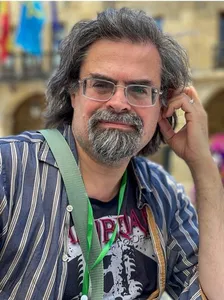
Adrian Tchaikovsky
2 books on Read & Recommend
Writing Style
Tchaikovsky studied zoology, and it shows — readers consistently point to his alien ecosystems and non-human perspectives as the thing that separates him from the rest of the genre. His signature move is taking something real and biological (spider cognition, octopus neurology, the social dynamics of ants) and extrapolating it into a civilization you're fully invested in by the time the book ends. That's not a trick most writers can pull off once, let alone across an entire series. The Reddit consensus is that Children of Time specifically changed how people think about the animals they'd been ignoring their whole lives — which is a strange thing to say about a sci-fi novel, and exactly why it works.
His range is genuinely unusual. The Children of Time trilogy gets described as literary sci-fi with real emotional weight. The Final Architecture trilogy gets described as a great romp — big stakes, British humor, Firefly-esque ensemble energy. Elder Race is a tight novella that plays its genre-blending premise as both a fantasy quest and a study in miscommunication. Service Model is a melancholy wander through the last ruins of humanity. These don't feel like books by the same author chasing the same formula. They feel like a writer who actually has things to say and keeps finding new ways to say them.
Where to Start
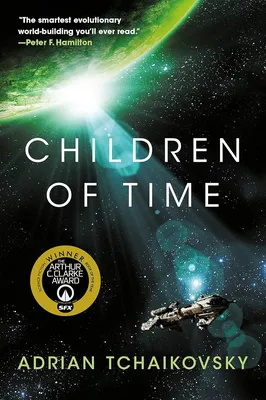
Children of Time is the obvious answer, and it earns the recommendation. Humans in a generation ship are looking for a new home after Earth collapses; meanwhile, a planet meant for uplifted primates has instead grown a civilization of intelligent spiders. The alternating structure — human desperation on one side, spider society evolving across millennia on the other — is the kind of structural gamble that either falls apart or becomes the entire reason you read the book. For most readers, it's the latter. If you get to the end and immediately want more, Children of Ruin and Children of Memory are right there.
If you want something shorter first, Elder Race is a good test case. It's a novella that tells the same events from two perspectives — one reads as a fantasy, one reads as hard sci-fi — and the gap between those two readings is the whole point. It's clever without being smug about it.
Similar Authors
Tchaikovsky gets mentioned in the same breath as Becky Chambers and Alastair Reynolds fairly often — Chambers for the character-focused warmth and alien ensemble casts, Reynolds for the harder science and grander scale. Kim Stanley Robinson comes up too when people are talking about big-ideas sci-fi that takes its subject matter seriously. The difference is that Tchaikovsky tends to move faster than any of them, which is part of why readers who bounce off slower literary sci-fi still find their way to him.