Book recommendations, reviews, and reading lists.


David Foster Wallace
1 book on Read & Recommend
Writing Style
David Foster Wallace wrote like no one else, and readers either lock in completely or bounce off hard. His sentences run long, his footnotes have footnotes, and his novels demand the kind of attention most people reserve for tax documents. But what keeps readers coming back is something underneath all that maximalist architecture: a genuine, almost desperate empathy. Wallace was obsessed with what it feels like to be a conscious human being stuck inside your own head, and his best writing makes that claustrophobia feel oddly freeing.
What impresses me most is how prophetic his cultural observations turned out to be. His 1996 predictions about video phones and vanity, shortened attention spans, and numbing ourselves with entertainment read less like fiction now and more like journalism. His nonfiction essays — particularly E Unibus Pluram and Consider the Lobster — are just as sharp as his novels, and considerably less time-consuming.
Where to Start
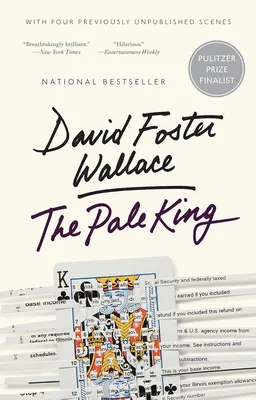
Do not start with Infinite Jest. I know that sounds counterintuitive, but the 1,000-page postmodern epic about addiction and entertainment is a commitment that has defeated plenty of willing readers. Instead, pick up his commencement speech This is Water — it is short, devastatingly honest, and it rewires the way you think about mundane daily life. Readers call it life-changing with unusual consistency. From there, Consider the Lobster (essays) gives you the full Wallace brain without the marathon page count. Once you are hooked, Infinite Jest rewards every ounce of effort. And The Pale King, his unfinished posthumous novel about IRS accountants and boredom, is quietly brilliant — some fans consider it his most beautiful writing.
Similar Authors
If Wallace clicks for you, Thomas Pynchon delivers a similar density and paranoid humor, especially in Gravity's Rainbow. Dostoevsky shares that unflinching psychological depth. Kurt Vonnegut offers the dark satirical worldview in a more accessible package. For something more contemporary, Mark Z. Danielewski's House of Leaves scratches the same obsessive, puzzle-box itch that Infinite Jest does. And Junot Diaz's short fiction carries a comparable raw energy, though in a completely different register.