Book recommendations, reviews, and reading lists.

Jean Hanff Korelitz
1 book on Read & Recommend
What Readers Say
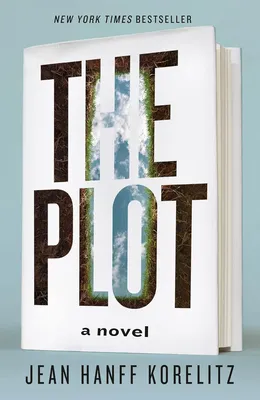
Korelitz has one book that readers keep coming back to: The Plot. It shows up on psychological thriller recommendation lists consistently, and the readers who mention it tend to describe a very specific experience — compulsively readable despite a creeping sense of irritation. One commenter put it well: they read it in one sitting while simultaneously feeling like they should have liked it more. That tension — between an elegant concept and a slightly unsatisfying execution — seems to be the defining reader experience. The "bristling literary insecurity and ambition" baked into the premise is what keeps people interested even when they can't fully articulate why.
Where to Start
The Plot is the obvious starting point and, for most readers, the only Korelitz title that comes up organically. It's a book about a failed writer who steals a dead student's story idea — meta, cynical, and propulsive enough that it works even when it's aggravating. If that premise sounds appealing, it delivers on it.
Reading Context
Korelitz sits comfortably in the same tier as Gillian Flynn and Donna Tartt on psychological thriller lists — authors where the writing is doing more work than a typical thriller and the plot mechanics feel more literary than genre. Readers who gravitate to The Plot tend to also be drawn to books with unreliable narrators and insider-world settings (publishing, academia, the arts). If you've already read Flynn and Tartt and want something with a similar cynical edge, she's a natural next recommendation.