Book recommendations, reviews, and reading lists.


José Saramago
1 book on Read & Recommend
Writing Style
Saramago writes in a way that takes some getting used to — long, flowing sentences, no chapter breaks, no named characters. That style isn't an affectation; it mirrors what he's doing thematically. In Blindness, the collapse of punctuation and individual identity tracks the collapse of society itself. Readers describe his prose as harrowing and unlike anything else, and that structural strangeness is exactly the point. Once you're inside it, it works.
His books operate as parables — he takes a single impossible premise and follows it to its logical, horrifying end. What if no one could see? What if no one could die? He's not interested in plot mechanics so much as what these scenarios reveal about power, complicity, and human decency under pressure.
Where to Start
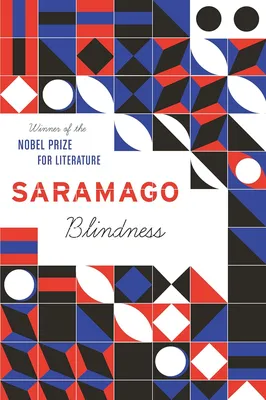
Blindness is the obvious entry point, and for good reason. An epidemic of white blindness sweeps through an unnamed city; the government quarantines the blind in an asylum; society disintegrates. It's the book I see recommended most often, and it works as an introduction to both his style and his preoccupations. Once you've read it, Seeing (the direct sequel) and Death with Interruptions — in which one day no one dies, and the consequences spiral out from there — are natural next reads.
If you want to ease into his sentence style before committing to something that dense, Death with Interruptions is arguably a bit lighter in tone while still being quintessentially Saramago.
Similar Authors
Readers who gravitate toward Saramago tend to also read Cormac McCarthy, Kazuo Ishiguro, and Margaret Atwood — authors who use literary fiction structures to explore civilizational collapse or moral extremity. George Orwell is the obvious ancestor for the parable format. For a similar European literary weight, László Krasznahorkai comes up in the same conversations.