Book recommendations, reviews, and reading lists.

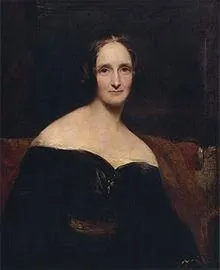
Mary Shelley
1 book on Read & Recommend
Writing Style
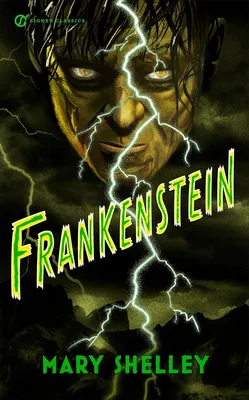
Mary Shelley doesn't write horror the way most people expect. Readers who come to Frankenstein anticipating a monster story find something far more layered — a philosophical novel about creation, responsibility, and what happens when we refuse to face what we've made. The prose is dense and deliberate in the way of early 19th-century literature, but it rewards close reading. Multiple readers describe rereading it over the years and finding completely different meaning each time — sometimes sympathizing with Victor, sometimes with the creature. One reader called it the most awe-inspiring book they'd ever read. Shelley drew heavily from a small personal library (notably Paradise Lost), and that deep familiarity with her source material shows in the richness of her allusions.
Where to Start
Start with Frankenstein — it's the obvious entry point and earns its reputation as a must-read classic. But don't stop there. The Last Man is Shelley's overlooked masterpiece, a post-apocalyptic plague novel that features airships, something resembling the internet, and global warfare — written in 1826. Readers who discover it are genuinely stunned that it isn't more widely known, and it's frequently mentioned in threads about great books nobody has heard of. If you only know Shelley from Frankenstein, The Last Man will completely reshape your understanding of what she was doing as a writer.
Similar Authors
Readers consistently place Shelley alongside Jules Verne and H.G. Wells as a founder of science fiction. She also comes up in Gothic and horror conversations alongside Bram Stoker — though readers who've read both tend to strongly prefer Frankenstein over Dracula. Stephen King's Revival draws openly from both Lovecraft and Shelley. For readers who appreciate Shelley's literary ambition and Gothic sensibility, Shirley Jackson, Charlotte Bronte, and Octavia Butler are frequent companion recommendations.