Book recommendations, reviews, and reading lists.


Patricia Highsmith
1 book on Read & Recommend
What Readers Say
When I read what Reddit has to say about Patricia Highsmith, one thing comes up again and again: she is the master of writing terrible people. As one reader put it, "Patricia has a great talent for writing terrible people." Her characters aren't just flawed—they're morally rotten, and that's exactly what draws people in. Readers consistently describe her work as the perfect fit for "moral rot disguised as intellect and class," and I see her psychological thrillers held up as the gold standard for those tired of disappointing reads in the genre. The praise is specific: her books are "actually good" thrillers, the kind that deliver on their promise without feeling like they were written by someone who learned storytelling from a Tumblr post. There's a sense that she writes with a sophistication that many modern thriller authors lack.
The criticism I notice is subtle but telling. Some readers point out that her protagonists aren't necessarily sympathetic—Tom Ripley isn't upper class, and that's the point. He's an outsider infiltrating a world of dilettantes, and the moral complexity can make for an uncomfortable read. But for most of her fans, that discomfort is precisely the appeal. Her books aren't comfort reads; they're explorations of corruption, identity, and the dark spaces people inhabit.
Where to Start
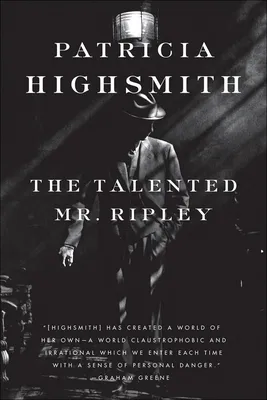
The overwhelming consensus points to The Talented Mr. Ripley as the entry point. It's the book that comes up in almost every discussion, whether someone is looking for psychological thrillers, summer-in-Italy vibes, or a "corruption arc." If you want a story about a charming sociopath who will do anything to maintain a life of luxury and class, this is it. It's also been adapted into a 1999 film starring Jude Law, which many readers reference as a visual touchstone—so you can watch it after reading and see Tom Ripley's world come to life.
If you prefer something darker and more tightly focused on psychological manipulation, I'd point you toward Strangers on a Train. One reader specifically noted that while Ripley is the more famous corruption story, Strangers is actually a "way better fit" for that specific request. It's a classic for a reason—two strangers meet, one suggests they swap murders, and everything unravels from there. For readers who want something different entirely, The Price of Salt (also published as Carol) shows Highsmith's range: it's a sapphic romance with minimal sexual content but plenty of emotional depth, recommended alongside works by Sarah Waters and Jeanette Winterson.
Reading Context
Highsmith sits at the intersection of psychological thriller and literary fiction, and I see her name come up alongside some serious company. Readers compare her to Daphne du Maurier (especially Rebecca), Gillian Flynn, and Donna Tartt—authors who write dark, psychologically complex stories that don't sacrifice literary quality for plot twists. She's also mentioned in the same breath as Michael Crichton and Stephen King's Misery for readers looking for "modern classics" in the thriller space.
Her cultural footprint is enormous. The Talented Mr. Ripley has been adapted into multiple films, and I notice readers frequently reference the 1999 version with Jude Law and Matt Damon. More recently, the film Saltburn has been described as "very Talented Mr. Ripley coded," showing how Highsmith's influence continues to ripple through pop culture. Her work is also frequently listed among "must-read" classics alongside authors like Agatha Christie and Raymond Chandler, cementing her place as a foundational voice in psychological suspense.