Book recommendations, reviews, and reading lists.

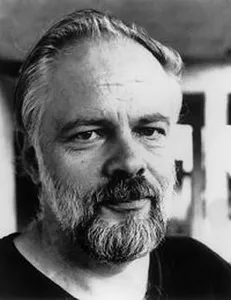
Philip K. Dick
1 book on Read & Recommend
Writing Style
Philip K. Dick is the kind of writer who crawls inside your head and rearranges the furniture. His novels are built on paranoia, fractured realities, and questions about what it even means to be human. The prose itself is not flashy -- Dick wrote fast and it shows -- but that raw, almost breathless quality works in his favor. His stories move at the speed of a crumbling mind. Readers consistently describe his books as "cerebral" and "mind-bending," the kind that leave you questioning reality for days after you put them down. He is often compared to a great dreamer who struggles with endings, and that's fair. Dick's novels don't always land the conclusion, but the journey is so disorienting that it barely matters.
His short stories also deserve attention. Many of his best ideas -- Minority Report, Paycheck, Second Variety -- started as short fiction, and some readers argue the compressed format actually suits his restless imagination better.
Where to Start
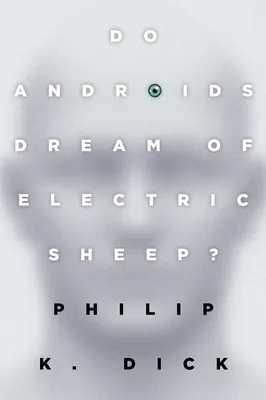
Do Androids Dream of Electric Sheep? is the consensus entry point, and for good reason -- it's accessible, emotionally resonant, and raises the empathy-vs-artificiality questions that define his work. From there, Ubik is the fan favorite for pure reality-warping weirdness, a book readers describe as criminally underappreciated. A Scanner Darkly is the pick if you want something more grounded and devastating -- a portrait of addiction and identity erosion that hits uncomfortably close to home. For deeper cuts, The Man in the High Castle, Flow My Tears, the Policeman Said, and The Three Stigmata of Palmer Eldritch all have devoted followings. And if you want to go full PKD rabbit hole, VALIS will genuinely mess with your worldview.
Similar Authors
Readers frequently shelve Dick alongside William Gibson, Stanislaw Lem, J.G. Ballard, and Ursula K. Le Guin -- writers who prioritize ideas over spectacle. Lem's Solaris is a natural companion for the reality-questioning. Gibson's cyberpunk owes a clear debt to Dick's proto-cyberpunk work. Stephen King gets compared as another prolific dreamer whose endings don't always match the brilliance of the premise.