Book recommendations, reviews, and reading lists.

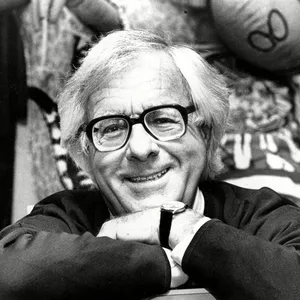
Ray Bradbury
2 books on Read & Recommend
Writing Style
Readers describe Ray Bradbury's prose as lyrical and poetic in a way that's rare for genre fiction. Fans consistently call his writing "beautiful" and "descriptive," with one reader noting that Something Wicked This Way Comes "felt like a poem even though it was an entire book." Multiple readers say his work makes them slow down and savor the language. There's a strong consensus that Bradbury was an author visibly in love with writing itself.
His tone blends wonder with darkness. Even his most unsettling stories carry a tenderness, and readers frequently mention the melancholy that runs through his work. His short stories hit particularly hard -- "There Will Come Soft Rains," "The Veldt," and "All Summer in a Day" are the kind readers think about years or decades later. Several people describe his horror as dark whimsy rather than visceral scares, comparing the vibe to Studio Ghibli but with an American gothic edge.
Where to Start
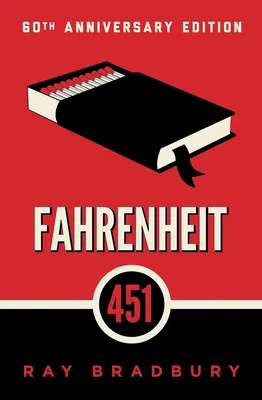
Fahrenheit 451 is the default entry point and his most widely recommended novel, frequently grouped alongside 1984 and Brave New World as essential dystopian reading. It's short, punchy, and has one of the most iconic opening lines in fiction.
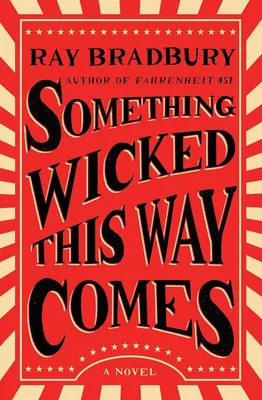
For something more atmospheric, readers overwhelmingly point to Something Wicked This Way Comes -- a dark carnival story that fans re-read every October. The Martian Chronicles is the go-to for sci-fi readers, often described as a "fix-up novel" of interconnected stories about Mars colonization. Dandelion Wine, his semi-autobiographical novel about a Depression-era childhood, is a favorite among readers who love his prose at its most nostalgic.
If you'd rather sample his range first, The Illustrated Man is the most recommended short story collection.
Similar Authors
Readers most often place Bradbury alongside George Orwell, Aldous Huxley, and Philip K. Dick. His short fiction draws comparisons to Shirley Jackson and Ted Chiang. For readers who love his blend of wonder and darkness, Neil Gaiman and Octavia Butler come up as modern counterparts, while Kurt Vonnegut and Arthur C. Clarke share shelf space in the broader classic sci-fi canon.