Book recommendations, reviews, and reading lists.

Robert James Waller
1 book on Read & Recommend
What Readers Say
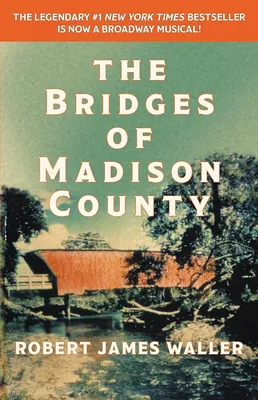
Robert James Waller earns his place on best love stories lists almost by reflex — The Bridges of Madison County is one of those titles that readers either hold close or dismiss, but rarely forget. When I see it come up alongside Jane Austen, Daphne du Maurier, and Leo Tolstoy, that's telling. It's not company you land in by accident. Readers who recommend it tend to do so with a specific kind of conviction, the kind that says the book got to them in a way they didn't expect.
The knock on Waller is usually the prose — spare to the point of feeling thin to some readers, luminous to others. But the emotional core of Bridges keeps pulling people back. It's a short book that asks a big question about the life you chose versus the one you didn't, and for readers in the right moment, that question lands hard.
Where to Start
The Bridges of Madison County is the obvious entry point, and there's no reason to argue with it. It's short, it moves fast, and it either works on you or it doesn't — you'll know quickly. Waller's other work hasn't generated the same staying power in reader conversations, so Bridges is effectively the whole argument for reading him.
If you're coming to it skeptical because the cultural moment around it felt like hype, I'd say give it the hour or two it actually takes. Strip away the movie, the reputation, the grocery-store-novel associations. The book itself is quieter and stranger than its reputation suggests.
Reading Context
Waller fits into a tradition of American romantic fiction that values emotional directness over literary complexity — he belongs on the same shelf as Nicholas Sparks in terms of the feelings he's reaching for, but Bridges has a melancholy restraint that sets it apart from that genre's more sentimental end. Readers who list it alongside Colleen McCullough and Diana Gabaldon are pointing at something real: a taste for love stories with weight, where the feeling costs something.
The book was adapted into a well-regarded film, and that adaptation lives so large in the culture that it's genuinely hard to separate the two. For most readers, they exist as a single cultural object. That's unusual, and it's part of why the book still gets recommended decades later — it became something bigger than itself.