Book recommendations, reviews, and reading lists.

Rohinton Mistry
1 book on Read & Recommend
What Readers Say
Rohinton Mistry is one of those authors people don't discover until someone essentially forces the book into their hands — and then they spend years doing exactly that to everyone they know. The word that comes up constantly is "devastating." Not in the hyperbolic way readers use it about thrillers, but in the way people describe an experience that genuinely changed them. Readers describe finishing A Fine Balance and standing paralyzed, weeping, or needing to physically leave the room. One person said it made them "a better human." Another mentioned re-reading it at least four times despite — or because of — how thoroughly it undoes them each time.
What sets Mistry apart from other emotionally heavy writers is that the devastation isn't manufactured. The prose doesn't call attention to itself; readers often only notice how beautiful the writing is when they're reflecting on the book afterward, not while they're in the grip of it. The subject matter — poverty, caste, survival in India — is rendered with complete lucidity, and it's that unflinching clarity, not sentimentality, that makes the book land so hard.
The comparisons to A Little Life come up repeatedly, and the consensus is consistent: A Fine Balance hits harder. Readers who thought nothing could top Yanagihara's novel in terms of emotional wreckage find themselves revising that assessment.
Where to Start
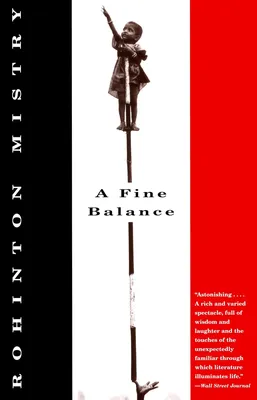
Start with A Fine Balance. There's no debate about this among readers — it's the book that defines Mistry's reputation and the one that keeps appearing in threads asking for masterpieces, heartbreakers, and books that matter. It's been grouped alongside East of Eden as an answer to "most beautiful book you've ever read," which tells you something about the scope of what it's doing.
It's a long novel set during a turbulent period in India's history, and it earns every page. Don't start it when you need to feel okay afterward — give yourself permission to be undone by it.
Reading Context
Mistry's name comes up in specific kinds of threads: books that wrecked you, books you'd re-read despite the pain, books that feel like genuine literature rather than entertainment. That positioning tells you what you're getting into. This isn't comfort reading. It's the kind of reading that expands what you understand about other people's lives.
Readers who loved A Little Life by Hanya Yanagihara often find A Fine Balance recommended as the next step — more grounded in historical reality, equally relentless in its emotional demands. It also gets paired with The Poisonwood Bible by Barbara Kingsolver in discussions of books that feel like masterpieces — both are ambitious, character-driven, and set against major historical upheavals.