Book recommendations, reviews, and reading lists.

Ruthanna Emrys
1 book on Read & Recommend
What Readers Say
Among the readers I track, Ruthanna Emrys comes up almost entirely on the strength of A Half-Built Garden, and the description that recurs is telling: she's framed as a literary descendant of Ursula K. Le Guin. What people respond to is her tone — thoughtful, quietly hopeful science fiction where the tension comes from diplomacy, competing visions of how to organize a society, and the hard work of understanding rather than from combat. One reader placed A Half-Built Garden as having a "very similar feel to Childhood's End but from a different premise," and others recommend it specifically for its blend of working-with-nature problem-solving and genuine first contact. The throughline is warmth: Emrys writes futures worth building toward.
Where to Start
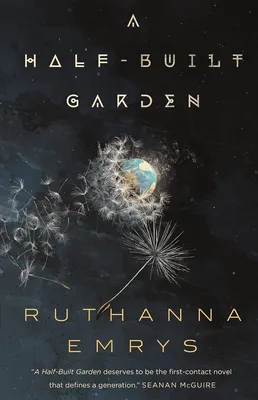
A Half-Built Garden is the clear entry point — it's the book readers consistently name, a first-contact novel about climate repair, alien diplomacy, and whether humanity should accept being "rescued" off a damaged Earth. Start there if you want hopeful, idea-driven SF in the Le Guin tradition. Emrys has also written Lovecraftian fiction in her Innsmouth Legacy series (beginning with Winter Tide), which reimagines Lovecraft's mythos from the perspective of the people he demonized — a very different mode, worth knowing about if the reader wants to explore beyond her science fiction.
Reading Context
Readers place Emrys firmly in the hopeful, humane lineage of Ursula K. Le Guin, and A Half-Built Garden sits comfortably alongside Becky Chambers and other solarpunk/hopepunk science fiction. It's most often recommended as a contemporary, optimistic response to the big-idea first-contact tradition — the modern counterpart to Clarke's Childhood's End for readers who want the scale without the despair.