Book recommendations, reviews, and reading lists.

William Peter Blatty
1 book on Read & Recommend
Writing Style
Blatty writes horror that works on you intellectually first, then emotionally, then physically. The Exorcist is less about shock than about a slow, creeping crisis of faith — you're never fully certain whether what you're reading is supernatural or a manifestation of human brokenness, and that ambiguity is what makes it stick. Readers consistently describe it as a book that got inside their head in ways the movie never could: one person couldn't sleep in the same room with it, another found themselves paranoid about ordinary things like moved furniture. That kind of residual dread — the kind that bleeds into your daily life — is what separates Blatty from straight-ahead gore writers.
The writing itself is sharp and grounded. The dialogue sounds like real people. The horror doesn't rely on atmosphere alone; it earns its terror through specific, credible detail. Seasoned horror readers who feel underwhelmed by most of the genre keep recommending it as one of the few that still lands.
Where to Start
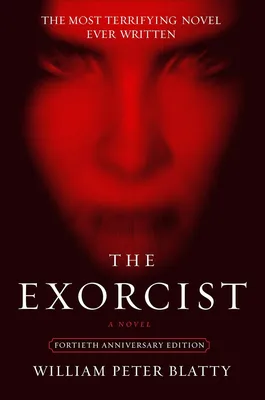
The Exorcist is the only real starting point. It's the book Blatty is known for and the one readers return to when recommending genuinely terrifying fiction. Don't come to it expecting the movie — the book is a different experience, more interior and more ambiguous. It rewards patient readers who want horror that respects them enough to leave some things unresolved. If you bounced off the film's theatrics, I'd still give the novel a shot.
Similar Authors
Readers who recommend Blatty tend to come from threads asking for horror that goes beyond genre thrills — the same threads that surface Ira Levin, Shirley Jackson, and Stephen King. Ira Levin in particular shares that controlled, precise prose style and the domestic-dread register. Shirley Jackson for psychological ambiguity. If you want the religious-horror lane specifically, readers also point toward Graham Masterton and, for a more literary take, Flannery O'Connor.