Book recommendations, reviews, and reading lists.

11 Essential Horror Books Everyone Should Read
2026-03-18 · Written by Josh
Horror Is Required Reading
Horror is the most underrated genre in literature, and I'm tired of pretending otherwise. While literary fiction gets the awards and thrillers get the airport displays, horror is quietly doing what the best fiction has always done: forcing us to confront the things we'd rather not think about. Grief. Isolation. The terrible fragility of the people we love. If you think horror is just gore and cheap scares, you haven't been reading the right books.
These 11 novels are my case for horror as essential literature. Some are classics you've probably been meaning to get to. Others might surprise you. But every one of them does something that no other genre pulls off as well — it takes an abstract human fear, gives it a face, and makes you sit with it until you understand something new about yourself.
These might not be the "best of all time," but they are the list I'd hand to anyone who says they don't read horror. Start anywhere. Just start.
1. The Haunting of Hill House by Shirley Jackson
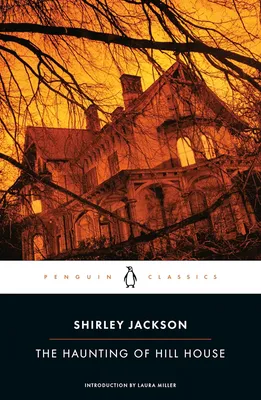
This is the book that taught me that the scariest thing in the world isn't a ghost; it's your own unraveling mind. Jackson doesn't give you jump scares or gory monsters; she gives you a house that feels like it's breathing, a place where the architecture itself seems to conspire against you. The "ghost bunny" scene alone is enough to make you check the corners of your room for days, but it's the slow, suffocating descent of the characters into madness that keeps you up at night. It's subtle, psychological, and absolutely devastating in a way that feels more real than any zombie apocalypse.
Who it's for: Readers who want to be psychologically dismantled rather than physically threatened.
2. Pet Sematary by Stephen King
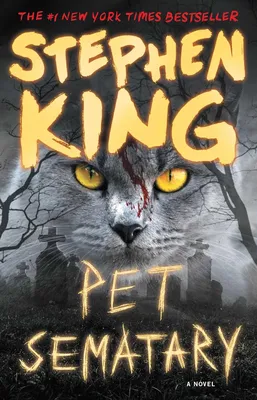
Let's be real: Stephen King writes a lot of books, but Pet Sematary is the one that actually haunts you. It's a brutal, unflinching look at grief and the terrible, selfish lengths we'll go to just to avoid losing someone we love. It starts with a cat, which feels manageable, but then it spirals into a nightmare about the cost of cheating death that will make your skin crawl in ways you didn't think were possible. It's the book I recommend to people who think they've read enough King, because this one cuts deeper than the rest.
Who it's for: Anyone who has ever lost someone and needs to feel the terrifying weight of "what if I could bring them back?"
3. Frankenstein by Mary Shelley
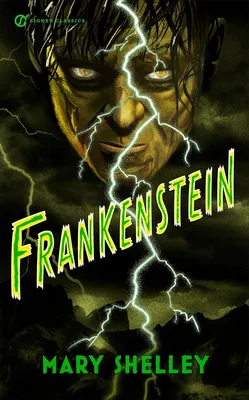
Stop thinking about the green guy with the bolts in his neck and start reading the actual book, because it is a completely different, infinitely better experience. This isn't just a monster story; it's a tragic, philosophical masterpiece about the responsibility of creators and the cruelty of abandonment. The monster isn't just a beast; he's a tragic figure, articulate and heartbroken, and watching Victor Frankenstein's ego destroy everyone around him is more terrifying than any creature he could have built. It's the original story of playing god and getting chewed up for your trouble.
Who it's for: People who think they hate classics but actually just need to read the right one.
4. 'Salem's Lot by Stephen King
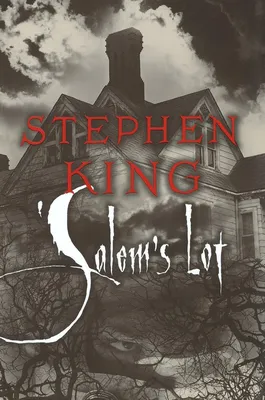
This is the ultimate small-town horror movie, but in book form, where the atmosphere is so thick you can taste it. King takes a sleepy, idyllic New England town and slowly drains the life out of it, turning the local diner and the main street into a graveyard. It's a slow burn that builds tension with every passing chapter, and the way the vampires infiltrate the community feels like a slow, inevitable infection.
Who it's for: Fans of atmospheric dread who love watching a community slowly rot from the inside out.
5. Something Wicked This Way Comes by Ray Bradbury
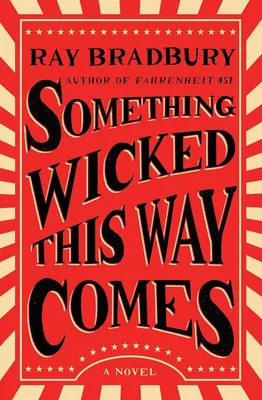
If you think Ray Bradbury is just for kids, you haven't read this book, and you're missing out on a masterclass in melancholy and dark whimsy. It's a story about a carnival that arrives in town, promising everything you ever wanted, but the price is your soul. The antagonist, Mr. Dark, is one of the creepiest villains in fiction, and the whole thing feels like a fever dream of childhood fears and the loss of innocence. It's tender, exciting, and somehow manages to be heartbreaking while making you terrified of the dark.
Who it's for: Readers who want a horror story that feels like a bittersweet fairy tale gone wrong.
6. The Exorcist by William Peter Blatty
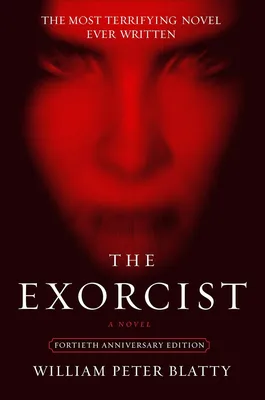
Forget the movie; the book is a much more intelligent, ambiguous, and deeply unsettling meditation on faith and the human mind. Blatty delivers a crisis of faith that feels incredibly real, leaving you wondering if the evil is supernatural or just a manifestation of human brokenness. The writing is sharp, the dialogue natural, and the "cobra scene" is visceral and should be illegal to read in public. It's intellectual horror that respects your brain while scaring the hell out of you.
Who it's for: People who want horror that challenges their worldview as much as it scares them.
7. Dracula by Bram Stoker
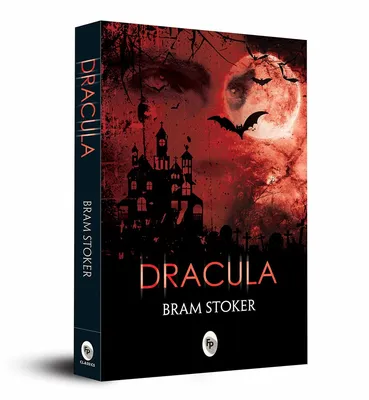
Yes, it's a slog, and yes, the pacing can feel like wading through molasses, but you need to read this to understand the foundation of the vampire mythos. The epistolary format—told through letters and diaries—makes it feel incredibly intimate and real, especially the sections from Mina Harker's perspective. It's a story about invasion, disease, and the fear of the "other," wrapped in a Gothic package that still holds up a century later. If you can push through the repetition, you'll find a story that is far more complex and disturbing than the campy versions we see in movies.
Who it's for: The patient reader who wants to see where it all began and enjoys a slow-burn mystery.
8. The Shining by Stephen King
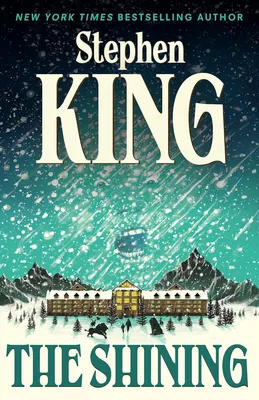
I know, I know, another King, but you can't talk about essential horror without the Overlook Hotel. This is the book that defines isolation; it's about a man slowly losing his mind while trapped in a frozen hell with his family. The hotel is a living, breathing entity that feeds on the protagonist's worst impulses. The writing is immersive, you can feel the cold seeping into your bones and hear the typewriter keys clicking in the dark. It's a masterclass in building tension until it snaps.
Who it's for: Anyone who has ever felt trapped in a job or a relationship and wondered if they were going crazy.
9. The Stand by Stephen King
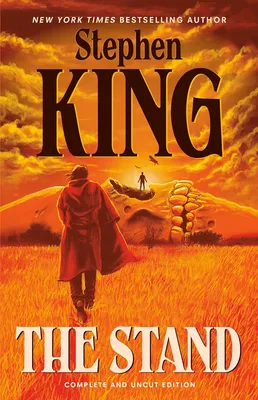
This is the apocalypse, but not the kind you see in the movies with explosions and fire. It's a quiet end of the world where the sun still rises, but the people are gone, and the survivors are left to fight each other and the devil. It's a massive, sprawling epic that feels like a modern mythology, with characters so well-drawn that you feel like you've known them for years. It's a story about the end of everything, but also about the tiny, stubborn sparks of hope that keep us going when the world falls apart.
Who it's for: Readers who want an epic, character-driven story that feels like a modern bible of the apocalypse.
10. Rosemary's Baby by Ira Levin
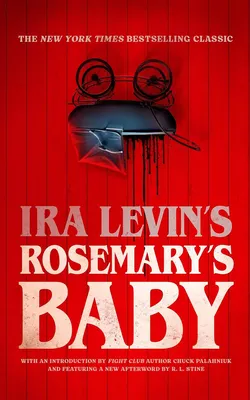
This is the ultimate story of gaslighting, paranoia, and the terrifying loss of control over your own body. Levin creates a claustrophobic atmosphere where the protagonist, Rosemary, is slowly isolated by her neighbors and her husband, and you spend the whole book wondering if she's actually crazy or if something truly evil is happening. It's a slow-burn psychological thriller that builds to a climax so shocking it will leave you reeling. It's the book that made me realize that the scariest monsters are often the ones sitting across the dinner table from you.
Who it's for: People who love psychological thrillers and want to feel the creeping dread of paranoia.
11. The Chrysalids by John Wyndham
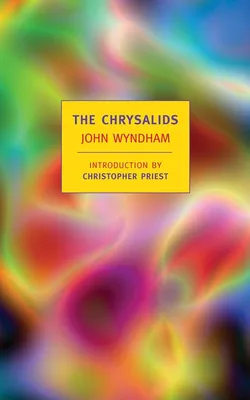
This is a sci-fi horror classic that's more relevant than ever, a story about a post-apocalyptic society that enforces "perfection" and punishes anyone who is different. The horror comes from the terrifying reality of conformity and the cruelty of a society that defines human worth by physical appearance. It's a heartbreaking, chilling look at how quickly fear can turn into hatred, and how easily we can become the monsters we fear. It's a book that will make you question the world you live in and the rules we accept without thinking.
Who it's for: Readers who want a horror story that feels like a warning about the future.
Where to Start
If you've never read horror, pick up The Haunting of Hill House. It's short, it's devastating, and it will permanently rewire how you think about what a "scary story" can do. If you already love the genre and somehow missed Pet Sematary or Rosemary's Baby, those two hit harder than almost anything published in the last decade.
The through line on this list is simple: every one of these books is about something real. Grief, faith, conformity, the cost of ambition, the terror of losing control over your own mind or body. The monsters are just the delivery mechanism. What makes horror essential pulls from inside use we don't want to examine.
Continue Reading
15 Books About the Quiet Crisis of Being an Adult
These are books about the quiet, desperate sadness that most adults carry around but rarely talk about, and how it might, maybe, be okay.
12 Books Like Project Hail Mary
The Project Hail Mary movie is here, Ryan Gosling nailed Rocky, and now you need something to fill the void. These 12 books have the same problem-solving energy, unlikely friendships, and stubborn optimism that made Andy Weir's novel impossible to put down.