Book recommendations, reviews, and reading lists.

15 Dystopian Books That Aren't About Teenagers Saving the World
2026-03-18 · Written by Josh
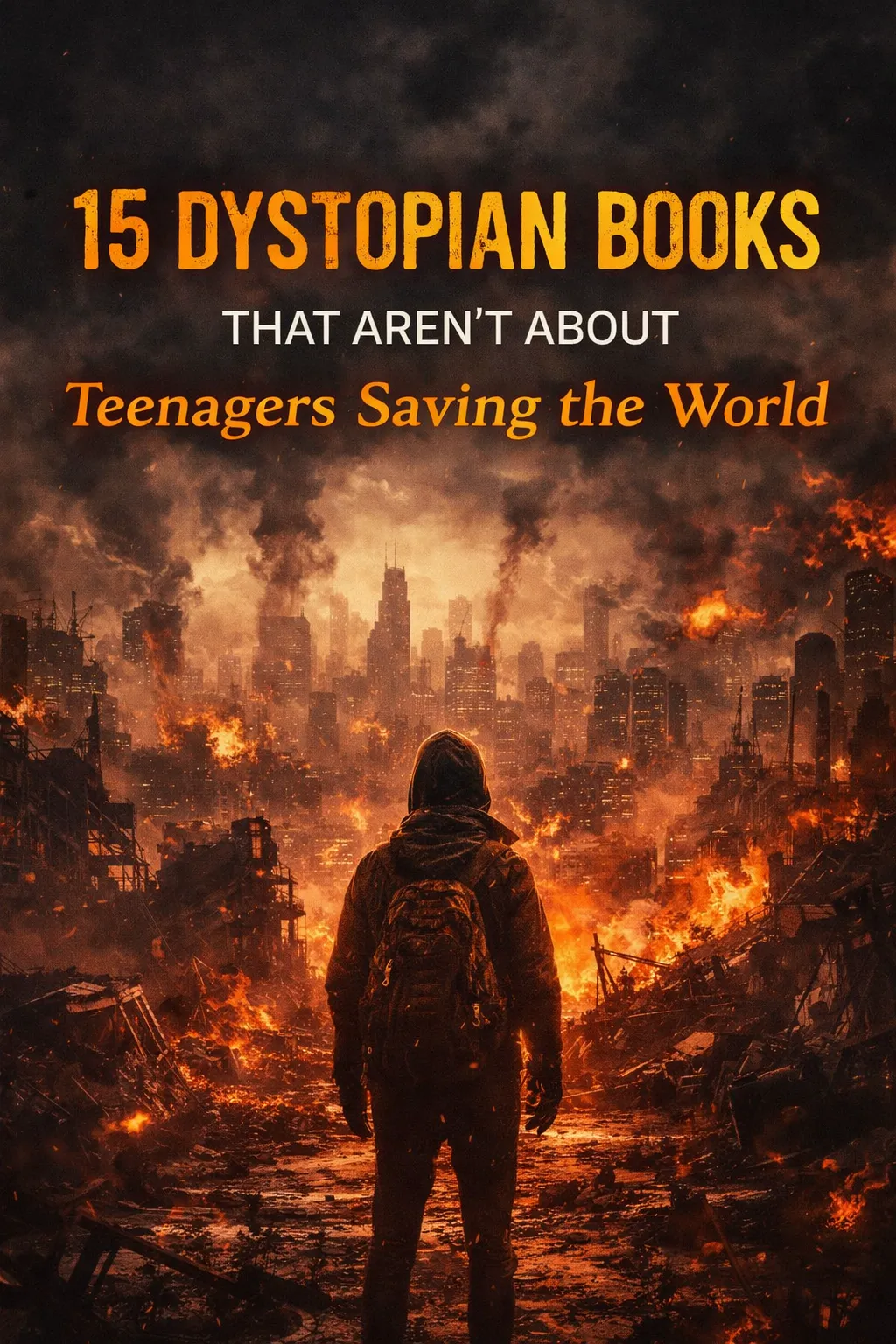
Where Are All the Adults?
I love The Hunger Games. I enjoyed Divergent. But at some point I looked at my dystopian fiction shelf and realized that every book on it was about a teenager discovering they're special and leading a revolution. That's a great story — the first three times. After that, I wanted to read about the future from the perspective of someone who pays rent.
If you've hit the same wall, this list is for you. Every book here imagines a dark future through adult eyes — people dealing with systems they can't easily overthrow, making compromises they hate, and surviving in worlds that don't care if they're the chosen one.
1. Wool by Hugh Howey
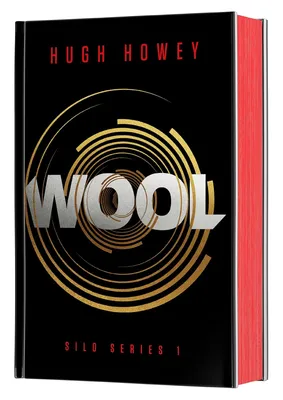
Thousands of people live in an underground silo. Nobody remembers why. The outside world is toxic. Anyone who asks too many questions about what's up there gets sent to clean the sensors — a death sentence disguised as a chore. Howey builds the mystery slowly and the reveal is worth it. There's a full trilogy (Silo series), and the first book is the best, but they're all solid.
Who it's for: Readers who want a mystery box dystopia with a blue-collar protagonist.
2. Station Eleven by Emily St. John Mandel
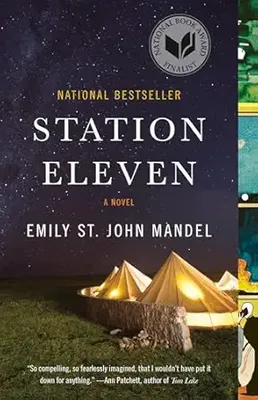
A flu pandemic kills 99% of humanity. Twenty years later, a traveling Shakespeare troupe performs for scattered settlements in the Great Lakes region. Mandel isn't interested in how the world ended — she's interested in what's worth preserving after. The writing is gorgeous, the structure is elegant, and it earns its optimism honestly.
Who it's for: Readers who want post-apocalyptic fiction that's more beautiful than bleak.
3. Oryx and Crake by Margaret Atwood
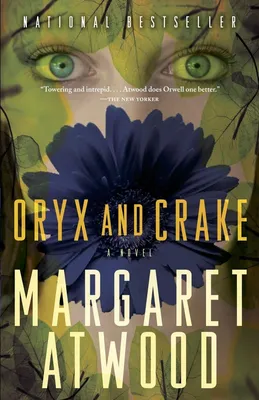
Snowman may be the last human alive, living in the ruins of a genetically engineered future. Through flashbacks, we learn how his brilliant friend Crake and the mysterious Oryx brought civilization down. Atwood's worldbuilding is terrifyingly plausible — every dystopian element is an extrapolation of something that already exists. The MaddAddam trilogy that follows is equally strong.
Who it's for: Readers who want dystopia grounded in corporate biotechnology and human stupidity.
4. The Road by Cormac McCarthy
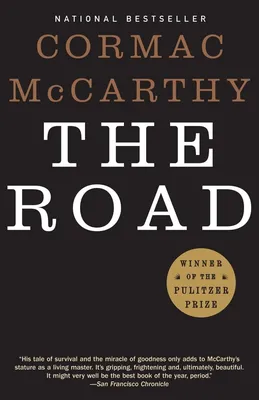
A father and son walk south through a burned, ash-covered America. McCarthy's prose is spare and biblical. Every encounter with other survivors is a life-or-death negotiation. It's the most stripped-down dystopian novel ever written — no explanation for the disaster, no government to overthrow, just two people trying to keep each other alive in a world that's functionally over.
Who it's for: Readers who want dystopia at its most raw and literary.
5. 1984 by George Orwell
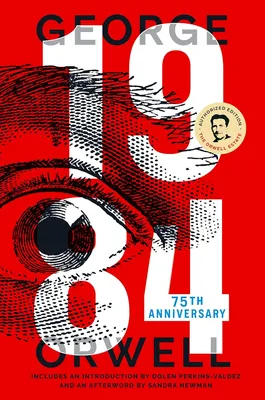
Still the benchmark. Winston Smith lives under total surveillance in a society that rewrites history in real time. Orwell didn't just imagine a dystopia — he created a vocabulary for discussing totalitarianism that we still use. "Big Brother," "doublethink," "thoughtcrime" — these aren't just novel concepts, they're diagnostic tools. If you haven't read it since high school, read it again. It hits differently now.
Who it's for: Everyone. But especially anyone who thinks dystopian fiction started with YA.
6. Brave New World by Aldous Huxley
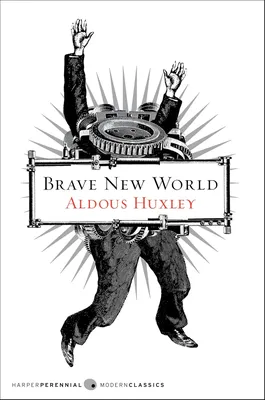
The anti-1984. Where Orwell imagined control through fear, Huxley imagined control through pleasure — genetic engineering, conditioning, and a drug called soma that keeps everyone happy and compliant. Reading it today, Huxley's vision feels more prescient than Orwell's. We weren't oppressed into submission. We were entertained into it.
Who it's for: Readers who find the idea of a comfortable dystopia scarier than a brutal one.
7. The Handmaid's Tale by Margaret Atwood
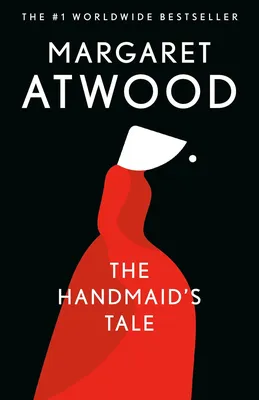
A theocratic regime has overthrown the U.S. government and reduced women to their biological functions. Offred is a Handmaid — her only purpose is reproduction. Atwood built every element of Gilead from historical precedent. Nothing in this novel was invented. That's what makes it so terrifying. The Hulu series is good, but the novel is tighter and more devastating.
Who it's for: Readers who want dystopia that feels like a warning, not a fantasy.
8. Never Let Me Go by Kazuo Ishiguro
Students at a seemingly idyllic English boarding school gradually realize the terrible truth about why they exist. Ishiguro tells this story so quietly and gently that the horror creeps up on you — by the time you fully understand what's happening, you're already heartbroken. It's dystopian fiction that never raises its voice, and it's devastating.
Who it's for: Readers who want dystopia told as a quiet, literary English novel.
9. The Children of Men by P.D. James
Humanity has become infertile. No child has been born in over twenty-five years. Civilization is slowly winding down — not with a bang, but with the resigned exhaustion of a species that knows it's the last generation. James — better known for her mystery novels — writes a dystopia rooted not in tyranny but in despair. The film is excellent; the novel is more contemplative and chilling.
Who it's for: Readers who want a dystopia built on the quietest possible catastrophe.
10. Red Rising by Pierce Brown
Darrow, a miner on Mars, discovers that the society he lives in has been built on an elaborate lie. He infiltrates the ruling class to destroy it from within. Yes, Darrow is young — but this reads like adult fiction. The politics are complex, the violence is brutal, and Brown doesn't shy away from moral compromise. Think The Hunger Games grown up and given sharper teeth.
Who it's for: Readers who want YA-style dystopia with adult consequences.
11. Fahrenheit 451 by Ray Bradbury
Firemen burn books. Guy Montag is a fireman who starts reading. Bradbury wrote this in nine days on a library typewriter, and it has the feverish energy of something that needed to exist. It's short, fierce, and eerily prescient about screens replacing reading. The wall-sized TVs Bradbury imagined in 1953 are just flat-screens with streaming services.
Who it's for: Readers who want a classic dystopia that reads like it was written last year.
12. The Dispossessed by Ursula K. Le Guin
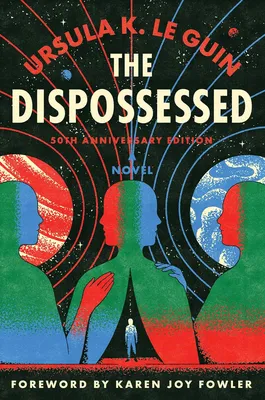
A physicist from an anarchist moon colony visits the wealthy, capitalist planet it orbits. Le Guin uses alternating timelines to compare two deeply flawed societies — neither is a utopia, neither is purely a dystopia, and the protagonist's journey between them reveals the compromises inherent in any social system. It's politically sophisticated in a way most dystopian fiction doesn't attempt.
Who it's for: Readers who want dystopia that's actually about political philosophy, not just oppression.
13. Parable of the Sower by Octavia Butler
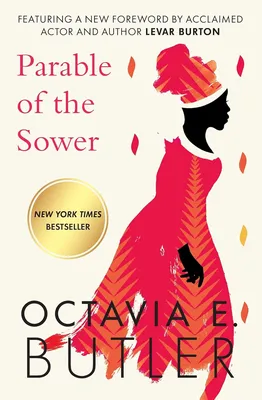
- Climate change has collapsed California. Gated communities are islands of relative safety in a landscape of drought, fire, and desperate violence. Lauren Olamina, a young woman with hyperempathy syndrome, begins building a new belief system from the ashes. Butler wrote this in 1993 and the accuracy is unnerving. Lauren is one of the most compelling protagonists in science fiction — pragmatic, visionary, and unbreakable.
Who it's for: Readers who want dystopia that feels like tomorrow.
14. The Power by Naomi Alderman
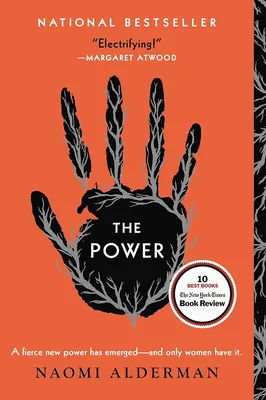
Women develop the ability to generate electrical shocks. The global power balance shifts overnight. Alderman doesn't write a feminist utopia — she writes a world where the gender that has power behaves exactly the way you'd expect any group with unchecked power to behave. It's a thought experiment with teeth, and it's uncomfortable for everyone in exactly the right way.
Who it's for: Readers who want dystopia that interrogates power itself, not just who holds it.
15. Blindness by José Saramago
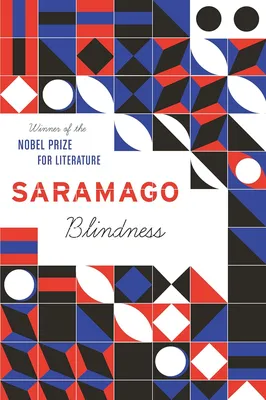
An epidemic of white blindness sweeps through an unnamed city. The government quarantines the blind in an asylum. Society disintegrates. One woman can still see. Saramago writes without chapter breaks or named characters, in long flowing sentences that mirror the loss of structure in the world he's describing. It's harrowing, brilliant, and unlike anything else on this list.
Who it's for: Readers who want dystopia told through literary fiction that breaks every conventional rule.
The Adult Dystopia Difference
YA dystopias tend to end with revolution. Adult dystopias tend to end with compromise, survival, or the quiet realization that the system might be too big to fight. That doesn't make them pessimistic — it makes them honest. These books don't promise that one special person can fix everything. They ask harder questions: How do you stay human when the world stops making it easy?
That's a question worth reading about.
Continue Reading
Romance Books for Men (No Love Triangles, No Drama)
Romance recommendations for guys (and anyone else) who want a good love story without cheating, love triangles, or over-the-top drama. Just two real people figuring it out.
12 Books Like James by Percival Everett
If James by Percival Everett left you wanting more, these books deliver the same brilliance — reimagined classics, radical perspectives, and prose that doesn't let go.