Book recommendations, reviews, and reading lists.

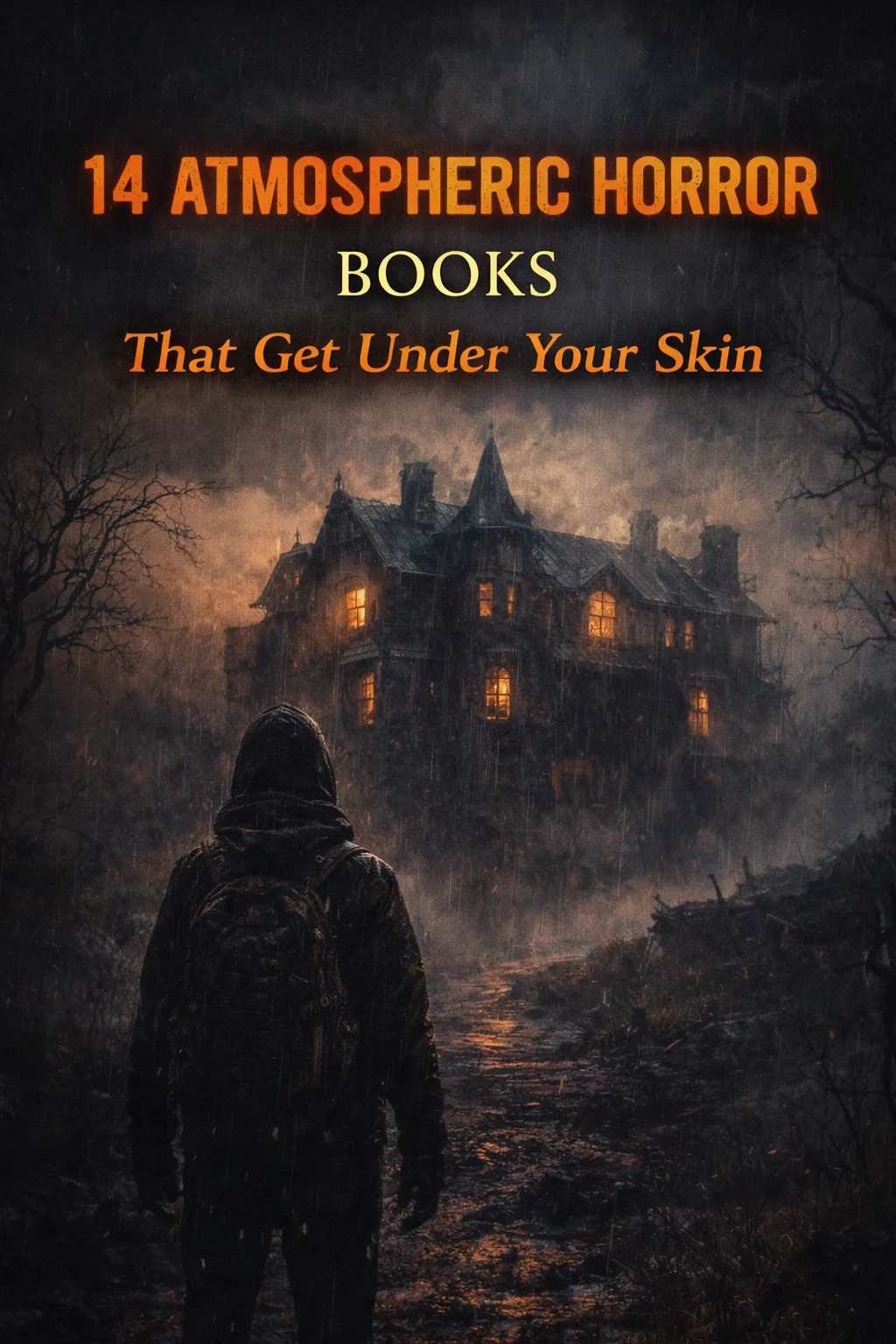
14 Atmospheric Horror Books That Get Under Your Skin
2026-03-18 · Written by Josh
The Horror That Doesn't Need to Scream
There's a specific kind of horror that sits in the corner of the room. It waits. You notice something is wrong on page three, and by page two hundred you haven't been able to shake the feeling that the walls are slightly closer together than they were when you started reading. That's atmospheric horror, and when it's done right, nothing else in the genre touches it.
I'm not talking about slow books. I'm talking about books that are doing something to you while you read them. The pacing is deliberate because the dread needs time to settle into your bones. These are stories where the closet door has been open the entire time and you just now realized something is looking back at you.
Here are 14 books that understand this. Every one of them trades shock for atmosphere, and every one of them will follow you around for days after you finish.
1. The Elementals by Michael McDowell
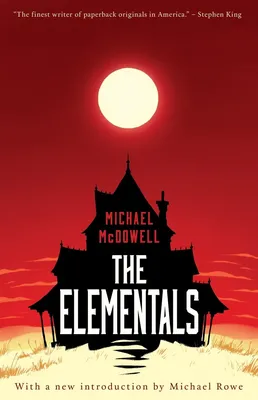
Southern gothic horror that treats a trio of Victorian beach houses on the Gulf Coast like a slow-acting poison. One of the houses is being consumed by sand. Nobody talks about it. Nobody goes near it. McDowell lets the horror build through family dinners, afternoon drinks, and the creeping realization that whatever is in that third house has been patient for a very long time.
Who it's for: Readers who want a haunted house story with humidity and manners.
2. The Hollow Places by T. Kingfisher
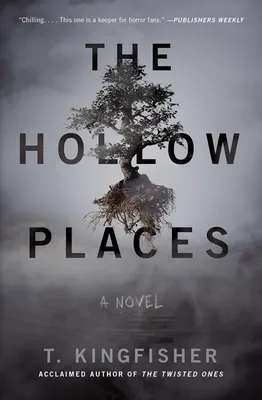
A woman staying in her uncle's oddball roadside museum finds a hole in the wall that leads somewhere else. Not somewhere good. T. Kingfisher has a gift for writing protagonists who react to the impossible with the exact mix of terror and dark humor that a real person would, and that grounding makes the wrongness of what's on the other side of that wall hit so much harder.
Who it's for: Anyone who finds liminal spaces genuinely unsettling and wants a book that knows why.
3. Harvest Home by Thomas Tryon
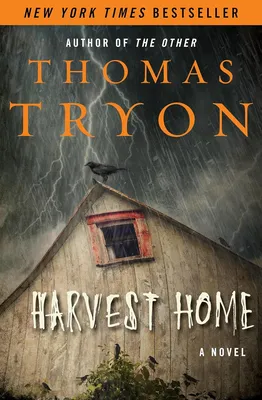
A family moves from New York City to a perfect New England village. The corn is golden. The neighbors are welcoming. The harvest festival is coming. Tryon published this in 1973 and it still operates like a trap that closes so slowly you don't feel the teeth until the last fifty pages. The pastoral beauty of the setting is the horror — you keep waiting for the mask to slip, and when it does, you realize it was never a mask.
Who it's for: Fans of folk horror and Midsommar who want the book that got there first.
4. Mexican Gothic by Silvia Moreno-Garcia
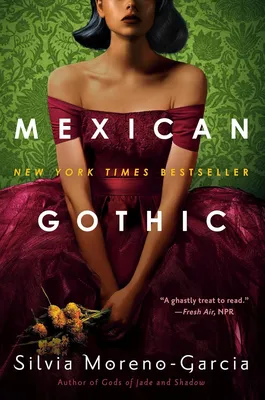
A glamorous socialite travels to a decaying mansion in the Mexican countryside to check on her newly married cousin, and the house starts working on her immediately. The walls are damp. The dreams are wrong. The family patriarch smiles too much. Moreno-Garcia builds an atmosphere so thick and fungal you can practically smell the mold coming off the pages.
Who it's for: Readers who want gothic horror with teeth and a protagonist who fights back.
5. The Fisherman by John Langan
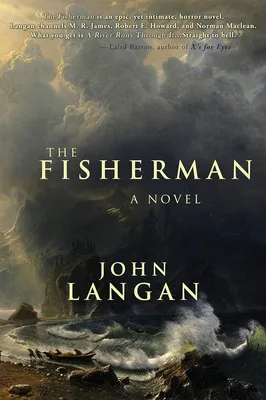
The first third of this book is a quiet story about grief. Two widowers who find solace in fishing together. Then one of them hears about a creek in the Catskills where the fish bite like nowhere else, and Langan drops you into a story-within-a-story that descends into cosmic horror so gradually that you don't realize how deep you've gone until it's far too late. The atmosphere isn't just in the setting — it's in the structure itself.
Who it's for: Patient readers who want cosmic horror that earns every moment of dread.
6. The Twisted Ones by T. Kingfisher
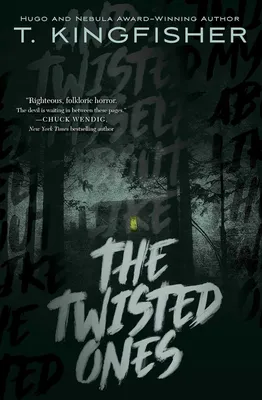
Based on Arthur Machen's "The White People," this follows a woman cleaning out her dead grandmother's hoarder house in rural North Carolina. The grandmother's journal entries start strange and get worse. The woods behind the house are wrong in a way that's hard to articulate, which is exactly what makes it so effective. Kingfisher lets the wrongness accumulate in small details — a stone cairn that wasn't there yesterday, a deer that stands too still — until the landscape itself feels hostile.
Who it's for: Readers who find the woods behind an old house scarier than anything in a city.
7. Uzumaki by Junji Ito
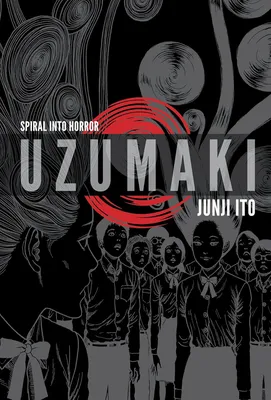
A manga about a town that becomes obsessed with spirals. That's it. That's the premise. And it is one of the most suffocating, claustrophobic horror experiences I've ever encountered in any medium. Ito escalates the spiral obsession from quirky to disturbing to nightmarish with a visual precision that prose simply cannot replicate. The atmosphere isn't just built — it's drawn, and every panel tightens the coil.
Who it's for: Anyone willing to step outside prose horror and experience dread in a visual format.
8. The Luminous Dead by Caitlin Starling
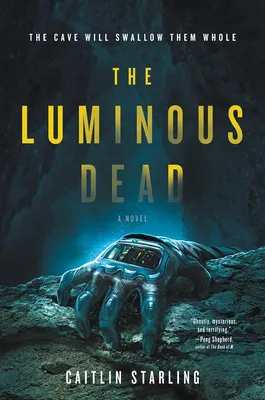
A woman descends into a cave system on an alien planet, guided only by a voice in her suit that she's increasingly sure is lying to her. Starling traps you in that suit with her. The claustrophobia is relentless, the isolation is total, and the mounting paranoia about whether the voice above is a lifeline or a threat makes every page feel like the walls are closing in. This is atmospheric horror through confinement, and it never lets up.
Who it's for: Readers who want their horror served in absolute darkness with no way out.
9. White Is for Witching by Helen Oyeyemi
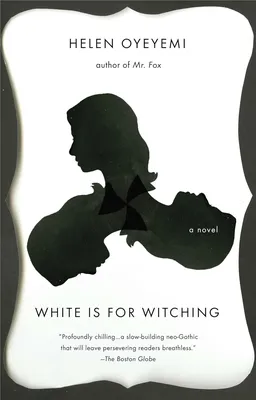
A house in Dover, England has preferences. It likes some people. It doesn't like others. It especially doesn't like foreigners. Oyeyemi writes the house as a character with appetites and prejudices, and the result is a ghost story that's also about xenophobia, eating disorders, and the things that families inherit without realizing it. The atmosphere is dream-logic thick — nothing behaves quite the way it should, and the book doesn't care if you're comfortable with that.
Who it's for: Literary horror readers who want a haunted house with political teeth.
10. The Winter People by Jennifer McMahon
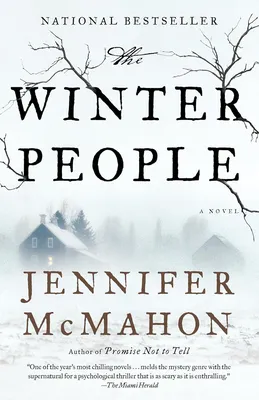
A woman disappears from a Vermont farmhouse. Her daughters find a hidden diary. The diary describes a ritual to bring back the dead. McMahon alternates between timelines with a quiet precision that makes the dread cumulative — each chapter in the past makes the present feel more dangerous, and each chapter in the present makes you more afraid of what the diary is about to reveal. The winter setting isn't decoration. It's a character.
Who it's for: Readers who like their horror domestic, cold, and built on secrets.
11. Coraline by Neil Gaiman
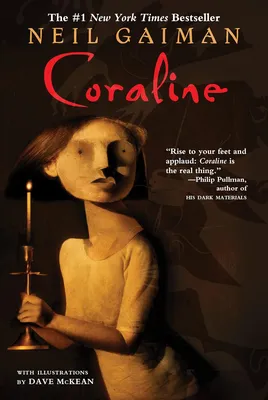
A children's book that is more effectively atmospheric than most adult horror published in the last thirty years. A girl finds a door in her house that leads to a better version of her life, except everyone on the other side has buttons for eyes. Gaiman understood that the uncanny valley is scariest when it's almost right, and the Other Mother is one of the most unsettling antagonists in modern horror precisely because she starts out so appealing.
Who it's for: Everyone. Genuinely. But especially adults who think they've outgrown being scared by a book.
12. The Little Stranger by Sarah Waters
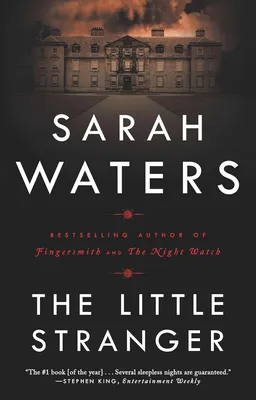
A country doctor becomes entangled with a declining aristocratic family in their crumbling estate in post-war England. Is the house haunted? Is the family simply falling apart? Waters never fully answers, and that ambiguity is the engine of the entire book. The atmosphere is one of slow, relentless decay — of a house, a family, a class system, and a man who may be the most unreliable narrator in modern gothic fiction.
Who it's for: Readers who want a ghost story that might not be a ghost story at all.
13. The Hunger by Alma Katsu
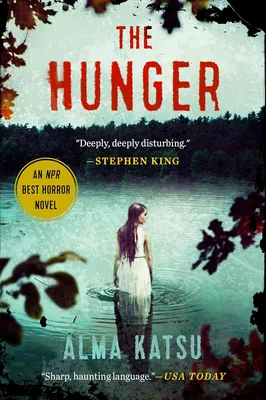
The Donner Party, retold as horror. You already know how this ends — the starvation, the snow, the cannibalism. Katsu doesn't change the historical facts. She just adds a layer of supernatural dread underneath them and lets the real horror and the invented horror blur together until you can't tell which is worse. The atmosphere comes from inevitability. You know what's coming. You can't stop reading anyway.
Who it's for: Historical fiction readers who want to feel the cold in their chest.
14. The Changeling by Victor LaValle
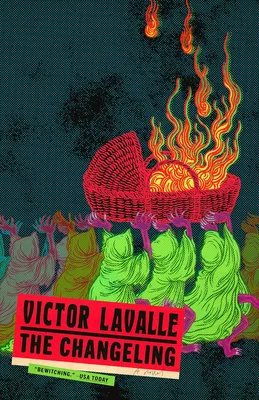
A new father's life unravels when his wife does something unthinkable to their infant son. That's the starting point, not the destination. LaValle sends his protagonist on a journey through a New York City that operates on fairy tale logic — enchanted islands, hidden communities, digital-age monsters — and the atmosphere shifts from domestic realism to dark urban fantasy so seamlessly that you accept every impossible thing because the emotional foundation is so solid.
Who it's for: Parents. And anyone who wants horror that understands love makes you more vulnerable, not less.
Let the Dread Settle
Fourteen books. Not one of them needs a jump scare to ruin your evening. The best atmospheric horror infects you. It changes the way a dark hallway feels when you walk to the bathroom at two in the morning. It makes you glance at a door you've walked past a thousand times and wonder, just for a second, if it there is something in it looking back at you.
If you're new to this kind of horror, start with The Hollow Places or Coraline. If you want to go deep immediately, The Fisherman or Harvest Home will take you somewhere you won't easily come back from. Pick the one that sounds like it was written specifically to bother you. That's probably the right one.
Continue Reading
17 Horror Books You've Probably Never Heard Of
Forget Stephen King. Forget Nick Cutter. These are the horror books that even horror readers haven't found yet.
15 Sci-Fi Horror Books Where the Science Is the Monster
When the experiment goes wrong, the AI wakes up, or the DNA splices itself into something new — these are the books that turn science into nightmare fuel.