Book recommendations, reviews, and reading lists.

14 Best Books About Female Rage
2026-03-18 · Written by Josh
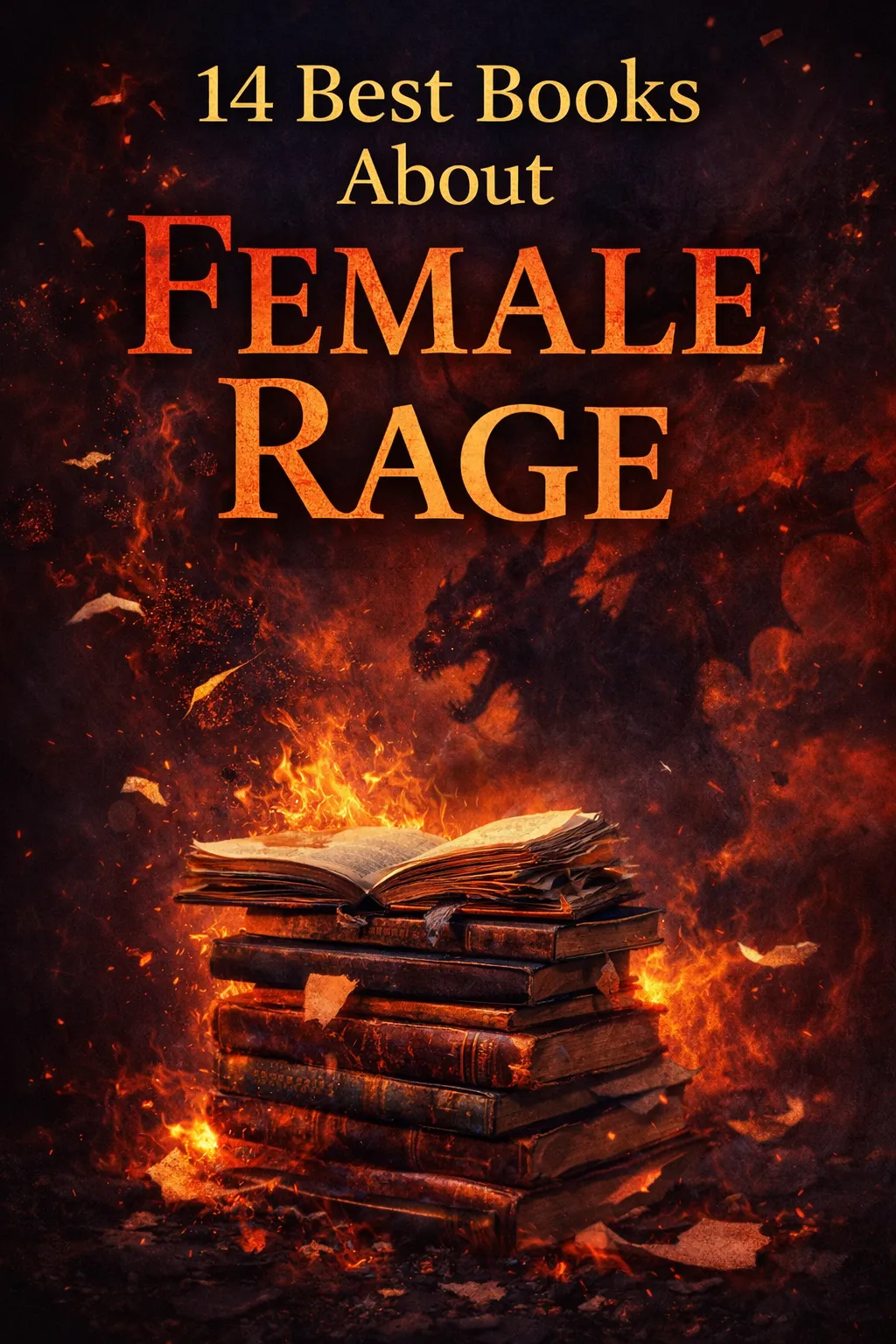
These Books Refuse to Call It Hysteria
For most of literary history, women's anger got a specific kind of treatment. It was madness. It was villainy. It was a cautionary tale about what happens when a woman forgets her place. The angry woman was always the monster in someone else's story and never the hero of her own.
That started changing, and now we have an entire shelf of fiction that treats female rage as something worth exploring on its own terms. These books let their characters be furious and they don't apologize for it.
I've pulled together 14 books that do this exceptionally well. Some are literary, some are genre, some are both. What they share is a refusal to look away from women's anger or sand down its edges. If you've ever wanted a reading list that takes rage seriously as a human experience, this is it.
1. Nightbitch by Rachel Yoder
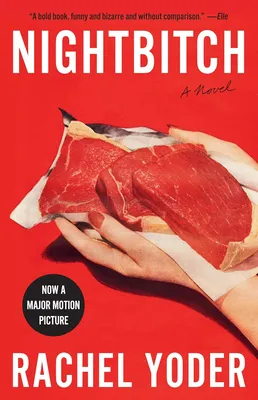
A stay-at-home mother, isolated and ground down by the invisible labor of raising a child alone, starts to suspect she is physically transforming into a dog. The feral metamorphosis is a metaphor for everything she's been swallowing — the boredom, the resentment, the animal need to exist as something other than someone's caretaker. It's raw, hallucinatory, and genuinely funny in the way that only total domestic breakdown can be.
Who it's for: Anyone who has ever felt like motherhood was slowly erasing them and wanted a book that says "yes, and what if you bit someone about it."
2. A Certain Hunger by Chelsea Summers
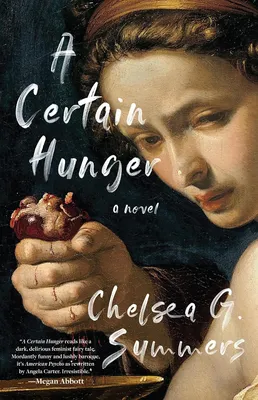
Dorothy Daniels is a celebrated New York food critic with impeccable taste in wine, prose, and the men she sleeps with — and then murders and eats. This is a darkly comic novel about appetite taken to its literal extreme, where the line between consuming culture and consuming people gets cheerfully obliterated. It hits harder than American Psycho because the hunger here is specifically, unapologetically female.
Who it's for: Fans of stylized literary violence who want a protagonist with a killer wardrobe and zero remorse.
3. The Power by Naomi Alderman
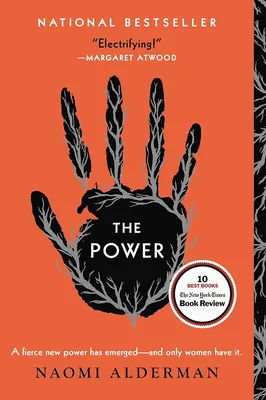
Women around the world develop the ability to release electrical jolts from their hands, and the entire global power structure collapses in real time. What makes this book exceptional is that it doesn't stop at the satisfying fantasy of the tables turning — it follows that power all the way through to its ugliest conclusions. It's speculative fiction that asks hard questions about whether rage, once weaponized, can build anything worth keeping.
Who it's for: Readers who want to see the patriarchy dismantled and are willing to sit with the complicated aftermath.
4. The Once and Future Witches by Alix E. Harrow
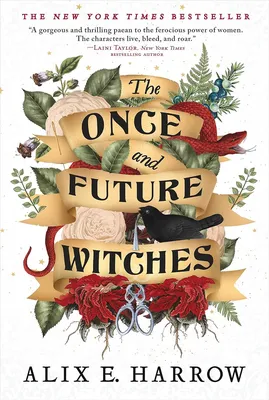
Three estranged sisters reunite in a version of 1893 America where witchcraft is real but has been driven underground by centuries of persecution. The magic in this book is inseparable from women's anger — every spell is powered by the accumulated fury of generations who were silenced, burned, and erased. It's historical fantasy that reads like a fever dream of feminist solidarity, and the emotional core of the sisterhood holds the whole thing together.
Who it's for: People who want to read about women using magic, stubbornness, and each other to tear down an oppressive system.
5. Circe by Madeline Miller
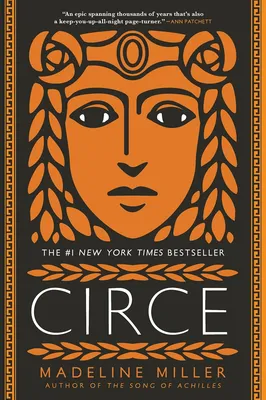
Circe is the daughter of a Titan who gets exiled to a remote island because the gods find her inconvenient. What follows is a slow, determined process of a woman building power entirely on her own terms — through witchcraft, through solitude, through refusing to be anyone's footnote. The rage here isn't explosive. It's architectural. She constructs an entire life out of the refusal to be diminished.
Who it's for: Readers who love mythology and want to see a character the original stories dismissed finally get her own story told right.
6. The Eyes Are the Best Part by Monika Kim
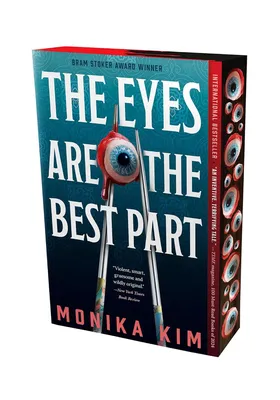
A young Korean American woman, already buckling under the weight of family obligation and cultural pressure, develops a fixation that curdles into something genuinely disturbing. This is a short, sharp book that understands how rage and grief can fuse together into something unrecognizable. It doesn't give you easy answers about its protagonist, and it doesn't let you look away.
Who it's for: Readers who want a fast, intense horror novel about what happens when a woman's breaking point arrives quietly and doesn't leave.
7. Ninth House by Leigh Bardugo
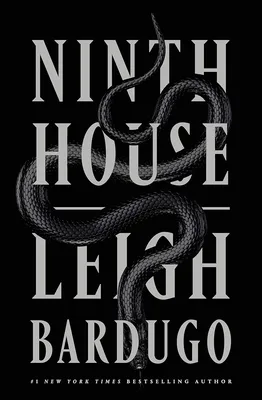
Galaxy "Alex" Stern is a survivor of horrific violence who gets recruited into the secret magical societies of Yale, and she brings every ounce of her fury with her. This isn't a cozy dark academia novel — Alex is messy, dangerous, and operating on a level of barely contained rage that the privileged students around her can't begin to understand. The book doesn't shy away from showing how that anger is both her greatest weapon and the thing that isolates her.
Who it's for: Fans of dark academia who want a protagonist forged by trauma instead of privilege.
8. The Hunger Games by Suzanne Collins
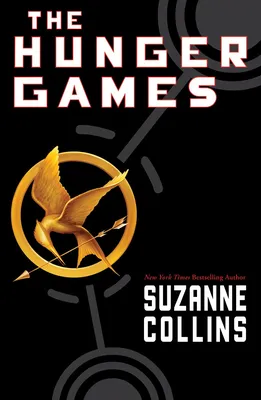
Katniss Everdeen volunteers to die in place of her sister and then refuses to play by the rules of the machine designed to kill her. What holds up on rereading is how clearly the books understand that Katniss's rage isn't heroic motivation — it's the result of systematic oppression grinding down everyone she loves. She doesn't want to be a symbol. She wants to survive. The revolution happens almost in spite of her, and that's what makes it feel real.
Who it's for: Anyone who wants a reminder that the most dangerous thing about an angry person is when they stop having anything left to lose.
9. Come Closer by Sara Gran
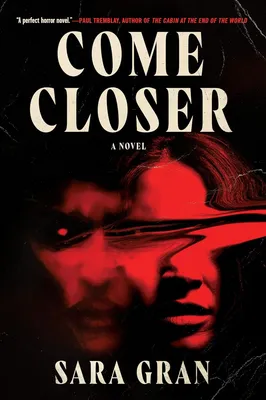
Amanda is an architect with a normal life — husband, apartment, career — until a demon named Naamah begins to possess her. The possession is gradual and devastating, a slow erosion of self where Amanda watches her own behavior become increasingly violent and erratic without being able to stop it. It's one of the most unsettling short novels I've ever read, and the metaphor for rage that lives inside you and answers to no one lands like a hammer.
Who it's for: Readers who want a slim, devastating psychological horror about losing control of who you are.
10. They Never Learn by Layne Fargo
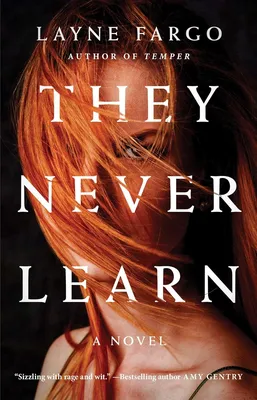
A college professor moonlights as a serial killer, targeting the men on campus who assault women and face no consequences. It's a revenge thriller that skips the moral hand-wringing and gets straight to the catharsis. The book knows exactly what it is and doesn't pretend to be conflicted about it, which is part of what makes it work.
Who it's for: People who want a quick, satisfying thriller about a woman who decides the justice system is too slow and she has a better idea.
11. The Bandit Queens by Parini Shroff
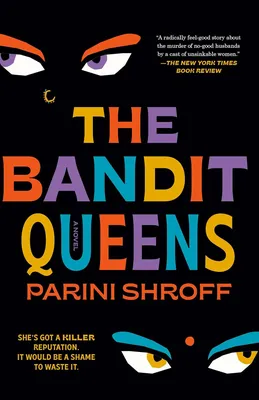
Geeta lives in a modern Indian village where everyone believes she murdered her husband. She didn't — he just left — but the reputation turns out to be useful when other women in the village start coming to her for help getting rid of their own abusive spouses. It's a darkly comedic novel about how one woman's rumored violence becomes an accidental liberation movement, and the mess that follows when the body count stops being theoretical.
Who it's for: Readers who want a funny, sharp novel about women helping each other in deeply questionable ways.
12. Out by Natsuo Kirino
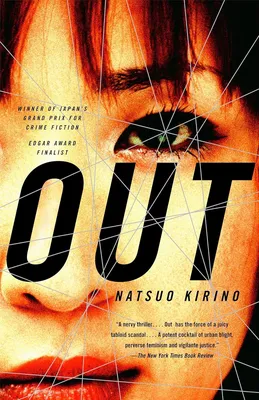
Four women work the night shift at a bento box factory in the Tokyo suburbs, each one quietly suffocating under the weight of her circumstances. When one of them strangles her abusive husband, the others help her dispose of the body — and the act of complicity cracks open everything they've been holding in. It's a thriller about the ordinary desperation of women's lives erupting into extraordinary violence, and Kirino writes it with an unflinching precision that never lets you look away.
Who it's for: Readers who want a Japanese crime thriller that exposes the quiet fury simmering beneath domestic routine.
13. When Women Were Dragons by Kelly Barnhill
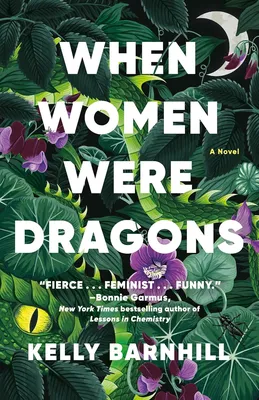
Set in an alternate 1950s America where women spontaneously transform into dragons — a phenomenon the government and media desperately try to suppress and erase from public memory. The protagonist, Alex, does not transform. She's left behind to raise her young cousin Beatrice after the dragonings, eventually becoming a scientist who refuses to let the truth be buried. The book is about what happens when an entire society decides women's power is too dangerous to acknowledge, and one woman who insists on documenting it anyway.
Who it's for: Readers who want a speculative novel about suppressed history, institutional gaslighting, and the quiet defiance of refusing to forget.
14. Slewfoot by Brom
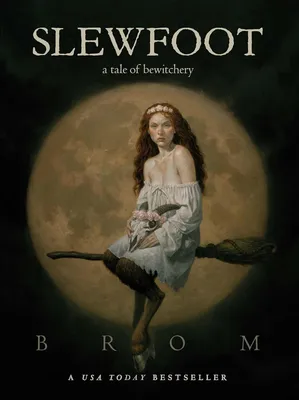
Abitha is a young Puritan woman in 1660s Connecticut whose husband's death leaves her fighting the village elders for the right to keep her own land. When she encounters a mysterious, ancient forest creature called Slewfoot, she begins to embrace a wildness and power that her community has spent centuries trying to stamp out. It's dark fairy tale meets historical horror, and it understands that sometimes the most dangerous thing a woman can do is stop being afraid.
Who it's for: Readers who want colonial-era horror with a protagonist who trades piety for fangs.
Where Rage Becomes the Story
For a long time, the literary consensus was that women's anger needed to be explained, contained, or punished. These books reject that premise entirely. The rage in these pages isn't a flaw to overcome — it's the engine of the story. It's what makes the characters dangerous, compelling, and honest in ways that polite fiction can't manage.
If you're not sure where to start, I'd point you toward Nightbitch for something raw and personal, The Power for something sweeping and political, or Out for something that will make you rethink every quiet woman you've ever met. They're all different entry points into the same territory: fiction that treats women's anger as worthy of a story, not a diagnosis.
Whatever you pick, I hope it makes you feel something. That's the whole point.
Continue Reading
14 Books With Plot Twists That Completely Blindside You
Not just "I didn't see it coming" — these are the twists that made readers physically put the book down, stare at the wall, and then immediately flip back to reread everything with new eyes.
12 Books Like James by Percival Everett
If James by Percival Everett left you wanting more, these books deliver the same brilliance — reimagined classics, radical perspectives, and prose that doesn't let go.