Book recommendations, reviews, and reading lists.

Best Books About Propaganda and Persuasion
2026-03-23 · Written by Josh
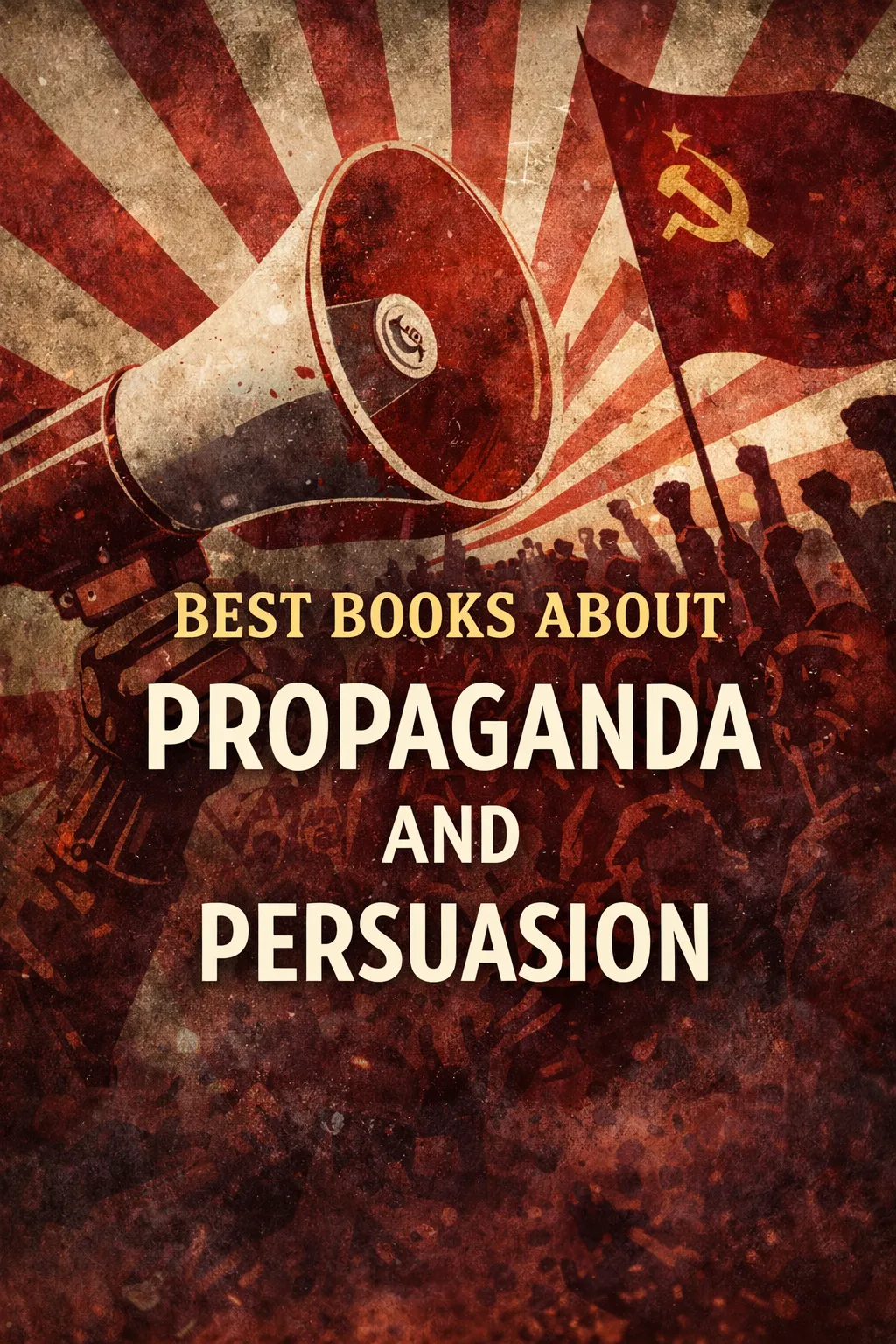
You Can't Opt Out of Being Persuaded
There's a particular kind of confidence that comes from thinking you're too smart to be manipulated. We all start there, defiant teenagers convinced we are above influence. Luckily reading solved that.
The books on this list aren't about propaganda as a historical curiosity. They're about the machinery behind it: how messages are shaped, how beliefs spread, how perfectly intelligent people end up convinced of things they'd never have accepted if they'd been asked directly. One insight that stuck with me is the idea that propaganda is built on effective persuasion. The same techniques that sell products shape political movements and national myths. The tools don't care what they're used for.
Reading these books will not make you immune to it. But it does change the way you watch a news broadcast, scroll through a feed, or listen to a speech. That's worth something. These are the books I'd recommend to anyone who wants to understand the water they're swimming in.
1. Amusing Ourselves to Death by Neil Postman
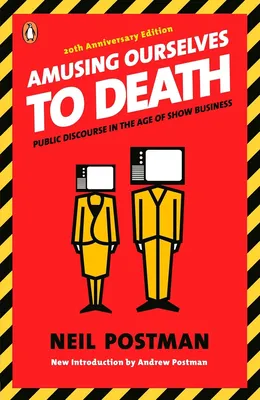
Written in 1985, this book aged so well it's almost uncomfortable. Postman's argument is that television didn't just change what we talk about. It changed how we think, replacing argument and nuance with entertainment and image. He frames the real cultural threat not as Orwell's boot on the face but as Huxley's soft distraction, the kind where nobody forces you to stop thinking because you're already too busy being entertained. Reading it now, with social media doing to attention spans what television did to public discourse, feels less like reading history and more like reading a diagnosis.
Who it's for: Readers who've noticed that modern political debate often feels more like a performance than an argument and want to understand why.
2. The Origins of Totalitarianism by Hannah Arendt
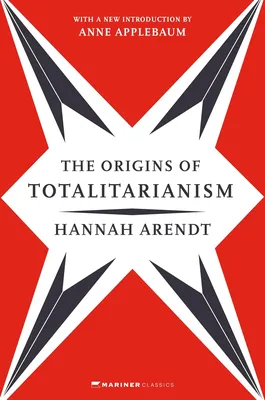
This is a long, demanding book, and I'd be lying if I said it was an easy read. But Arendt's account of how totalitarian movements take hold. How they construct a parallel reality through propaganda, isolate individuals from civic life, and transform ordinary people into true believers. She's describing a set of conditions and techniques that recur. The chapters on propaganda alone are worth the effort.
Who it's for: Readers willing to do serious intellectual work in exchange for one of the most important frameworks for understanding political extremism ever written.
3. Manufacturing Consent by Noam Chomsky and Edward Herman
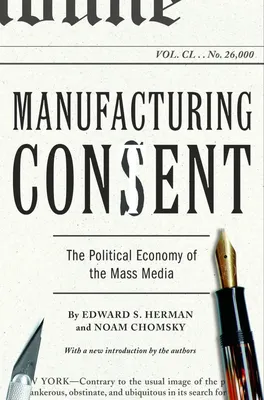
Chomsky and Herman's "propaganda model" lays out the structural reasons why mainstream media consistently serves the interests of the powerful through ownership, advertising dependence, sourcing habits, and the filtering of what gets treated as news. You don't have to agree with every conclusion to find the underlying analysis useful. The model gives you a way to think about why certain stories get covered the way they do, which is more practical than assuming every individual journalist is lying to you.
Who it's for: Readers who want a structural explanation for media behavior rather than a conspiracy theory.
4. The True Believer by Eric Hoffer
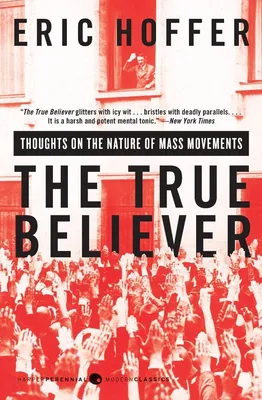
Hoffer wrote this in 1951, but his portrait of the "true believer" reads as fresh as ever. He defines a "true believer as someone who abandons individual identity to fuse with a mass movement. What's striking is his argument that the specific content of the movement matters less than the psychological need it fills. The true believer doesn't care about ideology; they're motivated by what the ideology does for them. That insight reframes a lot of things. Hoffer was a longshoreman who wrote this without academic training. It's direct, compressed, and doesn't waste your time.
Who it's for: Anyone trying to understand how people become radicalized, regardless of which direction.
5. Influence by Robert Cialdini
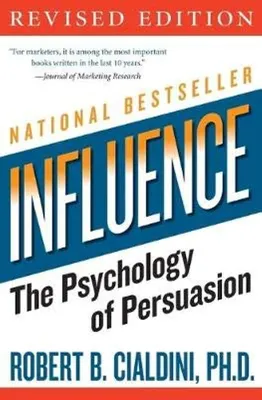
Cialdini wrote this from inside the persuasion industry. He spent time embedded with sales operations, marketing firms, and fundraising organizations to understand how influence actually functions in practice. The six principles he identifies (reciprocity, commitment, social proof, authority, liking, scarcity) are the building blocks of advertising, political messaging, and, yes, propaganda. Reading this as a propaganda book rather than a business book changes it. These are the exact levers being pulled on you constantly.
Who it's for: Readers who want a practical, grounded account of how persuasion works at the level of individual psychology.
6. This Is Not Propaganda by Peter Pomerantsev
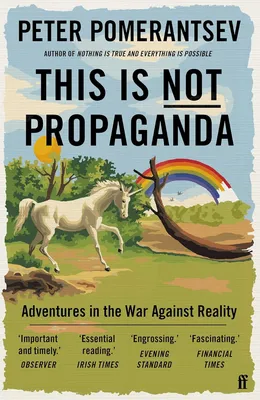
Pomerantsev grew up between the Soviet Union and the West and has spent his career watching information warfare evolve. This book is part memoir, part investigation into how modern propaganda operates. His core argument is that it's changed fundamentally. Old propaganda tried to make you believe one thing. New propaganda tries to make you believe nothing, to flood the zone with so much noise that certainty becomes impossible. His father was a Soviet dissident; his own career has been spent watching the playbook get updated for the internet age. The personal thread running through it makes the larger argument land harder.
Who it's for: Readers who want to understand disinformation as it actually operates in the 21st century, not as a Cold War relic.
7. Nothing Is True and Everything Is Possible by Peter Pomerantsev
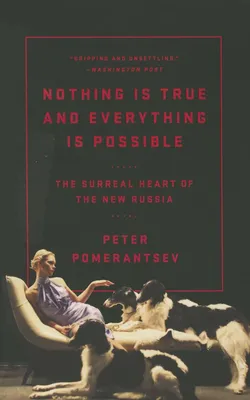
Pomerantsev's first book, and in some ways the more visceral of the two. It's about the reality TV surrealism of Putin-era Russia — a place where the manipulation is so thorough and so openly theatrical that people stopped expecting coherence and started living in a permanent state of managed confusion. Pomerantsev was working in Russian television during this period, and what he describes isn't state propaganda so crude you'd recognize it. It's something stranger: a political culture that learned to use entertainment, irony, and spectacle to make truth feel beside the point.
Who it's for: Readers who want to understand how propaganda functions when it abandons the pretense of telling a coherent story.
8. Public Opinion by Walter Lippmann
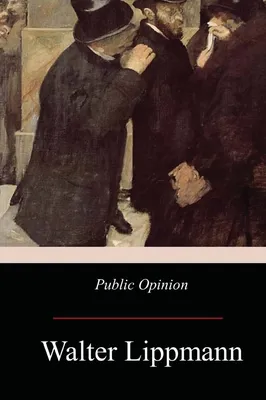
Published in 1922, this is where the modern study of propaganda begins. Lippmann introduced the concept of the "pseudo-environment" — the gap between the world as it actually exists and the picture of the world inside our heads, shaped by media, language, and selective information. He was sympathetic to journalists and politicians trying to navigate this gap, which makes his account less polemic than analytical. If you want to understand why later thinkers like Chomsky push back so hard, it helps to read the framework they're pushing back against.
Who it's for: Readers interested in intellectual history who want to start at the source.
9. How to Lose a Country by Ece Temelkuran
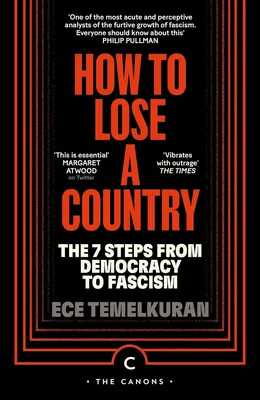
Temelkuran is a Turkish journalist who watched her country's democratic backsliding from the inside, and this book is her attempt to document the playbook before it's used somewhere else. She identifies seven steps she saw in Turkey that she's now watching unfold in other democracies. This is a practical guide to recognizing what's happening before it's too late. The propaganda analysis here is embedded in a larger argument about how democratic societies are dismantled, and it's specific enough to be useful rather than just alarming.
Who it's for: Readers who want to understand how authoritarian drift happens in real time, told by someone who lived through it.
10. Propaganda & Persuasion by Garth Jowett and Victoria O'Donnell
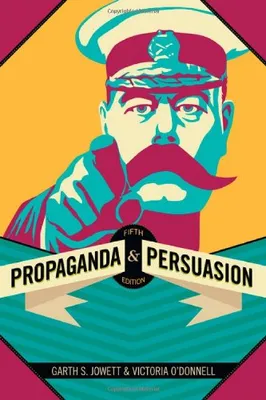
This is the academic text on the subject. It's dense, systematic, and thorough in a way that the other books on this list aren't trying to be. Jowett and O'Donnell trace propaganda from ancient rhetoric through contemporary media, offer a clear framework for analyzing it, and cover case studies across history. It's not the place to start, but if you've read several of the other books here and want something more rigorous and comprehensive, this is what serious students of the subject read.
Who it's for: Readers who want a scholarly reference rather than a polemic or a narrative — the kind of book you return to rather than read once.
11. Understanding Media by Marshall McLuhan
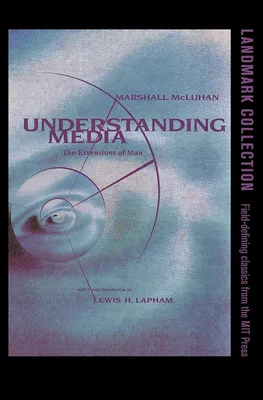
McLuhan's famous line — "the medium is the message" — gets quoted constantly and understood rarely. The actual argument is weirder and more interesting: that the form through which content is delivered shapes consciousness more deeply than the content itself. Television doesn't just carry ideas; it changes how we process ideas. The internet doesn't just distribute information; it rewires attention. In that sense, McLuhan's analysis sits upstream of propaganda entirely. He's asking why certain media environments make certain kinds of manipulation so much easier to execute.
Who it's for: Readers willing to sit with a difficult, non-linear thinker who anticipated the media landscape we're living in decades before it arrived.
Where to Start
If you're new to this subject, I'd start with Cialdini — it's the most accessible, and understanding the basic mechanics of persuasion makes everything else on this list click into place faster. From there, Postman or Pomerantsev's This Is Not Propaganda are the easiest next steps depending on whether you want to look at media structure or modern disinformation specifically.
The harder reads — Arendt, McLuhan, Lippmann — reward patience. They're not books you absorb in a weekend, but they're the ones I keep thinking about long after I've finished them. Hoffer's The True Believer splits the difference: short, dense, and one of those books where almost every page has a sentence you want to underline.
What this list can't do is make you immune to any of this. That's one of the more unsettling things these books agree on: knowing how the tricks work doesn't mean the tricks stop working on you. But it changes something. You start to notice the pull before you've already followed it, which is about the best any of us can reasonably hope for.
Continue Reading
12 Books Like Project Hail Mary
The Project Hail Mary movie is here, Ryan Gosling nailed Rocky, and now you need something to fill the void. These 12 books have the same problem-solving energy, unlikely friendships, and stubborn optimism that made Andy Weir's novel impossible to put down.
The 10 Most Recommended Authors on Reddit, According to 2,600+ Book Threads
I analyzed over 2,600 Reddit threads about books and ranked the authors readers actually push people toward. The results are surprising and not what any best-of list would predict.