Book recommendations, reviews, and reading lists.

12 Incredible Books You've Probably Never Heard Of
2026-03-18 · Written by Josh
The Deepest Cuts on the Shelf
Every book recommendation thread eventually circles back to the same titles. You know them. I know them. We're all tired of pretending we haven't heard of The Great Gatsby.
This list is different. These are the books that people bring up with a kind of desperation in their voice, like they've been waiting years for someone to finally ask. The ones that changed a reader's life but never show up on any bestseller list. The kind of books where the most upvoted comment is also the one nobody else has heard of.
If you're looking for your next favorite book, it's probably in here.
1. The Historian by Elizabeth Kostova
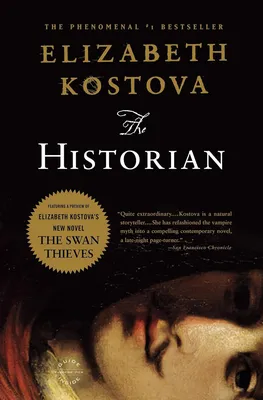
Think The Da Vinci Code meets Dracula, except it's actually well written. A young woman discovers a mysterious book among her father's papers and follows a trail of letters, libraries, and ancient monasteries across Eastern Europe, all leading toward the possibility that Vlad the Impaler is still alive. It's an epistolary novel that moves between timelines and perspectives, and readers describe it as the kind of book that swallows you whole. Some find it slow. The rest read it every October like a ritual.
Why it's overlooked: It's long, it's quiet, and it came out in 2005 when everyone was reading Dan Brown. It deserved better.
2. The Unwomanly Face of War by Svetlana Alexievich
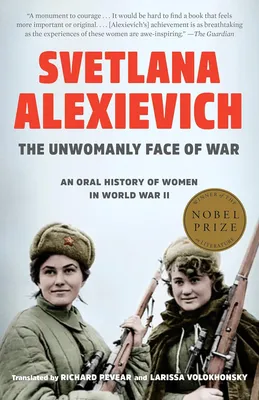
Over two hundred firsthand accounts from women who fought on the Eastern Front in World War II. Snipers, bomber pilots, nurses, partisans, all of them teenagers when the war started. Alexievich won the Nobel Prize for Literature, but somehow this book still flies under the radar. The accounts are raw and unvarnished, and they'll rearrange something inside you. This is the history they didn't teach you in school.
Why it's overlooked: Oral history doesn't get the same shelf space as novels. It should.
3. Replay by Ken Grimwood
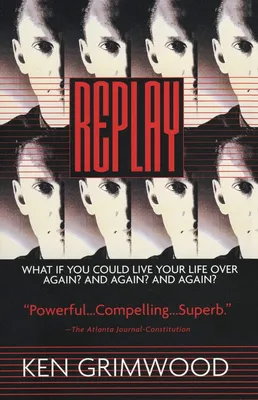
A man dies of a heart attack at 43 and wakes up as his 18-year-old self with all his memories intact. Then it happens again. And again. Each life plays out differently based on his choices, and the novel becomes a meditation on regret, free will, and whether we'd actually fix things if we had the chance. One reader credited this book with helping them stop dwelling on the past. Then mentioned that the author himself died of a heart attack in middle age, which gives the whole thing an eerie weight.
Why it's overlooked: Published in 1986, before the time-loop genre became a thing. It arguably invented the concept that Groundhog Day later made famous.
4. Einstein's Dreams by Alan Lightman
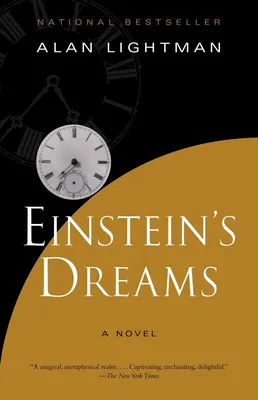
Thirty short chapters, each one imagining a different version of time. In one world, time moves slower at higher altitudes, so people build their houses on mountaintops. In another, everyone knows the future and lives in quiet resignation. Written by an MIT physicist, it reads more like poetry than fiction. It's the kind of book you can finish in an afternoon and think about for years. One reader's first-grade teacher gave it to her daughter; the daughter is now graduating high school and it's still her favorite book.
Why it's overlooked: At barely 140 pages, bookstores don't know where to shelve it. Is it science fiction? Philosophy? Literary fiction? It's all of them and none of them.
5. The End of the Story by Lydia Davis
A married woman looks back on an affair she had with a younger man and tries to write about it. That's the premise, but the real subject is obsession itself, the way memory distorts what happened, the way we lose ourselves completely in love and then have to reconstruct who we were before. Davis writes with microscopic precision, noticing things like grains of millet in the sink drain and the way light shines through her lover's ear, making it look pink. One commenter said they'd never met a single other person who had read it.
Why it's overlooked: Lydia Davis is famous for flash fiction. This novel is her only full-length work, and it gets lost in the shadow of her short stories.
6. The Last Man by Mary Shelley

Everyone talks about Frankenstein. Nobody talks about Shelley's other masterpiece: a futuristic dystopia featuring the internet, airships, global warfare, and a plague that wipes out humanity, written in 1826. Shelley predicted more about the modern world in this novel than most science fiction writers managed in the twentieth century. The fact that it's been out of print for most of its existence is a crime against literature.
Why it's overlooked: Living in the shadow of the most famous horror novel ever written will do that.
7. Lamb: The Gospel According to Biff, Christ's Childhood Pal by Christopher Moore
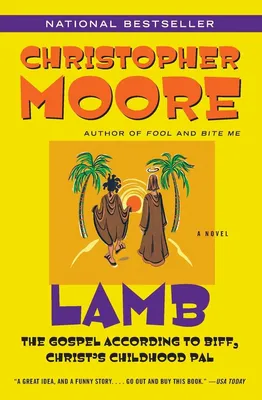
The missing years of Jesus Christ, as told by his foul-mouthed best friend Biff. They travel to Asia, study with monks, get into trouble, and argue about everything. It's possibly the funniest book ever written about religion, and somehow manages to be genuinely respectful of its subject matter while being absolutely irreverent about everything else. Readers describe laughing out loud on public transit.
Why it's overlooked: The title scares off religious readers, and the premise scares off everyone else. Both groups are missing out.
8. The City of Dreaming Books by Walter Moers
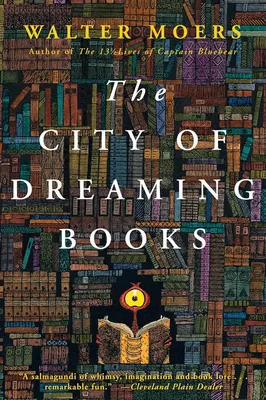
In a continent called Zamonia, a young dinosaur poet inherits a perfect manuscript and sets out to find its author, eventually descending into a massive underground labyrinth beneath a city built entirely around books. It sounds like a children's book. It absolutely isn't. Moers created something genuinely original here, and readers who found it as kids describe the visual imagery as permanently burned into their brains. Huge in Germany, virtually unknown everywhere else.
Why it's overlooked: It's a translated German novel about a dinosaur. Marketing never stood a chance.
9. The Cold Vanish by Jon Billman
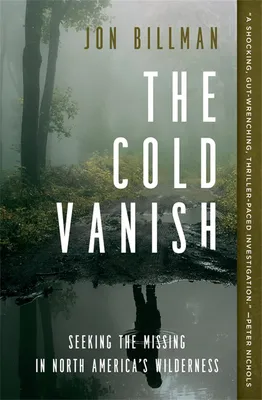
A nonfiction investigation into people who vanish in North America's wilderness. This is not conspiracy theory territory. It's the opposite: Billman argues that the conspiracy theories around missing hikers have actively damaged real search and rescue operations. The book follows actual families looking for actual people, and it's both gripping and heartbreaking. One reader said they can't recommend it to anyone because every conversation immediately derails into Missing 411 debates.
Why it's overlooked: Gets lost in the true crime section, which is dominated by serial killer books. This is something much more unsettling.
10. The Stories of Breece D'J Pancake
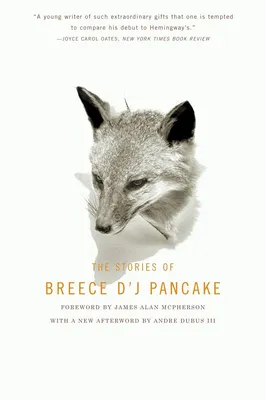
He was a brilliant young writer from West Virginia who killed himself at 26. This is his only book, a slim collection of short stories set in Appalachian mining country. The prose is spare and devastating, and the first story, "Trilobites," is the kind of thing you read once a year for the rest of your life. One commenter said it was the first time they'd ever seen anyone else recommend it.
Why it's overlooked: One book. One dead author. No marketing machine. Just perfect sentences that a handful of devoted readers pass along like a secret.
11. We, the Drowned by Carsten Jensen
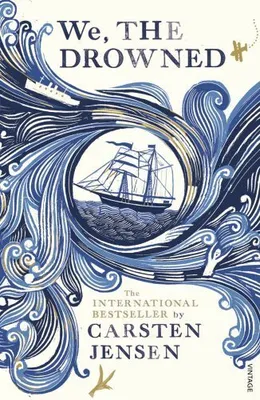
A Danish epic that follows a seafaring town through 150 years of war, exploration, and loss. It's the kind of sweeping generational saga that normally gets turned into a prestige TV series, except nobody in the English-speaking world seems to know it exists. Think One Hundred Years of Solitude set on the North Sea.
Why it's overlooked: Danish literature doesn't get much airtime outside Scandinavia. This one deserves it.
12. Alas, Babylon by Pat Frank
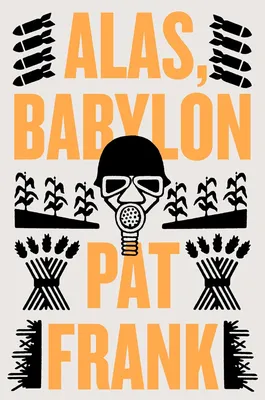
A small Florida town survives nuclear war and has to rebuild civilization from scratch. Written in 1959, it's one of the most optimistic pieces of nuclear fiction ever published, which is both its charm and its controversy. Yes, there's casual 1950s racism and misogyny. Yes, the story still holds up. Readers who found it in high school never forgot it. It's now in the public domain.
Why it's overlooked: Nuclear fiction got dark after this. Most people went straight to On the Beach or The Road and never looked back.
What These Books Have in Common
None of them had massive marketing budgets. None of them spawned franchises. Most of them were found by accident, a weird cover in a secondhand shop, a teacher's gift, a random library pull. And every single one of them made someone say, "This is the best book I've ever read, and no one knows about it."
That's the best kind of recommendation there is.
Continue Reading
14 Best Books About Female Rage
For most of literary history, women's anger was written as madness or villainy. These 14 books reclaim rage as power — from feral motherhood to literal dragons.
14 Atmospheric Horror Books That Get Under Your Skin
14 Best Atmospheric Horror Books That Will Haunt You for Days