Book recommendations, reviews, and reading lists.

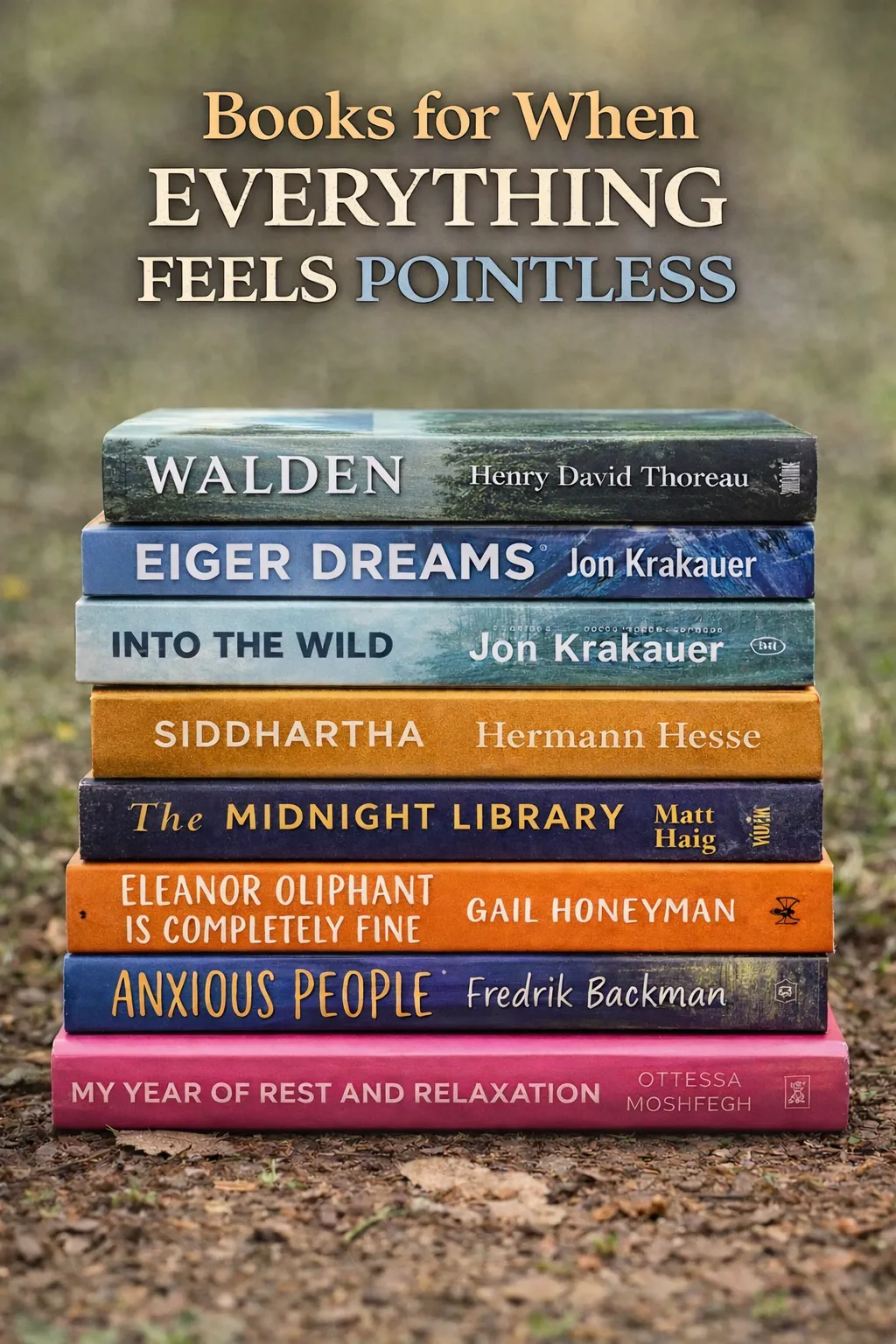
Books for When Everything Feels Pointless
March 18, 2026 · Written by Josh
The Question Nobody Asks Out Loud
In your twenties you're supposed to be building a life, but half the time you can't figure out why you'd bother. The pressure to become "successful" is relentless. Disappearing into the woods and never looking back sounds awesome. And somewhere between those two poles, you want to take a very long nap.
The life you were promised and the life you're living don't match, and nobody handed you the manual for what to do about it.
These books won't fix that. But they'll sit with you in it, and some of them might show you a door you didn't know was there.
The Books That Help You Breathe
Walden by Henry David Thoreau

The original "I'm going to live in the woods and think about things" book. Thoreau built a cabin by a pond, simplified everything, and wrote about what he found when he stripped life down to its essentials. Yes, his mom did his laundry. That doesn't invalidate the point. Walden isn't really a how-to guide for off-grid living. It's permission to question whether the life everyone expects you to live is actually the one worth living. Pair it with long walks and no headphones.
What it does for you: Makes the idea of wanting less feel like strength instead of failure.
Eiger Dreams by Jon Krakauer
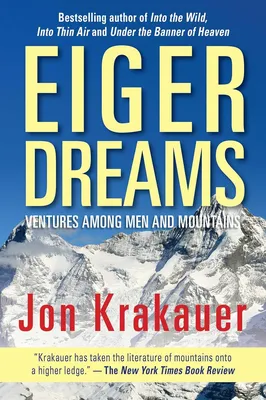
Before Into the Wild and Into Thin Air, Krakauer wrote this collection of essays about people drawn to mountains and extreme places. These aren't motivational stories about conquering summits. They're portraits of people who couldn't sit still in normal life, who needed something wilder, and who found ways to build lives around that need without necessarily destroying themselves. It's the best argument for being a weekend warrior that's ever been written.
What it does for you: Shows you that the wild streak inside you isn't a flaw — it's something you can build a life around.
Into the Wild by Jon Krakauer
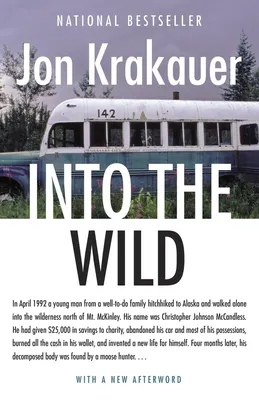
Chris McCandless gave away his money, abandoned his car, and walked into the Alaskan wilderness. He died there. Krakauer tells his story without judgment, and the book becomes something more complicated than a cautionary tale or a celebration. It's about the pull of complete freedom and the cost of taking it to its extreme. Every person who's ever fantasized about disappearing needs to read this, not to be scared out of it, but to understand the full shape of what they're feeling.
What it does for you: Takes the fantasy seriously enough to examine it honestly.
Siddhartha by Hermann Hesse
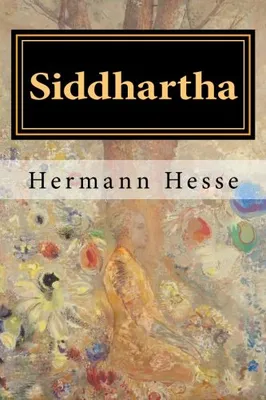
A young man leaves behind everything comfortable to search for meaning. He tries asceticism. He tries wealth. He tries love. None of it works on its own. Hesse wrote this in 1922 and it still reads like a letter addressed directly to you. It's short, it's beautiful, and it lands differently every time you read it. The message isn't "here's the answer." The message is "the search is the answer," and somehow that's actually comforting.
What it does for you: Gives you permission to not have it figured out yet.
The Books That Make You Feel Less Alone
The Midnight Library by Matt Haig
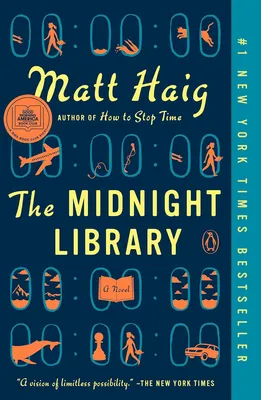
Nora Seed finds herself in a library between life and death, where every book contains a version of her life based on different choices. It's a premise that could easily be saccharine, but Haig writes from his own experience with depression, and it shows. The book doesn't pretend that everything is fine. It just asks whether the life you're already living might contain something worth sticking around for. Readers either love it or find it too neat, but for the right person at the right time, it lands like a lifeline.
What it does for you: Makes you reconsider the choices you think you regret.
Eleanor Oliphant Is Completely Fine by Gail Honeyman
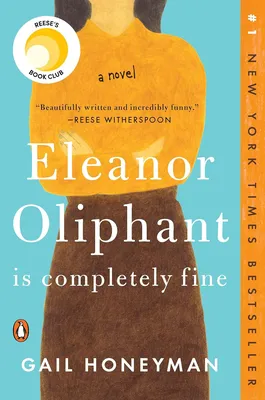
Eleanor has her routine. Wednesday vodka. Weekend vodka. She speaks to no one. She is completely fine. She is absolutely not fine. The novel is warm and funny on the surface, and then it hits you with something so honest you have to set it down. It's about isolation, trauma, and the terrifying act of letting someone in. Multiple readers in crisis have credited this book with making them feel seen.
What it does for you: Reminds you that "fine" is the most dangerous word in the English language.
Anxious People by Fredrik Backman
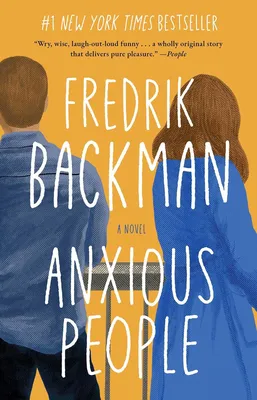
A failed bank robber accidentally takes a group of apartment viewers hostage. It sounds like a comedy. It is a comedy. It's also a book about how everyone is carrying something unbearable and how the most unlikely connections can crack you open. Backman writes with a dark humor that makes the emotional gut punches hit harder, not softer. One reader described it as the book that suited their situation perfectly.
What it does for you: Makes you laugh first, then cry, then feel like maybe people aren't so bad.
My Year of Rest and Relaxation by Ottessa Moshfegh
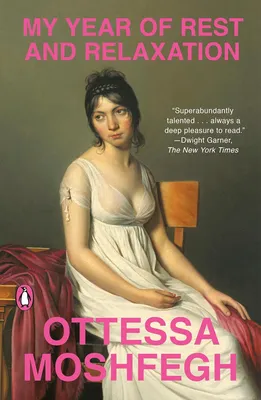
A young woman decides to sleep through an entire year of her life. The desire to simply opt out of consciousness — to pause the whole exhausting performance of being alive — is the most relatable thing in modern fiction. The protagonist is privileged and obnoxious and it doesn't matter. Everyone who reads this recognizes the feeling underneath. One reader going through a "slow-moving life-purpose crisis" described it as bizarrely resonant.
What it does for you: Validates the desire to disappear, then quietly shows you why you don't.
The Books That Reframe Everything
Man's Search for Meaning by Viktor Frankl
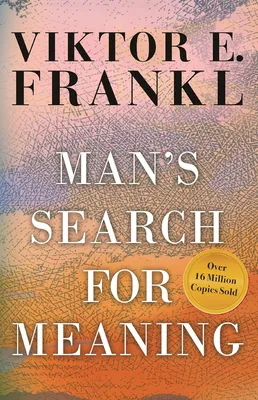
Frankl survived the Holocaust and wrote about what he observed: that the people who survived weren't necessarily the strongest or the healthiest, but the ones who found meaning in their suffering. The first half is memoir. The second half is his theory of logotherapy, which boils down to the idea that you can't control what happens to you, but you can choose what it means. It's the book therapists recommend most for a reason.
What it does for you: Reframes suffering as something you can work with instead of something that happens to you.
Bullshit Jobs by David Graeber
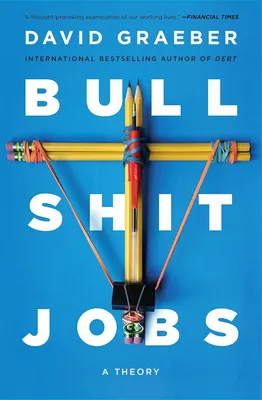
An anthropologist's argument that a huge percentage of modern jobs are completely pointless, and that the people working them know it. If you suspect that your misery isn't a personal failing but a structural one, this book will confirm it with research and dark humor. It won't fix your job situation, but it will make you feel significantly less crazy for hating it.
What it does for you: Confirms that the system is broken, not you.
Zen and the Art of Motorcycle Maintenance by Robert Pirsig
A father and son take a motorcycle trip across America, and it becomes a meditation on quality, craftsmanship, and how to be present in a world that rewards distraction. Pirsig was working through his own mental health struggles when he wrote it, and the book has a raw, searching quality that resonates with people who feel like they're thinking too much and living too little. One reader put it simply: "The Alchemist didn't do it for me, but this one did."
What it does for you: Teaches you to pay attention differently.
Braiding Sweetgrass by Robin Wall Kimmerer
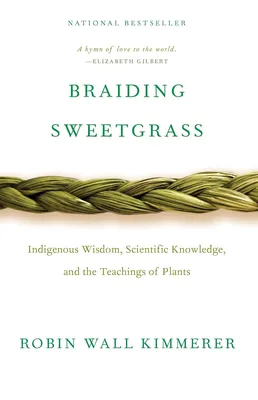
A botanist and member of the Citizen Potawatomi Nation writes about the relationship between indigenous wisdom and scientific knowledge. It's about plants, but it's really about belonging — to the earth, to a community, to something larger than your career. If the natural world has ever been the thing that makes you feel most alive, this book will articulate why.
What it does for you: Reconnects you to something older and calmer than the rat race.
The Book That Isn't a Book
Botany in a Day by Thomas J. Elpel
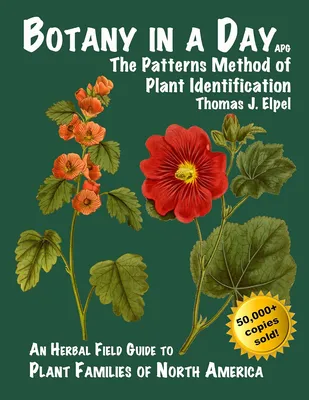
This is a textbook about identifying flowering plants. It has no narrative. It will not make you cry. But one reader made the most compelling case for it: once you learn to identify plant families, you can walk anywhere and see the natural world with new eyes. You understand how things are connected. The bullshit fades a little. And you can start growing things, even guerrilla-planting native species in your town. It's a book that turns into a hobby that turns into a different relationship with being alive.
What it does for you: Gives your hands something to do while your brain figures the rest out.
A Note Before You Go
One of the most upvoted responses in the thread where these books were recommended wasn't a book recommendation at all. It was someone who'd been in the exact same place twelve years earlier — depressed, miserable, ready to disappear. They broke off a bad relationship, moved to a new town, picked up hobbies that used their hands, deleted social media, and rebuilt from scratch. Twelve years later, they loved their life.
Their advice was simple: you can start over. On any given day, you can decide that you're done living like this. It won't be instant. It won't be easy. But the option is always there.
And in the meantime, read a book. Preferably outside, with no phone.
Continue Reading
Romance Books for Men (No Love Triangles, No Drama)
Romance recommendations for guys (and anyone else) who want a good love story without cheating, love triangles, or over-the-top drama. Just two real people figuring it out.
15 Dystopian Books That Aren't About Teenagers Saving the World
Love dystopian fiction but tired of every story being about a Chosen Teen? These 15 books feature adults dealing with collapse, surveillance, and survival without a single love triangle.