Book recommendations, reviews, and reading lists.

17 Horror Books You've Probably Never Heard Of
2026-03-18 · Written by Josh
The Horror Books That Horror Readers Actually Keep Secret
Every horror recommendation thread eventually turns into the same list. Stephen King. Nick Cutter. Paul Tremblay. Chris Buehlman. Great authors, all of them. But if you've already read the greatest hits and you're hungry for something genuinely different, you need to dig deeper.
I went looking for horror books that even dedicated horror readers consider rare finds. Books that are weird, uncomfortable, and impossible to forget. Here are 17 of them.
1. Horsefly by Mireille Gagne
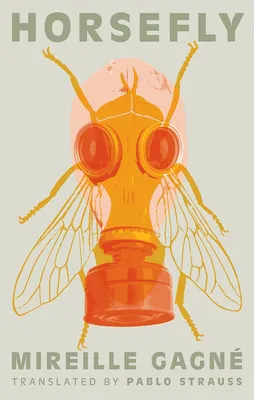
A translated French Canadian eco-horror about a man sent to an island to work on biological weapons for the military. Some chapters are told from the point of view of a horsefly. That's not a gimmick. It works. The result is something that feels alien in the best possible way.
Who it's for: Readers who want horror that doesn't feel like it was written in English first.
2. Root Rot by Saskia Nislow
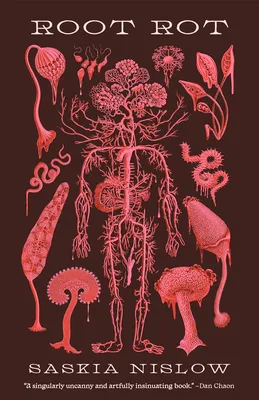
Nine children go to their grandfather's lake house. The house is wrong. The mushrooms bleed. The children don't have names, just titles: The Crybaby, The Boy Twin. The whole thing is written in first person plural ("we") which makes it feel like a collective nightmare you can't wake up from.
Who it's for: Anyone who wants literary horror that takes genuine risks with form.
3. Break the Bodies, Haunt the Bones by Micah Dean Hicks
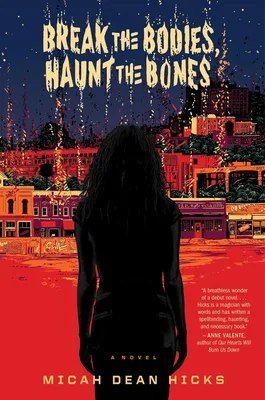
If The Library at Mount Char is the only comparison people can reach for, that tells you how far outside the box this book operates. It's a genre-bending fever dream about a haunted town where ghosts possess the living and a pig-human hybrid works in a meat packing plant. It's beautiful, grotesque, and completely unlike anything else on your shelf.
Who it's for: Readers who loved The Library at Mount Char and wondered if anything else could be that weird.
4. The Big Meat by Carlton Mellick III
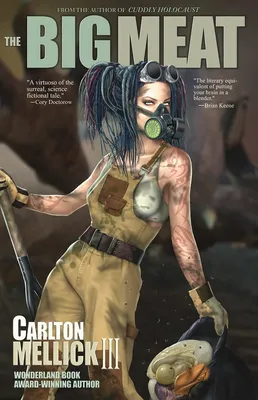
A kaiju is dead. Someone has to clean it up. This novella follows the crew tasked with disposing of a monster's corpse, and it's as grotesque and darkly funny as that premise suggests. Carlton Mellick III is the godfather of bizarro fiction, and this is one of his most accessible entry points.
Who it's for: Anyone who ever watched a Godzilla movie and wondered what happens after the credits roll.
5. The Monk by Matthew Lewis
Published in 1796. Lewis was nineteen years old. This book scandalized all of Europe with its graphic depictions of religious hypocrisy, sexual transgression, and demonic bargains. It's been shocking readers for over two hundred years and it still holds up. The fact that a teenager wrote it makes it even more unsettling.
Who it's for: Readers who think horror started with Shirley Jackson.
6. Where the Chill Waits by T. Chris Martindale
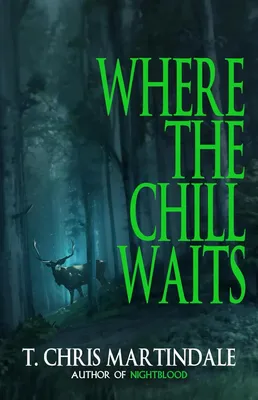
A wendigo story with genuine atmosphere. Out of print for years but findable if you look. The kind of horror novel that gets passed around between readers who know what they're looking for. The Canadian wilderness has never felt more hostile.
Who it's for: Fans of winter horror and Indigenous mythology done with respect.
7. Wyrd and Other Derelictions by Adam Nevill
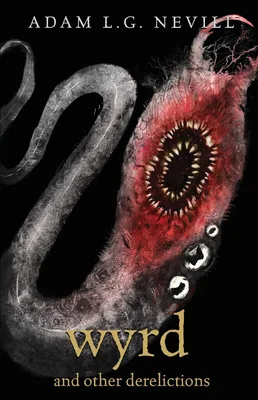
Adam Nevill gets recommended plenty, but this collection is something else entirely. Every story is set in an aftermath. No characters. No dialogue. Just descriptions of places where terrible things have already happened, and you have to piece together what occurred. It's horror through negative space.
Who it's for: Readers who find abandoned places more frightening than monsters.
8. Transcendental Mutilation by Ryan Harding
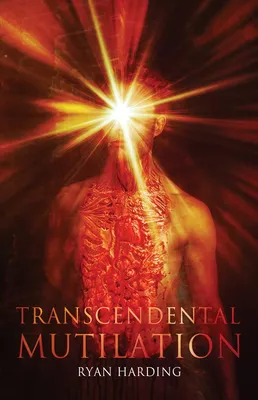
A splatterpunk short story collection that actually bothers to be well-written. That shouldn't be notable, but if you've spent time in the extreme horror space, you know the bar is often underground. The best stories here are genuinely excellent. The worst are still competently gruesome.
Who it's for: Splatterpunk fans who are tired of bad prose.
9. The Salt Grows Heavy by Cassandra Khaw
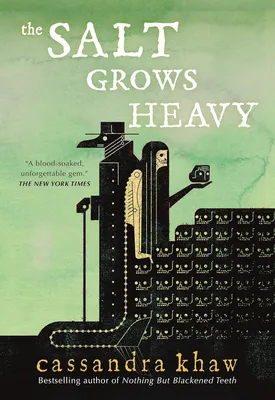
A mermaid and a plague doctor walk through a ruined world. It reads like a dark fairy tale written in blood and salt water. Short, brutal, and poetic in a way that horror rarely attempts. Not for everyone, but the people who love it really love it.
Who it's for: Readers who want their horror served with literary ambition.
10. The Magic Cottage by James Herbert
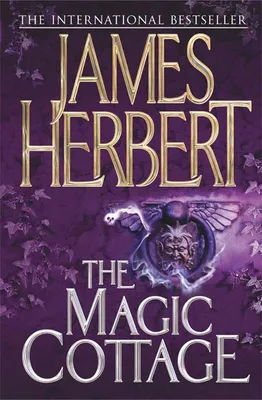
James Herbert is a legend in British horror but barely known in the US. A couple buys a perfect cottage in the countryside. It amplifies whatever you bring into it. If you bring love, it gives you more. If you bring darkness, well. Herbert understood that the scariest haunted houses are the ones that seem to be on your side.
Who it's for: Fans of haunted house stories who've exhausted the American canon.
11. The Castle of Otranto by Horace Walpole
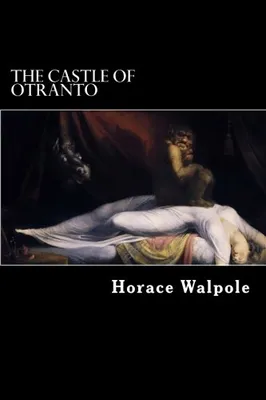
The first gothic horror novel ever written. 1764. A giant helmet falls from the sky and crushes a man on his wedding day. It only gets stranger from there. Reading this is like watching horror learn to walk. Clumsy in places, but you can feel the genre being born.
Who it's for: Anyone who wants to understand where all of this started.
12. Sunglasses After Dark by Nancy A. Collins
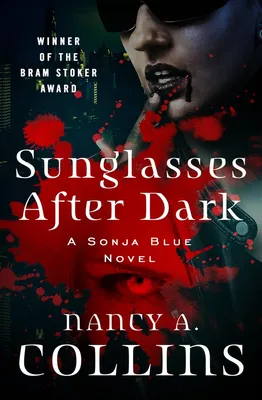
Nancy A. Collins was writing urban fantasy horror before it had a name. Sonja Blue is a vampire punk antihero who emerged fully formed in 1989 and still feels fresher than most of what the genre produces today. The fact that Collins isn't mentioned alongside Anne Rice is a crime.
Who it's for: Readers who want vampire fiction with actual teeth.
13. Bloodchild by Octavia Butler
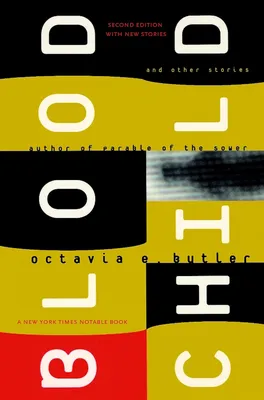
Humans live as a protected class on an alien planet, but the aliens need human bodies to host their parasitic larvae. Butler called it her "pregnant man story." Whether it's horror depends on your definition, but the body horror imagery and power dynamics will haunt you regardless.
Who it's for: Readers who think horror and science fiction should talk to each other more.
14. Outside the Dog Museum by Jonathan Carroll
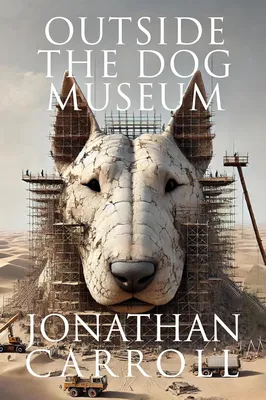
Jonathan Carroll writes magical realism with a disturbing edge, and somehow almost nobody talks about him. His early novels blur the line between wonder and dread so gracefully you don't realize you're unsettled until it's too late. This is a good place to start, though Sleeping in Flame and A Child Across the Sky are equally essential.
Who it's for: Readers who want horror that sneaks up on them sideways.
15. Body Shocks edited by Ellen Datlow
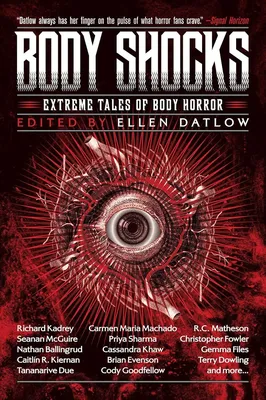
Ellen Datlow is arguably the greatest living horror anthology editor. Body Shocks collects the best body horror short fiction into one volume, and it's a masterclass in what the subgenre can do when taken seriously. If you only read one horror anthology this year, make it this one.
Who it's for: Short story readers who want curated excellence.
16. Fear by Ronald Kelly
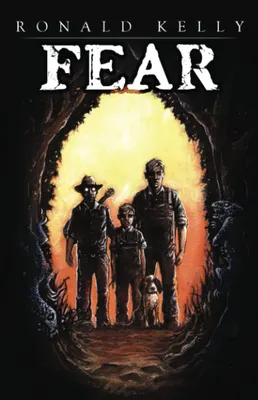
Southern gothic horror from an author who should be a household name. Ronald Kelly writes about rural terror with the kind of authenticity that comes from actually knowing the landscape. Fear is the book his fans press into your hands when you ask where to start.
Who it's for: Readers who think the South is scarier than any haunted house.
17. Evil Roots: Killer Tales of the Botanical Gothic
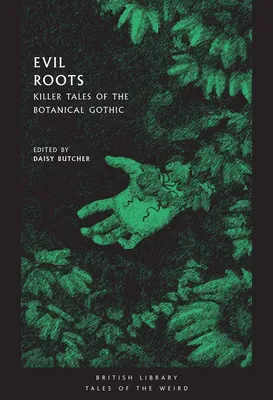
Part of the British Library of the Weird series, which collects rediscovered British horror, dark fantasy, and speculative fiction. This volume focuses entirely on killer plants. If that sounds niche, that's the point. The best horror lives in the margins.
Who it's for: Readers who want curated weirdness from the British horror tradition.
Start Somewhere Strange
Seventeen books. No Stephen King. No Shirley Jackson. No safe picks. Every title on this list exists because someone read it, couldn't stop thinking about it, and told exactly one other person about it. That's how the best horror spreads through whispered recommendations.
You don't need to read all of them. Pick the one that sounds the most uncomfortable and start there. Horror works best when it catches you off guard.
Continue Reading
14 Books With Plot Twists That Completely Blindside You
Not just "I didn't see it coming" — these are the twists that made readers physically put the book down, stare at the wall, and then immediately flip back to reread everything with new eyes.
15 Sci-Fi Horror Books Where the Science Is the Monster
When the experiment goes wrong, the AI wakes up, or the DNA splices itself into something new — these are the books that turn science into nightmare fuel.