Book recommendations, reviews, and reading lists.

Romance Books for Men (No Love Triangles, No Drama)
2026-03-23 · Written by Josh
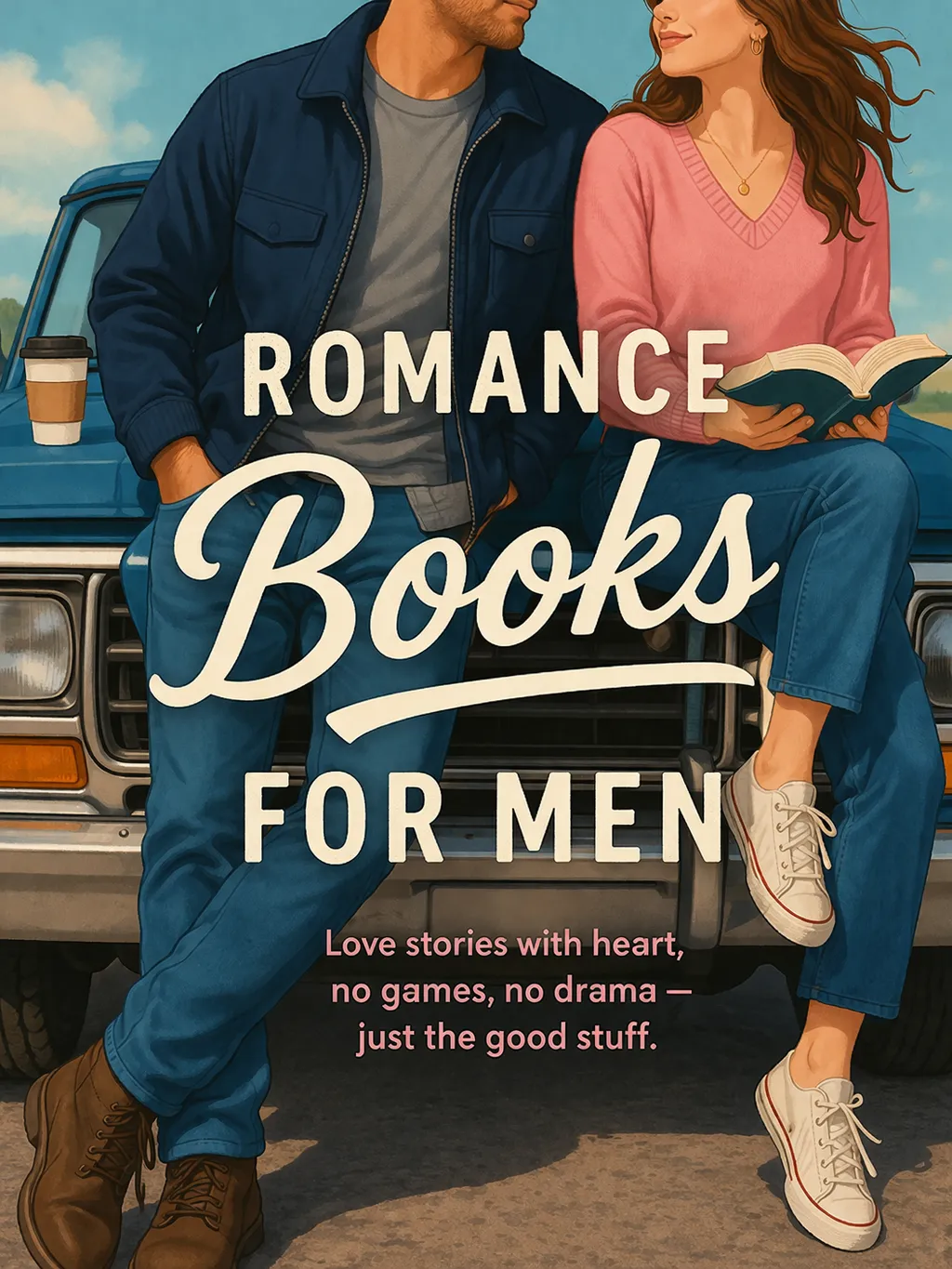
The Guy Who Secretly Loves a Good Love Story
There's a reader I know pretty well: he'll happily spend three weeks inside a fantasy epic with a cast of forty characters, but he picks up a romance novel and twenty pages in, someone's already cheating or pining for two people at once, and he puts it down and goes back to his Sanderson.
I get it. A lot of popular romance writing leans hard into manufactured drama — love triangles, misunderstandings that would evaporate with one honest conversation, and protagonists whose "flaws" are that they're too beautiful and too desirable. That's a valid genre. It's just not for everyone.
What I'm building here is a list for the fantasy and sci-fi reader who liked the relationships in their favorite books and wants to try something where the relationship is the book. These are romances where the couple is actually likable, the conflict is earned, and nobody's secretly in love with their best friend's boyfriend. Real people, real feelings, low nonsense.
1. The Flatshare by Beth O'Leary
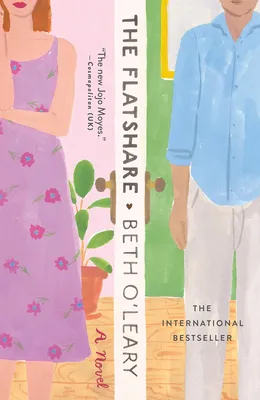
Two strangers share a tiny apartment on opposite schedules — she sleeps there during the day, he sleeps there at night — and fall in love entirely through handwritten notes. That's the whole setup, and O'Leary commits to it fully. What makes this work is that both leads are dealing with something real: she's leaving a controlling relationship, he's navigating a complicated family situation. It's warm without being saccharine and funny without trying too hard.
Who it's for: Readers who want their romance to unfold slowly, like a good epistolary novel, without any of the manufactured tension.
2. Just for the Summer by Abby Jimenez
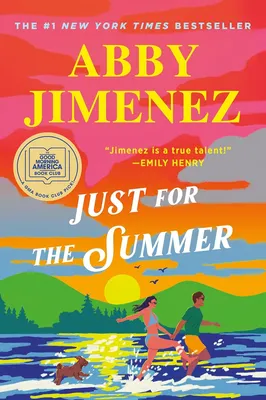
Two perpetually unlucky-in-love people make a deal: date each other just for the summer, on the theory that whoever they break up with always finds their real partner right after. Smart premise, and Jimenez actually delivers on it. The chemistry is natural, the banter earns its laughs, and the emotional beats hit without feeling manipulated. This is probably the most purely fun read on the list.
Who it's for: Anyone who wants something light and clever without feeling like they're reading a fantasy of physical perfection.
3. The Rosie Project by Graeme Simsion
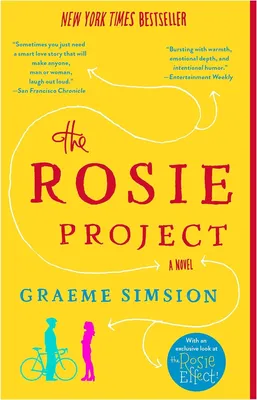
A genetics professor with a rigidly logical worldview decides to find a wife using a detailed questionnaire and immediately meets someone who fails every criterion. This one reads like it was written for people who don't normally read romance — the narrator's voice is genuinely funny, the premise is clever, and it approaches love from a completely unexpected angle. It's also one of the few romance novels where the male lead is the perspective character throughout.
Who it's for: Fans of socially oblivious protagonists (think The Curious Incident or early Sheldon Cooper) who want a love story with a brain.
4. The 7½ Deaths of Evelyn Hardcastle by Stuart Turton
Wait — no, wrong book. I mean The 7 Year Slip by Ashley Poston. A woman grieving her aunt discovers that the apartment she inherited slips between the present and seven years ago, and she keeps running into the same man at different points in time. It's quieter and more melancholy than most time-slip romances, and the grief subplot gives it real weight. The romance develops at an unhurried pace that never feels like stalling.
Who it's for: Readers who like their love stories tinged with something bittersweet — more About Time than The Notebook.
5. Paladin's Grace by T. Kingfisher
A paladin whose god died finds himself without purpose, and a perfumer with a complicated past finds herself in danger. The fantasy setting does real work here — it's not just a backdrop for the romance but shapes the characters and the stakes. Kingfisher writes emotionally mature adults who talk to each other like humans, which in genre romance is rarer than it should be. There's dry humor throughout, and the pacing is excellent.
Who it's for: Fantasy readers specifically — if you're already comfortable in genre fiction, this is the romance bridge you've been looking for.
6. The Song of Achilles by Madeline Miller
A retelling of the Iliad through the eyes of Patroclus, who grows up alongside Achilles and loves him. It's both a war story and a love story, and Miller doesn't let either cancel the other out. The writing is genuinely beautiful — not in a purple-prose way, but in the way that makes you slow down. You know from the beginning how it ends and you read it anyway, hoping. This is the book people press into your hands and say "trust me."
Who it's for: Literary fiction readers and mythology fans who want something emotionally devastating in the best possible way.
7. Ready or Not by Cara Baxter
Despite a setup that looks like it's heading straight for a love triangle, it doesn't go there. Two people, a real situation, and a story that respects the reader enough not to introduce manufactured competition to generate tension. It's a warm, grounded read that delivers on the promise of its premise without the usual genre detours.
Who it's for: Readers who've been burned by love triangles before and want a book that promises no and actually means it.
8. The Time Traveler's Wife by Audrey Niffenegger
Henry time-travels involuntarily — he disappears without warning, lands somewhere in his own timeline, and comes back. The love story between Henry and Clare is built around this impossibility and what it costs them both. It's a structurally ambitious novel that happens to be a romance, and the non-linear timeline rewards attentive readers. Less cozy than the others on this list, but undeniably one of the most original love stories written in the last few decades.
Who it's for: Sci-fi readers who want a literary romance that takes its impossible premise seriously.
9. The Bromance Book Club by Lyssa Kay Adams
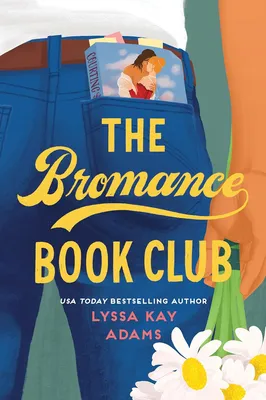
A baseball player's marriage is falling apart and his teammates — who secretly run a romance novel book club — decide to help him save it by making him read the genre and actually learn something. Meta, funny, and surprisingly sincere. The book-within-a-book structure is clever without being precious, and the core relationship (two people trying to repair something worth saving) is more emotionally complex than most romance setups.
Who it's for: Anyone who'd feel self-conscious picking up a romance novel — this one acknowledges the awkwardness and then asks you to take it seriously anyway.
10. The Ornithologist's Field Guide to Love by India Holton
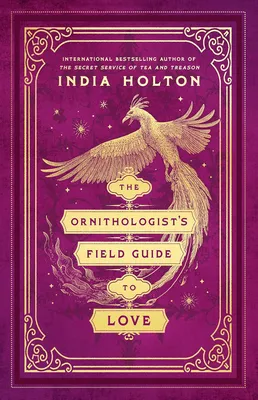
Victorian birders, academic rivalries, and a romance built between two people who are aggressively trying not to fall for each other. Holton's writing is light and witty. The humor is in the prose itself and the world-building (yes, there's a little magic here) is charming without overwhelming the story. It's the kind of book that makes you smile involuntarily on the train.
Who it's for: Readers who want their romance to feel like a drawing room comedy — sharp, playful, and warm underneath.
11. Kate Daniels series by Ilona Andrews
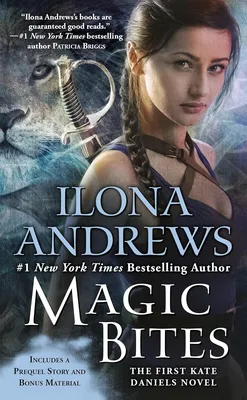
Technically urban fantasy, but the romance is central to the whole series and it's developed over multiple books without cheap delays or love triangles. Kate and Curran's relationship evolves in ways that feel earned rather than engineered. Worth knowing: Ilona Andrews is a husband-and-wife writing duo, which might explain why the romantic dynamic feels genuinely mutual — neither character exists just to adore the other.
Who it's for: Fantasy readers who want to commit to a series where the romance grows alongside the plot instead of being resolved in book one and forgotten.
Where to Start If You're New to Romance
If you've never read in the genre before, I'd start with The Rosie Project — it reads like mainstream fiction with a love story at the center, which is a gentle entry point. From there, Paladin's Grace if you want to stay in genre fiction, or The Flatshare if you want something contemporary and cozy.
The common thread across all of these is that the characters behave like adults. They have real problems that aren't solved by manufactured misunderstanding, and the emotional payoff at the end is earned rather than handed to you. That's the version of romance worth reading — and there's more of it out there than the genre's reputation suggests.
Continue Reading
14 Best Books About Female Rage
For most of literary history, women's anger was written as madness or villainy. These 14 books reclaim rage as power — from feral motherhood to literal dragons.
ACOTAR Is Not Porn (And That Says More About You Than the Books)
Calling ACOTAR "fairy porn" reveals a specific kind of cultural illiteracy — and the people spreading the label are often the ones who've never read it.