Book recommendations, reviews, and reading lists.

Why Starting a New Book Feels Like a Chore
May 09, 2026 · Written by Josh
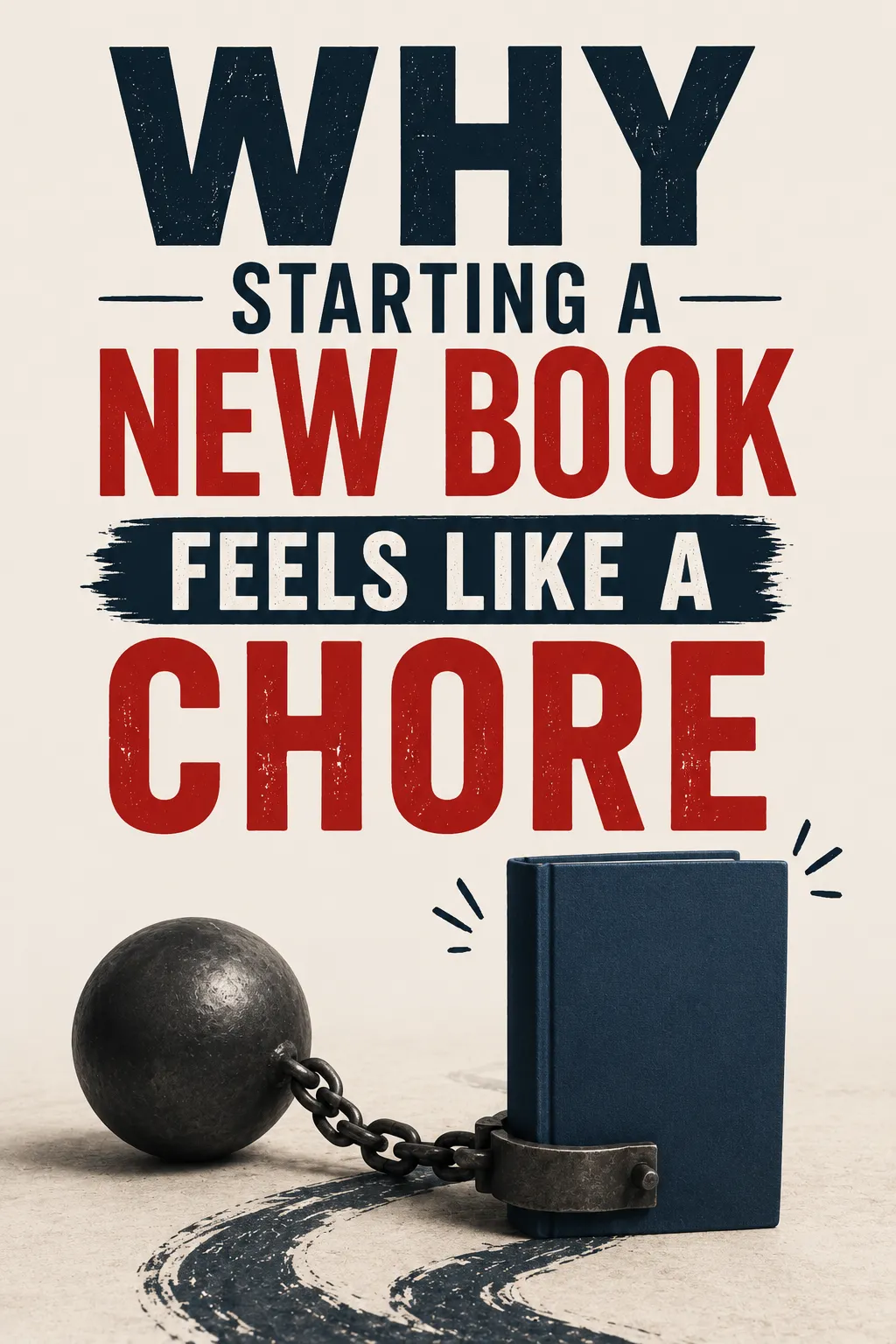
I Love Reading, But Starting a New Book Makes Me Want to Do Anything Else
I stumbled across a Reddit thread recently that felt like someone had cracked open my skull and transcribed the contents. The original poster had just hit 75 books for the year—and they confessed, with genuine exasperation, that they hate starting new books. Not reading in general, not the act of turning pages, but the specific, friction-filled moment of crossing from “book I finished” to “book I haven’t met yet.” Their happy place, they said, was the middle. The backstory’s out of the way, the main character is finally showing some growth, the world feels lived-in, and most importantly, the plot is plotting. That’s where they want to live forever.
I get it. So much. There’s a certain exhaustion that comes with finishing a book you loved and then staring down your TBR like it’s a stack of job applications. You’re supposed to be excited—you have all these unread treasures waiting—but instead you feel the gravitational pull of a reading slump. It’s not that you don’t want to read. It’s that you don’t want to start. Starting means orienting yourself in a new world, learning names and rules, building emotional investments from scratch, and doing all of that without the reward of knowing it’ll actually pay off. It’s the reading equivalent of packing for a trip: you know the vacation will be amazing, but right now you have to fold shirts and find your passport, and that part is a chore.
The Mental Work Is Real, Not Laziness
One commenter in that thread hit on something that reframes the whole experience: starting a new book takes mental work. You’re learning the setting, the premise, the narrative voice. You’re building a mental model of who these people are and why you should care. That’s active cognitive effort, and it’s mildly taxing in a way that the middle of a book simply isn’t. Once you’re fifty or a hundred pages in, you’re coasting downhill. The backstory’s been downloaded, the characters feel like people you know, and reading becomes immersive rather than construction-work.
This is why so many readers gravitate toward long series. Not (just) because they want more plot, but because they want to skip the onboarding process. Every book after the first in a series lets you walk back into a world you already understand. You’ve done the heavy lifting. Now you get to play. The same logic applies to rereading old favorites, to staying in the same author’s interconnected universes, to the specific comfort of picking up a book where you already know the twist but you’re here for the texture. It’s not laziness—it’s your brain preferring the well-worn path to the one that requires a machete.
There’s also the emotional gamble. At the start, you don’t know if you’ll even like the book. That uncertainty is an anxious little hum in the background of every first chapter. You’re investing time and attention into something that might let you down. Compare that to the middle of a book you’re already enjoying: the emotional risk has been cleared, and you’re just riding the wave. The beginning asks you to commit without proof. That’s a leap of faith, and some days you just don’t have the legs for it.
But Some People Run Toward New Books
Of course, not everyone shares this affliction. For every reader nursing a book hangover and avoiding the next title, there’s someone who lives for the thrill of a clean first page. I’ve seen readers describe the start as their favorite part—the jolt of possibility, the unknown voice, the chance to fall in love all over again. Others, particularly those with neurodivergent brains that crave novelty, find the middle a slog and abandon series after the first book because the predictability sets in. One reader in that same Reddit thread mentioned they can’t do long series at all; they’re well into the 200s of books completed this year, mostly standalones, because the constant newness is what keeps them engaged.
I envy these people some days. They look at a fresh TBR and see a buffet; I see a to-do list. But I don’t think either disposition is wrong. Reading tastes are as personal as fingerprints. The problem arises when you internalize the idea that a “real” reader should be excited to start every book, and that if you’re dragging your feet, something is broken. It’s not broken. Some of us just need a little more momentum to get rolling.
The Middle Is Where the Magic Happens (Literally)
There’s a reason the middle of a series feels like home. By that point, you’ve formed what psychologists might call a parasocial bond with the characters. They’re not just words anymore; they’re people you have feelings about. The world has solidified into a place you can mentally inhabit without effort. The narrative stakes have been established, so every new development lands with full emotional weight. That’s the payoff for the upfront cost of starting. It’s why readers binge entire trilogies in a week after hemming and hawing for a month over whether to pick up book one.
This dynamic also explains the particular brutality of the post-series slump. Finishing a series you loved isn’t just sad because the story’s over—it’s disorienting because you’ve been evicted from a mental space you’d fully furnished. Now you have to go find a new empty apartment and build everything from scratch again. No wonder it takes a few days (or weeks) to muster the energy. One reader mentioned they need a couple of days between finishing and starting a new book, and they had no idea why. Now they do: it’s grief, and it’s also the mental equivalent of catching your breath before the next climb.
What’s interesting is that this “startup cost” theory also helps explain comfort reading. When life gets stressful, people often retreat to books that are well below their usual reading level or to stories they already know by heart. It’s not about intellectual challenge; it’s about zero-friction immersion. You’re not learning anything new, so your brain can just soak in the familiar. One reader described picking up a lighthearted fantasy series when their life was in turmoil—something they’d never touch under normal circumstances—because starting a dark, complex new book when your emotional reserves are depleted is like trying to run a marathon with a broken leg. That’s not a failure of taste. It’s smart energy management.
The First-Chapter Problem and the DNF Liberation
All of this startup anxiety gets compounded by the “first chapter” judgment culture. We’ve been trained to decide quickly whether a book is worth our time, and yet the books that end up mattering most often take their sweet time getting going. I’ve read some advice that suggests giving a book 50 pages, or 100 pages, or 10% of its length before you bail. But those numbers are arbitrary; a slow-burn epic that needs 200 pages to set up its dominoes can feel interminable if you’re measuring it against a thriller that hooks you in the first paragraph.
What makes this worse is the guilt around DNFing. Plenty of readers (myself included, at times) can’t stand leaving a book unfinished, even if they actively dislike it. So the prospect of starting a new book isn’t just “will I enjoy this?” but “am I about to sign a contract with this book for the next week, whether I like it or not?” That’s a terrifying proposition. The people who have learned to DNF without remorse—to treat starting a book as a low-stakes trial—seem to have a much easier time diving in. If you know you can walk away after 30 pages, the initial commitment doesn’t feel as heavy. The chore becomes an experiment instead of a hostage situation.
Books That Come Up in This Debate
Certain books and series get mentioned constantly in these conversations because they’re boot camps for startup resistance—or because they’re the antidote.
The Realm of the Elderlings by Robin Hobb, starting with Assassin’s Apprentice, is a masterclass in slow-building payoff. The first hundred pages of almost every book in this series feel like walking uphill both ways, but readers who push through emerge evangelical about the emotional devastation waiting on the other side. The Liveship Traders trilogy, particularly Ship of Magic, gets cited as a hard start that’s absolutely worth it.
The Four Kingdoms Series by Melanie Cellier gets name-dropped as a comfort-reset button: light, formulaic, exactly what you need when starting anything new feels impossible and your brain just wants a soft place to land.
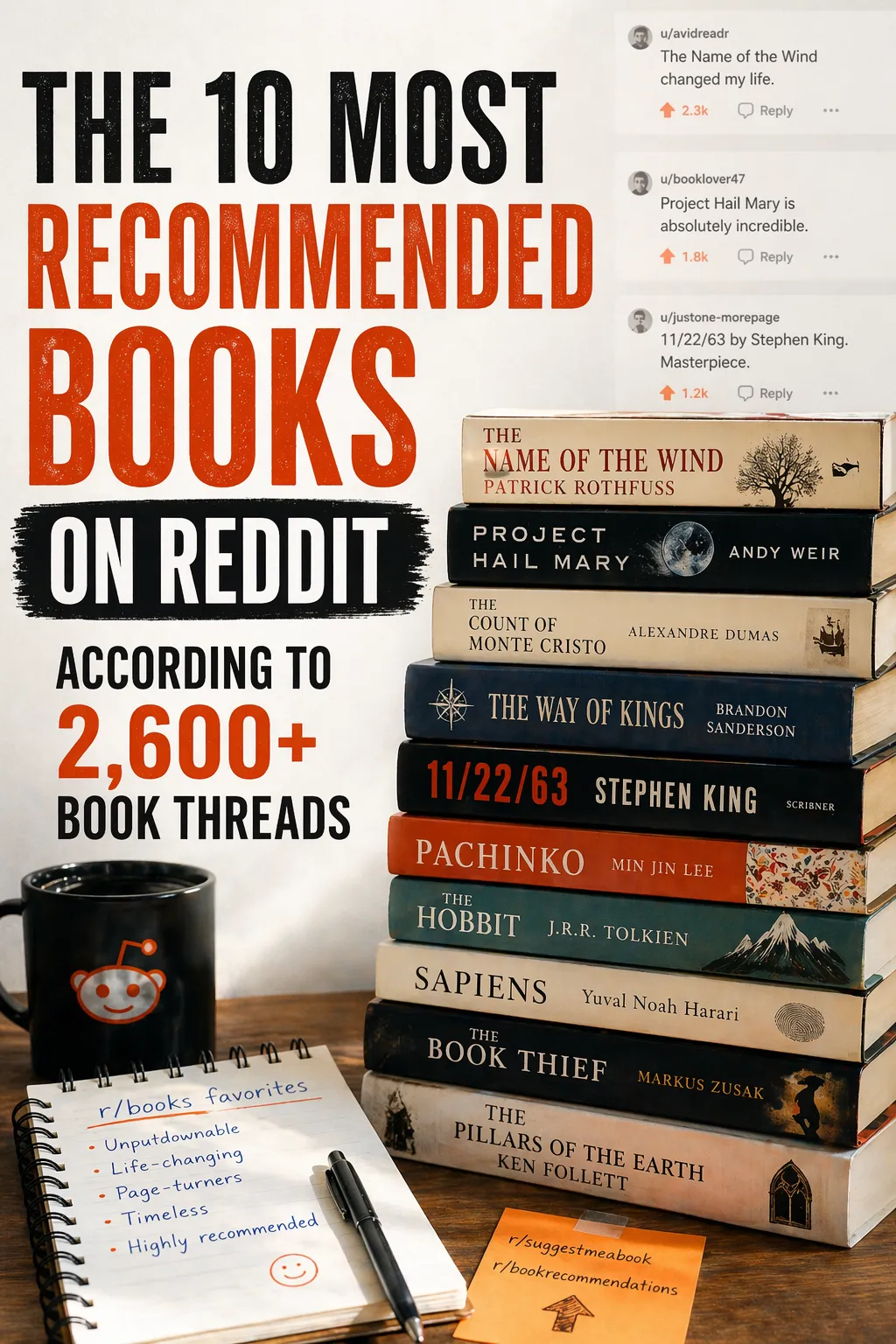
Project Hail Mary by Andy Weir is the opposite—a book that grabs you by the collar in the first chapter and runs. For readers who need immediate proof that the investment will pay off, stories like this are a godsend.
Discworld, particularly Terry Pratchett’s later books, works as a cheat code because you can drop into the world without needing to read in order; you already trust the author’s voice, so the cognitive load is halved.
And the Wayfarers series by Becky Chambers offers that rare combination of a fully realized world that also feels immediately welcoming, like a warm bath you can slide into without any adjustment period.
Starting Is a Chore, But It’s the Price of Admission
So here’s where I land: yes, starting a new book can feel like a chore, especially when you’re coming off something you loved or when life is already asking a lot of you. That feeling isn’t a character flaw or a sign that you’ve lost your reader’s edge. It’s a completely rational response to the mental energy required to build a new world in your head from scratch. And the more you read, the more you recognize that cost—which is why avid readers sometimes balk harder than casual ones.
The trick, I think, is to stop expecting yourself to leap joyfully into every new book and instead treat starting as something you just have to get through. Like doing the dishes, the hardest part is the first thirty seconds. One commenter in that Reddit thread compared it to tricking yourself into beginning a chore: you don’t want to, but once you start, momentum carries you. With books, the reward is substantially better than clean dishes. You just have to get your hands wet.
Give yourself permission to DNF. Give yourself permission to reread old favorites when a new book feels like too much. Give yourself permission to read things that are “below your level” when you’re running on fumes. Your reading life is a long game, and you don’t win a prize for suffering through every first chapter with a grimace. Sometimes the best way to fall in love with a book is to trick yourself into starting it on a Tuesday afternoon with no expectations, and then suddenly it’s Thursday and you’re 300 pages deep and wondering why you ever hesitated.
The middle is waiting. You just have to walk through the door.
Continue Reading
Every 'Best Classics' List Is Wrong (Here's What to Do Instead)
Most "classics" lists are Anglocentric, weirdly arbitrary, and quietly designed to make you feel like you're reading wrong. Here's a better framework.
The 10 Most Recommended Authors on Reddit, According to 2,600+ Book Threads
I analyzed over 2,600 Reddit threads about books and ranked the authors readers actually push people toward. The results are surprising and not what any best-of list would predict.