Book recommendations, reviews, and reading lists.

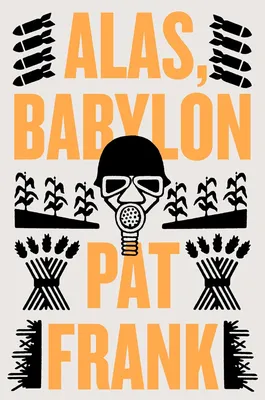
Alas, Babylon
by Pat Frank
| Published | 1976 |
| Pages | 324 |
| Categories | Fiction |
| Google Rating | 4.5/5 (10 ratings) |
What Readers Say
Alas, Babylon tends to find readers in high school and never fully let them go. The thing people mention most consistently is its tone — this is nuclear war fiction that somehow manages to feel hopeful, almost pastoral, as a small Florida town scrapes together a new civilization from what's left. That optimism is unusual enough in the genre that it's genuinely disorienting. Readers who bounce off grimmer post-apocalyptic fare often find this one easier to love for exactly that reason.
The flip side is a criticism that comes up every single time: the book is deeply marked by 1959. The casual racism and the treatment of women aren't subtle, and returning readers who loved it in high school often note the whiplash of re-encountering those elements as adults. The consensus seems to be that it still works as a story — that the survival-and-rebuilding arc is compelling enough to carry it — but it's not a book I'd hand to someone without a heads-up.
What surprises people is how well-remembered the specific details are. Multiple readers describe coming back to it decades later and finding scenes they'd never forgotten. That kind of lingering resonance usually means the book got something right at the level of atmosphere and feeling, even if it hasn't aged evenly.
Who It's For
This is for readers who want post-apocalyptic fiction focused on community and rebuilding rather than violence and despair — and who can meet a 1959 novel on its own terms.
Reading Context
Alas, Babylon sits at the foundation of American nuclear fiction. It came out in 1959, and it's one of the earliest novels to treat nuclear survival as a story worth telling rather than just a horror to contemplate. Neville Shute's On the Beach (1957) covers similar ground from the opposite direction — pure resignation — so reading them together shows the full range of how the era processed the bomb.
Readers who want to stay in the same vein often get pointed toward Earth Abides by George R. Stewart for the quiet, philosophical strand, and Warday by Whitley Strieber and James Kunetka for a more journalistic take on the aftermath.