Book recommendations, reviews, and reading lists.

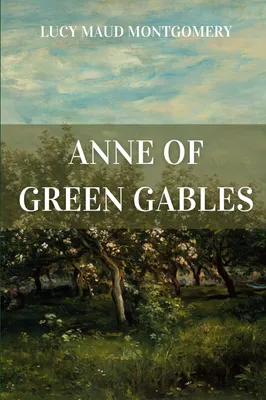
Anne of Green Gables
by L. M. L. M. Montgomery
| Published | 2017-03-28 |
| Pages | 352 |
| ISBN | 9781520842837 |
What Readers Say
The word that comes up again and again for Anne of Green Gables is "comfort" — not in a soft, vague way, but with real conviction. Readers call it their anxiolytic read, their go-to when they're feeling low or hopeless, the book they've read a hundred times and would read a hundred more. What surprises people is how that comfort doesn't come from the book being shallow. Multiple readers note that it's "humorous, sweet, and with surprising depth" — they come for the cozy and stay for something they can't quite name. One reader described it as teaching her fortitude in the face of difficult circumstances. That's not what most people expect from a story about an orphan girl and a farm in Prince Edward Island.
The praise is consistent: Anne's sheer enthusiasm for being alive is infectious. Readers talk about her "zest for life," her ability to find beauty in everything, the way the book makes the world feel like a place worth inhabiting. Montgomery's landscape descriptions pull a lot of this weight — the writing about Prince Edward Island feels genuinely alive, not like set dressing. The criticism, when it exists at all, is mild: some readers dismiss it too quickly as a children's book before realizing what they're missing. The "I regret putting this off for so long" feeling is real and documented. One reader admitted she assumed it was overrated for years before finally reading it and being completely won over.
What surprises people most is how differently the book reads at different life stages. Adults who loved it as children find new layers in it; adults who never read it as children find themselves wishing they had. A few readers who came to it late in life said it hit harder, not softer — the hopefulness felt more earned when you're old enough to know what it's up against.
Who It's For
If you loved Little Women and want something in that same warm, character-driven register but with a lighter touch, Anne of Green Gables is the obvious next read. It consistently gets recommended alongside The Secret Garden by Frances Hodgson Burnett and Montgomery's own The Blue Castle — all three share that quality of making you feel like the world is richer and stranger and more beautiful than you remembered. It also gets paired with A Tree Grows in Brooklyn, which is a good signal: readers who respond to stories about young girls finding their footing through imagination and sheer force of will tend to love both.
This book has a wide remit. It's been recommended to non-readers just getting started, to adults who read almost nothing but YA, to men who just finished Little Women and wanted to go further, to people going through genuinely hard times who needed something that felt like a safe space. The one reader type who might bounce off it: people who need plot-driven momentum. This is not a propulsive book. It accumulates.
Reading Context
There's a whole series, and readers are emphatic that you shouldn't stop at book one. The later books follow Anne into adulthood, marriage, and wartime — Rilla of Ingleside, the eighth book, is considered a significant piece of WWI historical fiction in its own right, and the only contemporary account of women's life on the Canadian home front during the war. The series grows with its protagonist in a way that rewards continuing.
There are two adaptations worth knowing about. The 1980s CBC miniseries with Megan Follows has a devoted following and holds up well — readers who have seen it mention it alongside the books without hesitation. There's also a more recent series, Anne with an E, which takes the material in a darker direction; readers tend to have strong feelings either way. The book itself is public domain and freely available via Project Gutenberg and Librivox — multiple readers mention listening to the audiobook as a way into the series, and the prose reads aloud beautifully. Montgomery writes in a style that has been compared to Miyazaki films: no fantasy, just an intense and generous attention to the ordinary world that makes it feel magical.