Book recommendations, reviews, and reading lists.

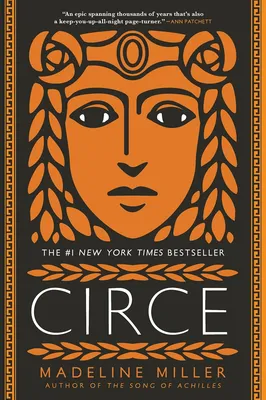
Circe
by Madeline Miller
| Publisher | Gramedia Pustaka Utama |
| Published | 2022-12-23 |
| Pages | 409 |
| ISBN | 9786020665931 |
| Categories | Young Adult Fiction |
What Readers Say
The word that comes up more than any other when readers talk about Circe is "beautiful" — and they mean it on multiple levels. The prose is genuinely lyrical without being precious, the kind that slows your breathing down and makes you want to read passages twice. But what surprises people is that the beauty doesn't get in the way of the story. Readers consistently describe finishing it fast, burning through it in two or three sittings despite the unhurried pace.
The emotional core that keeps coming up: this is a book about someone discarded finding out she's enough. Circe starts overlooked, neither powerful like her father nor alluring like her mother, exiled to an island because the gods find her inconvenient. What follows is a slow, determined process of a woman building a life on her own terms — through witchcraft, through solitude, through refusing to be anyone's footnote. Readers who came for Greek mythology often say the rage in this book surprised them. It isn't explosive. It's architectural.
A significant number of readers say they preferred it to The Song of Achilles — not because one is better, but because Circe's story sits differently. It's more interior, more about becoming than about loss. Several people describe the solitude as genuinely peaceful rather than sad, which is unusual: one reader put it that when they think back on the book, they don't think of it as romantic at all, just Circe alone on her island, and that's the part they loved most.
The audiobook narrated by Perdita Weeks has its own devoted following. Multiple readers mention listening to it twice.
The honest criticism: some readers find it slow to start, and the episodic structure — Circe moving through mythological encounters one by one — can feel loose compared to a tightly plotted novel. A few readers also note that while the prose is stunning, the plot is secondary to the character study. If you need a strong external story engine, this might test your patience in the first third.
Who It's For
Readers who loved Piranesi and need a book with the same qualities — a kind, earnest narrator, a world that feels both beautiful and sometimes cruel, prose that makes you feel like you're inside something singular. Circe consistently turns up in those recommendations because it delivers the same experience of being held by a book rather than just moved through it.
Also: anyone who wants a story about a woman that doesn't hinge on romance, even though there is some. The relationships with men exist on Circe's terms and are never the center. This makes it a go-to recommendation when someone asks for books about strong women where love isn't the endgame.
And readers going through hard things — grief, loss, burnout, a period of being underestimated — reach for this one specifically. It shows up in threads about depression, about loneliness, about losing a partner. The combination of mythology as escapism and a protagonist who is quietly, stubbornly surviving something resonates in a particular way during those periods.
Reading Context
Circe and The Song of Achilles are treated as a natural pair. The common path is to read one immediately after the other, though they're very different books — Song of Achilles is a love story that will wreck you, Circe is a character study that will leave you thinking. Readers who loved Song of Achilles and were nervous Circe wouldn't measure up consistently report being wrong.
The feminist Greek mythology retelling genre has exploded since Circe, and readers who finish it tend to go straight to Jennifer Saint's Ariadne (Circe's niece's story) and The Silence of the Girls by Pat Barker. The Penelopiad by Margaret Atwood comes up regularly. For something more unusual, The Witch's Heart by Genevieve Gornichec and Till We Have Faces by C.S. Lewis are both mentioned by readers looking for a similar mythological register.
One crossover that surprises people: Circe appears in Miyazaki recommendations. Specifically Spirited Away and Princess Mononoke — something about the way it treats spirits and non-human beings, and the otherworldly texture of its world.