Book recommendations, reviews, and reading lists.

Discworld
by Glen Edridge
| Published | 1995 |
What Readers Say
Nobody just recommends Discworld — they press it into your hands with the urgency of someone who needs you to understand something. Reddit readers call it "the funniest, cleverest, most human stories you can imagine," and that phrase keeps appearing across completely different threads, from people burned out on healthcare to readers sheltering from literal bombing. The humor is satirical and sharp, but underneath the puns and the flat-world cosmology is what one commenter described as a "philosophical pragmatic optimism" — a genuine argument that kindness and decency matter, made through comedy. The books are rereadable in a way few series are: go back after reading more of the Disc and there's something new every time.
Who It's For
If you came to Pratchett through Good Omens or Hitchhiker's Guide, you already know what you're getting — both are essentially a door into this world. Discworld is the answer when someone asks for something funny that doesn't insult your intelligence, something comforting that doesn't go syrupy, or something with strong female characters that doesn't have to announce itself. It's also the go-to recommendation for people going through genuinely hard things: burnt out, grieving, depressed, or dealing with something impossible. The Tiffany Aching sub-series (starting with The Wee Free Men) is the YA branch and works beautifully for teen readers and adults alike.
Reading Context
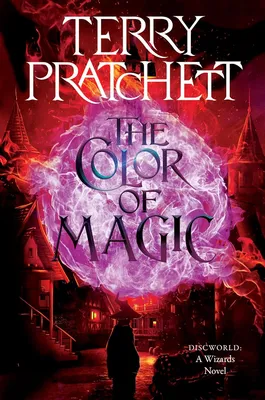
One thing every Discworld reader agrees on: don't start with The Colour of Magic. It's the first published book but the weakest entry point. The consistent Reddit starting recommendations are Guards! Guards! (the City Watch arc, good if you like police procedurals or just want a reliable door in), Mort (Death takes on an apprentice — Death is Pratchett's best character), and Small Gods (a standalone about faith and power that needs no prior Disc knowledge). The books are loosely interconnected but mostly standalone — you can drop into any sub-series cold. There are 40-plus novels, and readers consistently say they get better as the series goes on. The hidden cultural note: when fans write "GNU Terry Pratchett," it's from Going Postal — a character's name kept alive in the coding of the in-world telegraph system, the books' own answer to how you keep someone alive after they're gone.