Book recommendations, reviews, and reading lists.

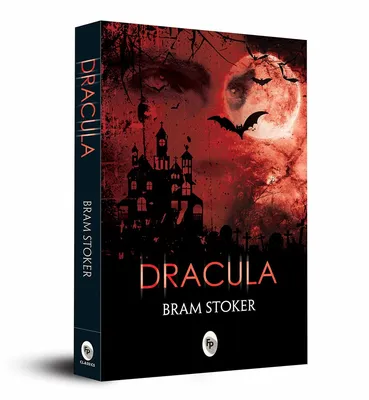
Dracula
by Bram Stoker
| Publisher | DigiCat |
| Published | 2022-11-13 |
| Pages | 407 |
| Categories | Fiction |
What Readers Say
I keep running into the same reaction when people finally sit down with the actual novel: surprise. Not that it's good — they expected that — but that it's this good, and this strange, and nothing like they anticipated. The epistolary format is the thing that consistently catches readers off guard. Letters, diary entries, newspaper clippings — the story builds through documents, which creates this odd intimacy. You're not watching events unfold; you're reading the private records of people trying to survive them.
The pacing debate is real and it's been going on since the Victorian era. A meaningful number of readers find sections of it genuinely slow, with repetition that tests patience, and character decisions that beg questions. That's a fair read. But the readers who push through consistently report that the atmospheric accumulation is the point — that it earns its weight. Mina Harker in particular gets named again and again as the emotional core people weren't expecting to care about. Lucy's transformation disturbs people in a way that lingers. The Count's arrival in Whitby on a death ship is the kind of image that sticks with you whether you want it to or not.
The other consistent thread is how much richer this is than any adaptation. The movies have been doing Dracula for over a century, and almost all of them miss what makes the book actually unsettling — which isn't the vampire himself, but what his presence does to the people around him.
Who It's For
This is the book for readers who've consumed every Dracula adaptation, retelling, and reimagining and never gone back to the source — and who suspect, correctly, that something got lost along the way. If you've read Frankenstein and want to keep moving through the Victorian gothic canon, this is the obvious next stop.
It also works well for readers drawn to the epistolary format — those who find something uniquely compelling about stories told through documents rather than narration. If you loved the found-footage quality of how a story can be assembled from fragments, this is where that impulse lives in classic literature.
I'd also point it toward readers who care less about plot mechanics and more about atmosphere and theme — the invasion anxiety, the sexuality coded into the horror, the collision of rationalist Victorian modernity with something that refuses to be explained away. There's a lot going on beneath the surface for readers who want to go looking.
Reading Context
The Dracula Daily newsletter is worth knowing about — it distributes the chapters on the actual calendar dates they occur in the novel, starting May 3rd, so you experience the story in real time across several months. A lot of readers describe it as transforming the pacing problem into an asset. If you've tried the novel and stalled, that might be the format that works.
For anyone reading in a streak of Victorian gothic, the natural companions are Frankenstein, The Strange Case of Dr Jekyll and Mr Hyde, and Carmilla — the latter being the novella that predates Dracula by 26 years and is considerably stranger and more sensual. If you finish Dracula and want to go deeper into the world it spawned rather than backward into its influences, The Historian by Elizabeth Kostova picks up the epistolary torch and runs with it across Eastern Europe in a way that rewards patient readers.