Book recommendations, reviews, and reading lists.

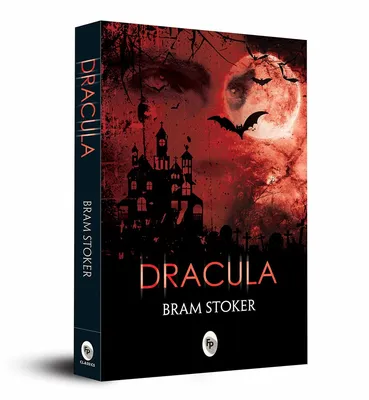
Dracula
by Bram Stoker
| Publisher | DigiCat |
| Published | 2022-11-13 |
| Pages | 407 |
| Categories | Fiction |
| Google Rating | 0.0/5 (0 ratings) |
What Readers Say
What comes up again and again with Dracula is the epistolary format — the letters, journal entries, and newspaper clippings that make up the entire novel. Readers who go in not knowing what they're getting into are consistently surprised by how intimate and immediate it feels. The sections from Mina Harker's perspective keep getting singled out as unexpectedly moving, and multiple readers note that the blood-transfusion scenes hit differently than they expected given the vampire trappings.
The honest criticism is just as consistent: it's a slog. Readers call out the pacing, the repetition, and Van Helsing specifically as sources of frustration. One highly-upvoted comment put it plainly — "a slog... too much repetition and some very questionable decisions by the characters." The Frankenstein-vs-Dracula debate is practically a Reddit institution at this point, with passionate defenders on both sides. But even people who prefer Frankenstein tend to acknowledge that Dracula is doing something more interesting than its reputation suggests. The deeper themes — invasion, disease, the fear of the foreign body — come up repeatedly from readers who weren't expecting that kind of density from a Victorian horror novel.
What genuinely surprises people is the emotional weight. It's recommended for dying people, for people in crisis, for people who love Gothic atmosphere — not as comfort reading, but as something that takes mortality seriously. Dracula Daily, the newsletter that sends chapters on their in-story dates, gets mentioned constantly as the best possible way to read it.
Who It's For
Readers who want to understand where the vampire myth actually came from — not the sparkly versions, not the sexy versions, the original anxious Victorian version about what happens when the old world invades the new. If you've watched every Dracula adaptation and want to see what they're all working from (and often getting wrong), this is the source text. Also for readers in a gothic literature phase — the Jane Eyre, Frankenstein, Wuthering Heights pipeline leads here naturally.
Reading Context
The obvious pairing is Frankenstein by Mary Shelley — they're the two defining texts of 19th century horror and readers debate them endlessly. The Historian by Elizabeth Kostova is the most common "if you loved Dracula" recommendation, described as The Da Vinci Code with Dracula but actually well-written. The Dracula Daily newsletter (draculadaily.com) sends the text in real time on the dates from the novel, starting May 3rd each year, and readers consistently say it's a transformative way to experience the story. The story is also in the public domain and freely available, which gets mentioned approvingly in almost every thread.