Book recommendations, reviews, and reading lists.

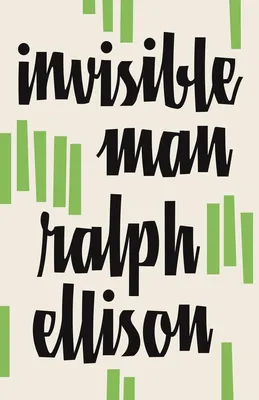
Invisible Man
by Ralph Ellison
| Publisher | WWW.Snowballpublishing.com |
| Published | 2010-05-20 |
| Pages | 348 |
| ISBN | 9781607962526 |
What Readers Say
The opening paragraph gets 523 upvotes in a "make me want to read your favourite book with one quote" thread: "I am an invisible man... I am invisible, simply because people refuse to see me." One reader says "this book DESTROYED me." Another calls it "one of the best novels I've ever read" and notes the symbolism is powerful but "not always clear exactly what Ellison is trying to say with it" — and for them, that added to the novel. It appears on every Black authors classics list, usually in the first three entries, alongside Native Son and Black Boy. The blog post for James puts it directly: "Ellison built the room he's working in."
Who It's For
Readers who want to understand where Percival Everett, James McBride, Colson Whitehead, and the entire tradition of contemporary Black American literary satire comes from. The novel follows an unnamed Black man from the South to New York, through a mixed-race political organization called "The Brotherhood," and toward a slow, terrible understanding of how he has been used by everyone who claimed to see him. It's about race in America, but Ellison himself resisted that narrowing — it's also about the human search for identity and the impossibility of knowing what's true.
Reading Context
Read it before or after Erasure by Percival Everett — Erasure is in direct conversation with the tradition Invisible Man established. Richard Wright's Native Son and Black Boy are the other essential texts in the same period. James Baldwin's The Fire Next Time is the companion essay from the same era — both writers were working the same territory in different registers.