Book recommendations, reviews, and reading lists.

Man's Search for Meaning
by Viktor Emil Frankl
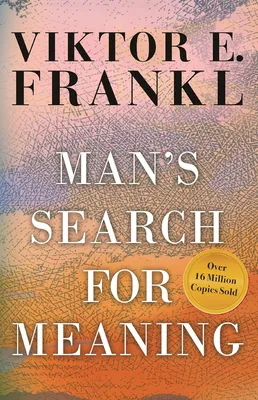
| Publisher | Pocket Books |
| Published | 1963 |
| Pages | 256 |
| Categories | Concentration camps |
| Google Rating | 5/5 (1 ratings) |
What Readers Say
The most consistent thing people say about this book is that it changed something in them that they can't fully articulate. They reach for words like "life-changing" and "profound" and then immediately acknowledge those words aren't enough. What comes up again and again, across hundreds of discussions, is the specific quality of the change: not that readers felt better, but that they started thinking differently about what "better" even means. People describe finishing it and then sitting with it for years — one person said they still think about it twenty years later. That kind of staying power is rare.
The common criticism is real, and worth naming: the first half is brutal. Readers who went in hoping for uplift were genuinely blindsided by how heavy the Holocaust memoir section is. Some had to put it down and take breaks. A few felt it made them more depressed before it made them anything else. The pivot into logotherapy in the second half is where the book earns its reputation, but you have to get through the darkness first — and not everyone feels ready for that when they pick it up. Readers who came to it during crisis had very mixed results depending on where they were emotionally.
What surprises people most is how unself-helpy it actually is. Readers expecting something prescriptive — steps, frameworks, affirmations — get something closer to philosophy told through memoir. There's a Frankl quote that circulates constantly: "When we are no longer able to change a situation, we are challenged to change ourselves." That line lands differently after you've read what situation he was actually in. The book earns its conclusions.
Who It's For
This is the book I'd hand to someone who's secular, meaning-hungry, and tired of wellness language. If you've bounced off religious frameworks for finding purpose but also find purely materialist answers hollow, Frankl offers something that doesn't require either — he built his philosophy inside the worst possible laboratory. It's also genuinely useful for people going through something hard, though I'd be cautious recommending it to anyone in acute crisis who needs comfort first. This is not a comforting book. It's a clarifying one.
Readers who love Night by Elie Wiesel or The Diary of a Young Girl will find it fits naturally alongside those — it's Holocaust literature first, philosophy second. If you're coming from the self-help world and loved The Subtle Art of Not Giving a F*ck or Atomic Habits, this is a much older and much harder book that covers some of the same territory about what actually matters, but without the modern packaging.
Reading Context
This book pairs most naturally with other secular books about meaning and suffering. Readers frequently mention it alongside When Things Fall Apart by Pema Chodron for a Buddhist-adjacent perspective, and Siddhartha by Hermann Hesse for fiction that covers similar existential ground. People who've been assigned this in philosophy or psychology courses often come back to it later in life and find it reads completely differently.
One practical thing worth knowing: the book is short — around 150 pages of actual text depending on the edition — and it's in the public domain, so it's freely available. The structure is two-part: the first is memoir from the camps, the second is Frankl's theory of logotherapy. Some readers prefer to treat these as separate reads with space between them. If the first half is hitting hard, that's not a reason to stop — but it is a reason to pace yourself.