Book recommendations, reviews, and reading lists.

Stoner
by John Williams
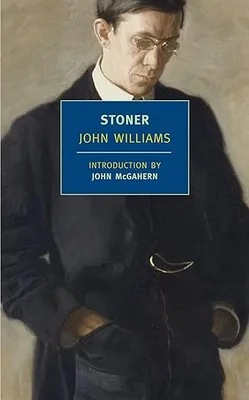
| Publisher | New York Review of Books |
| Published | 2015 |
| Pages | 337 |
| ISBN | 9781590179284 |
| Categories | Fiction |
What Readers Say
Stoner is one of those books that sounds impossible to recommend. "It's about a literature professor who lives a melancholic life and dies melancholically" — as one reader put it. Nothing dramatic happens. There are no twists. And yet people devour it in a single sitting and then can't read anything else for weeks.
The book consistently lands on Reddit's top literature lists, often cracking the top 15 alongside heavyweights like Moby Dick and Anna Karenina. That ranking drives some readers crazy — they'll tell you it's overrated, that it's "wish fulfillment for bookish introverts." Others fire back that it's the most honest book about the human condition they've ever read. The prose gets called "gorgeous" and "mature" with striking regularity. One reader said they didn't so much read it as got drunk on it.
The emotional response is where things get interesting. Multiple readers describe it as a "kick in the ass" to start actually living, but with a major caveat: you need to be in the right headspace. Read it during an anxiety spiral and it could pull you deeper. Read it at the right moment and it changes something fundamental about how you see an ordinary life.
Who It's For
This is the book for anyone who has ever felt stuck in the quiet drudgery of adulthood — the hollowness of building a career and wondering if that's really all there is. If you're in your twenties or thirties grappling with the gap between the life you imagined and the one you're living, Stoner meets you exactly there. It also resonates with readers who love slow, introspective literary fiction and don't need plot fireworks to stay engaged.
Reading Context
Readers shelve Stoner alongside East of Eden, The Remains of the Day, Crime and Punishment, and A Fine Balance. If you're looking for the same emotional weight in a shorter package, A Heart So White and Never Let Me Go come up frequently. It's often called one of the best entry points into serious literary fiction — accessible enough to finish in a day, deep enough to think about for years.