Book recommendations, reviews, and reading lists.

The Big Sleep
by Raymond Chandler
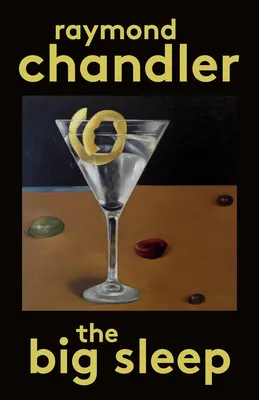
| Publisher | Createspace Independent Publishing Platform |
| Published | 2017-12-26 |
| Pages | 242 |
| ISBN | 9781981903757 |
What Readers Say
What readers consistently praise about The Big Sleep is the sheer fun of it—even halfway through, one Redditor admitted it was “great fun” and I see that echoed in how people talk about Philip Marlowe’s first outing. The novel lands as a deliciously atmospheric slice of hard-boiled Los Angeles, where the fog, the money, and the corruption seep off the page. But Chandler’s style is the real point of conversation: it’s a genre writer deliberately aping a literary voice, which some readers find self-conscious, while to others it’s the whole appeal. As one commenter put it, the prose “evokes a certain atmosphere,” and that’s the consensus—whatever you think of the plot, the mood is undeniable.
Common criticism, if you can call it that, is that The Big Sleep isn’t Chandler’s best. Regular noir readers will quickly tell you that Farewell, My Lovely has a cleaner case and The Long Goodbye is the one that’s genuinely a great American novel. But even the naysayers grant this one its status: it’s the canon entry point, the book that defines what hard-boiled detective fiction feels like. Some, like a deleted user in a “greatest novel ever” thread, will go as far as calling it one of the best books ever written—and they’re fully aware many will disagree. That tension—between admiring the craft and wishing for more narrative tightness—is exactly what keeps the conversation around Marlowe alive.
What surprises new readers is how much the book operates as both genre exercise and literary flex. You come for the dames and the wisecracks, and you stay because Chandler is doing something unexpectedly elegant with the language.
Who It's For
If you’ve ever finished The Maltese Falcon and wanted the dialogue to be just a little more poetic, this is your book. The Big Sleep is for readers who are curious about noir but want to see how a master can inject genuine literary ambition into pulp. It’s also for anyone who gets a kick out of stylized, tough-guy narration that feels like a performance—because that’s exactly what it is, and self-aware readers relish that. Fans of Dashiell Hammett will find the same seedy LA underworld, but with a richer, more self-consciously beautiful ugliness. And if you’re the type who doesn’t mind a mystery that cares more about ambience than airtight plotting, you’ll be right at home.
Reading Context
Most people encounter The Big Sleep as the obvious starting point for Chandler’s Marlowe series—and for good reason. It’s the book recommended when someone asks for no-nonsense noir, right alongside The Maltese Falcon. But don’t stop here. If this one works for you, sequel logic points you to Farewell, My Lovely, where the case is cleaner and the secondary characters pop more, or to The Long Goodbye, which is widely regarded as Chandler’s masterpiece and a legitimate contender for best American novel of its era. Audiobook listeners might appreciate that these older mysteries translate wonderfully to audio; one Redditor even suggested Playaway versions for elderly relatives, and I’d second that—Marlowe’s voice is made to be heard. Just know going in: the plot famously gets a little tangled (Chandler himself reportedly couldn’t explain one of the murders), so treat the story less as a puzzle to solve and more as a mood to inhabit.