Book recommendations, reviews, and reading lists.

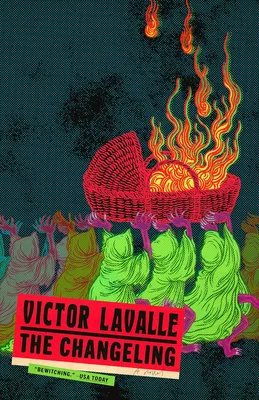
The Changeling
by Victor LaValle
| Publisher | One World |
| Published | 2017-06-13 |
| Pages | 449 |
| ISBN | 9780812995954 |
| Categories | Fiction |
What Readers Say
The thing readers keep coming back to with The Changeling is how disorienting the genre shift feels — in the best way. What starts as a portrait of new parenthood, anxiety, and a marriage quietly coming apart turns into something else entirely: dark urban fantasy rooted in folk horror, playing out across a New York City that operates on fairy tale logic. The transition is seamless enough that you accept the enchanted islands and hidden communities before you quite realize you've crossed over.
The description I've seen that sticks with me most came from a horror reader who described LaValle's fae as "the terrifying, man-eating, full-neutral ones of true folk tales" — not the sparkly romantic kind. That's exactly right. This book reaches back to what fairies actually were before they got sanitized, and pairs that with a very contemporary, very grounded fear: the isolation and dread of early parenthood.
Readers who've recommended it in "books by Black authors" threads specifically call out that the horror doesn't come from trauma porn or racial injustice as spectacle — it's a fantasy-horror story that happens to center a Black protagonist and does so without making his Blackness the source of his suffering. That's rarer than it should be in the genre. The horror here is universal and ancient.
LaValle is frequently mentioned alongside The Ballad of Black Tom — both get recommended in the same breath, and they're genuinely different books despite sharing an author. The Ballad of Black Tom is Lovecraftian, a direct riff on "The Horror at Red Hook." The Changeling is its own thing.
Who It's For
I'd push this toward readers who want their horror to have emotional weight — not just scares, but a reason to care about the person being scared. Apollo Kagwa is a fully realized character before anything supernatural happens to him, and that foundation is what makes the impossible stuff land. If you're the kind of reader who bounced off horror because it felt like watching strangers suffer, this is the corrective.
It also works well as an entry point for readers curious about fairy tale horror but wary of going full secondary-world fantasy. This is New York. It's grounded. The folk tale logic creeps in around the edges rather than announcing itself upfront.
Fans of Shirley Jackson's slow-build dread, or Carmen Maria Machado's "more is going on beneath the surface" approach, tend to respond well to this one. It's atmospheric and layered rather than relentlessly paced.
Reading Context
This is a book I'd read at home, at night, probably in a stretch of a few evenings rather than one long sitting — it earns its 449 pages. The early domestic sections need room to breathe so the later strangeness hits properly. If you rush it, you lose the texture that makes the horror feel personal rather than plot-mechanical.
It's also worth knowing going in that it won the Locus Award for Best Horror Novel, the World Fantasy Award for Best Novel, and a British Fantasy Award — which puts it in genuinely rare company. That's not a "critically acclaimed" badge slapped on by a publicist. The genre community voted on those, and they don't always agree.
The Apple TV+ adaptation exists if you're curious, but I'd read the book first. The fairy tale logic here is the kind that works better when it builds in your own head before someone else's images take over.