Book recommendations, reviews, and reading lists.

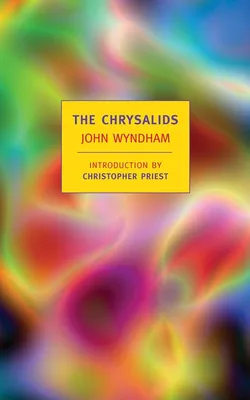
The Chrysalids
by John Wyndham
What Readers Say
The Chrysalids turns up in post-apocalyptic recommendation threads alongside Earth Abides and The Death of Grass — which tells you something about how readers categorize it. It's not the explosive, action-heavy kind of post-apocalypse. What draws people back to Wyndham is the slow, suffocating pressure of the society he builds: a community so terrified of deviation that it codifies cruelty into religious law, then calls that cruelty righteousness. The horror isn't a monster or a disaster — it's recognizing the logic of the people doing the persecuting.
What I find interesting about how readers talk about it is the "more relevant than ever" framing that keeps coming up. That's not something you say about a book that feels safely historical. The paranoia, the policing of bodies, the way fear of difference gets dressed up as moral duty — readers feel it landing close to home. That's a harder kind of discomfort than straightforward horror.
Who It's For
This one gets recommended for teenagers, and I think that's actually right — not because it's simple, but because it hits differently when you're still figuring out where you fit. If you're an adult coming to it now, think of it as a companion to 1984 and Brave New World rather than a lesser sibling. It belongs in that conversation. Readers who like their dystopia grounded in human smallness rather than grand authoritarian spectacle will find a lot here.
It also makes sense for readers who came to the post-apocalyptic genre through quieter, more literary books like Earth Abides — survival stories where the real subject is what people choose to rebuild, and what they choose to destroy.
Reading Context
The Chrysalids was published in 1955, which puts it in Wyndham's most productive stretch — The Day of the Triffids and The Midwich Cuckoos came out in the same decade. It's a standalone novel, so there's no series commitment to worry about. The horror framing is worth knowing in advance: this isn't science fiction horror in the monster or alien sense. The dread is social, institutional, and deeply personal. Think of it less as genre horror and more as a book that makes you feel watched.