Book recommendations, reviews, and reading lists.

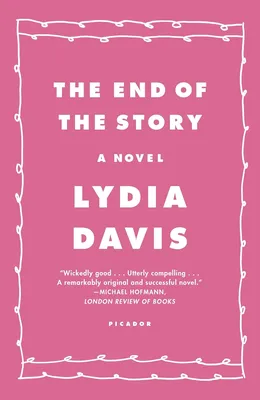
The End of the Story
by Lydia Davis
| Publisher | Macmillan |
| Published | 1995 |
| Pages | 238 |
| ISBN | 9780374148317 |
| Categories | Fiction |
What Readers Say
The one reader who surfaced this book on Reddit did so with unusual specificity — not "it's beautifully written" but actual sensory details: grains of millet in a sink drain, light shining through a lover's ear making it look pink. That's the kind of precision you remember. The commenter framed the book as something that "really packs a punch" but added a self-aware caveat: she thought younger readers might not connect with it the same way. The appeal isn't plot — there isn't much — but the way obsession is rendered from the inside, how a person loses herself completely and then has to piece back together who she was before.
The commenter also noted she'd never come across a single other person who had read it. That's not a criticism. That's practically a dare.
Who It's For
This one is for readers who already know they like literary fiction that operates at the level of sentence and image rather than event. If you've read Lydia Davis's short stories and wanted more sustained time with her voice, this is the place to go. It's also a good fit for readers who loved Elena Ferrante's obsessive, self-excavating narrators — the emotional register is similar, even if the prose style is very different.
The commenter who recommended it specifically flagged it as resonating more for older women, and I think that's honest rather than limiting. It's a book about looking back, about what we did when we were lost in something.
Reading Context
The End of the Story was Davis's only novel — she's known primarily for her short stories and translations (she translated Proust and Flaubert). Coming to this as a novel-length work, the approach is closer to her story collections than to conventional fiction: fragmentary, associative, more interested in the texture of memory than in narrative momentum. It's 238 pages but reads like an extended meditation.
It sits alongside other autofiction-adjacent works about obsessive love and the distortions of memory — books like Grief Is the Thing with Feathers or A Lover's Discourse — but Davis's microscopic realism is entirely her own.