Book recommendations, reviews, and reading lists.

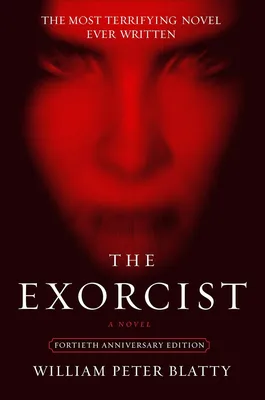
The Exorcist
by William Peter Blatty
| Publisher | Harper Collins |
| Published | 1994 |
| Pages | 404 |
| ISBN | 9780061007224 |
| Categories | Fiction |
What Readers Say
The thing readers consistently mention first — and this surprises a lot of people going in — is how literary The Exorcist is. They expect a gross-out horror novel and instead get a genuine meditation on faith, doubt, and what it means to believe in evil. One Reddit commenter put it plainly: the depth of its meditation on God "was not what I expected." Another called it "intellectual horror that respects your brain while scaring the hell out of you." Blatty isn't just trying to disturb you; he's asking real questions about the nature of evil, and whether what we're witnessing is supernatural or just a manifestation of human brokenness.
That said — it is also deeply, genuinely scary. People report not being able to sleep with the lights off. One reader said they couldn't sleep in the same room as the physical book. Another described it as making them paranoid about mundane things: "Who moved this chair!" That's the specific texture of dread this book creates — not jump scares, but a slow, creeping wrongness that burrows into your daily life.
Where readers diverge is on whether it still lands. Some seasoned horror readers find it quaint now, comparing it unfavorably to weirder or more visceral modern horror. But the majority opinion — especially from people who actually sit down and read the book rather than dismissing it based on the film's reputation — is that it holds up completely.
The audiobook narrated by Blatty himself comes up repeatedly as a standout listening experience. If you're choosing a format, that recommendation is worth taking seriously.
Who It's For
This is for readers who want their horror to mean something. If you're drawn to horror that operates on a philosophical level — books that unsettle your assumptions rather than just your stomach — The Exorcist belongs on your list. It's also an excellent choice for readers who tend to find horror novels underwhelming or too surface-level; this is the book that gets recommended to seasoned horror fans who feel like they've seen everything.
It works for people who are skeptical of or fascinated by religious faith, not just believers. The crisis-of-faith angle is handled with enough ambiguity and intelligence that it resonates whether you believe in the supernatural or not.
Companion reading that comes up in the same conversations: A Canticle for Leibowitz by Walter M. Miller Jr. gets mentioned by readers who responded to The Exorcist's religious themes. For readers who want more Blatty, the sequel Legion comes up as genuinely excellent rather than a cash-in, and is worth seeking out if the original got under your skin.
If you loved The Haunting of Hill House for its slow dread and psychological ambiguity, you'll likely find a lot to appreciate here.
Reading Context
The novel was first published in 1971, and most editions in print are perfectly readable. The language is described by readers as relatively accessible despite the literary quality.
The film (1973, William Friedkin) is iconic but genuinely different from the book in important ways. Blatty himself adapted the screenplay, but the book is more ambiguous and more interior. I'd recommend reading the novel before watching the film, because the film's imagery tends to colonize how you picture things.
Legion (1983), also by Blatty, is the direct sequel and focuses on Lieutenant Kinderman — it's actually the basis for The Exorcist III (1990). Reading order matters here: Legion assumes you've finished The Exorcist.
Content warnings: graphic body horror involving a child, religious themes including blasphemy, sexual violence (implied and explicit in places), and scenes of medical trauma. The book earns its reputation.