Book recommendations, reviews, and reading lists.

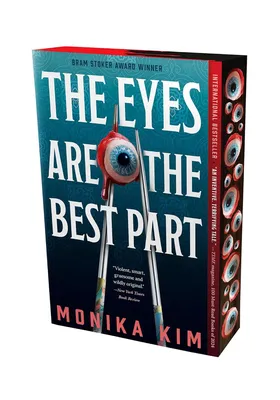
The Eyes Are the Best Part
by Monika Kim
| Publisher | Erewhon Books |
| Published | 2024-06-25 |
| Pages | 289 |
| ISBN | 9781645661238 |
| Categories | Fiction |
What Readers Say
Readers keep coming back to one word for this book: phenomenal. It showed up on Barnes & Noble's best horror of 2024 list and the reaction in r/horrorlit was immediate — one commenter simply called it "phenomenal" and left it at that, which is sometimes the most honest review you can give. It won the Bram Stoker Award and landed on TIME's 100 Must-Read Books of 2024, and based on how it circulates in recommendation threads, that recognition seems to track with how actual readers feel about it.
What people tend to highlight is the specific, visceral quality of the violence — not gratuitous, but precise. One reader singled out a particular scene (the "knife switcheroo") as a chef's kiss moment, the kind of scene that sticks in your head because it's doing something structurally clever at the same time as it's being genuinely disturbing. That combination of craft and brutality is what separates The Eyes Are the Best Part from horror that's just trying to shock you.
It also gets recommended consistently alongside books like They Never Learn and A Certain Hunger when readers ask for "women who are insane and often for good reason" — which is about as useful a genre tag as I've ever seen. The company it keeps tells you a lot. These aren't soft thrillers. They're books that take women's rage seriously enough to follow it all the way to its ugliest conclusions.
Who It's For
This one is for readers who want their horror to come with a point of view. The Eyes Are the Best Part isn't just a cannibal novel — it's a cannibal novel about what happens when a young Korean American woman is crushed by family obligation, cultural erasure, and a stepfather-figure who embodies every specific kind of white male entitlement that grinds quietly but constantly. The horror is inseparable from the social critique, and Monika Kim doesn't let you pretend otherwise.
If you loved Bunny by Mona Awad or Youthjuice and you're looking for something with a sharper edge — something with more blood and fewer surrealist cushions — this is the next step. I'd also point fans of My Sister, the Serial Killer toward it: same compressed intensity, same moral refusal to explain itself away, but with a distinctly Korean American interiority that grounds it in something specific rather than universal.
At 289 pages, it's a short book that hits fast and doesn't waste your time. The pacing is tight, the horror builds without dragging, and by the end it's left marks.
Reading Context
This is a late-night-alone book. It's not cozy horror — it doesn't have the warm-fireplace quality of something like What Feasts at Night. The apartment it takes place in is claustrophobic by design, and Kim keeps the walls close throughout. You feel the smallness of the space, the density of the family dynamics, the way Ji-won has nowhere to go with what she's feeling except inward until it turns outward.
I'd read it on its own before jumping into anything adjacent. The voice is distinctive enough that you want it uncontaminated — don't go straight from A Certain Hunger to this one, or vice versa, or you'll start flattening them together in your memory. They're different flavors of the same territory: women's rage taken to its logical extreme. But Kim's version is quieter in its setup and more visceral in its payoff, and it deserves to land on its own terms.