Book recommendations, reviews, and reading lists.

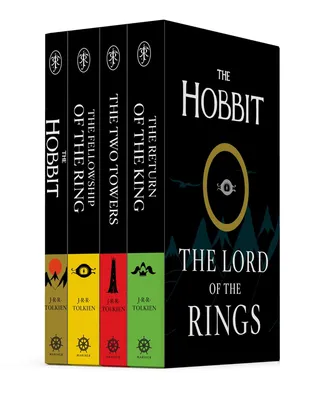
The Lord of the Rings
by J.R.R. Tolkien
| Published | 1954 |
What Readers Say
The word I see most from readers who've spent real time with this book isn't "epic" or "classic" — it's "lifelong." One reader described first picking it up at 10, rereading it across decades, and arriving at 60 feeling like the characters had been genuine companions through their actual life. That kind of attachment isn't nostalgia. It's something Tolkien earns.
What surprises people is how the book scales. It reads simply at first — almost like a fireside story being told aloud — and then quietly, without you noticing, it builds into something immense. Readers who approach it expecting a straightforward adventure are often caught off guard by how much weight it accumulates. One reader summed it up plainly: "The story just builds and builds."
There's also consistent praise for Tolkien's prose as something distinct from what most modern fantasy readers are used to. It's unhurried. Lyrical. One reader called it beautiful in a way that's almost hard to articulate — the writing itself carries something. And the songs, which readers sometimes brace themselves for, turn out to be one of the stranger delights: I've seen more than one account of someone reading the trilogy aloud to a partner and quietly singing all the songs in character.
The one friction point readers mention consistently is pacing, particularly early on. The opening is gentle to the point where it can feel slow if you come in expecting to be grabbed immediately. The advice you'll hear over and over: start with The Hobbit first. Not because you'll be lost otherwise, but because The Hobbit is what gets you emotionally ready.
Who It's For
Readers who love deep world-building — the kind where you feel the history behind every name and place — tend to lose themselves here completely. If you're the type who reads appendices and wishes books had more maps, this is your home territory.
It also turns out to be a remarkable read-aloud book. Couples, parents, partners with insomnia — The Lord of the Rings comes up again and again as the series that got read chapter by chapter at night over months, Tolkien's natural storytelling rhythm carrying listeners toward sleep without ever boring them.
For readers who've just discovered fantasy through something like Harry Potter and want to go deeper, this is the canonical next step — though it rewards patience more than Harry Potter does. For readers coming out of literary fiction who are skeptical of genre, it's the book that most often changes their minds.
Companion reads that come up most from readers: The Hobbit (obviously, read it first), The Name of the Wind by Patrick Rothfuss for the same immersive quality and lyrical prose, The Chronicles of Narnia by C.S. Lewis, and Ursula K. Le Guin's Earthsea books for a similarly unhurried, wise approach to fantasy world-building.
Reading Context
Start with The Hobbit. I know it seems like optional advice, but nearly every reader who mentions reading order says the same thing: The Lord of the Rings is richer and lands harder if you come to it from The Hobbit first. The tonal shift between the two books is part of what makes The Lord of the Rings work.
The three-volume structure (The Fellowship of the Ring, The Two Towers, The Return of the King) was originally a publishing decision, not a structural one — it's one novel. If you're reading it, don't treat each volume as its own complete arc. The whole thing is the thing.
There are guides out there to help if you feel lost in the early chapters, and readers actively recommend using them without shame. Tolkien packs in a lot of history and names that can feel overwhelming on a first read.
On film versus book: some readers come to the text after the Peter Jackson films, and the experience is genuinely different. The films compress and cut significantly. The book is slower, stranger, and more concerned with the texture of the world than any adaptation can be — including Tom Bombadil, who the films wisely avoided having to explain.
No significant content warnings. This is not a dark or graphic book by modern standards. The stakes feel real and the losses matter, but it's not bleak. One reader described it as "a serious story about endurance and hope in the face of powerful darkness." That feels exactly right.