Book recommendations, reviews, and reading lists.

The Lord of the Rings
by j.r.r. tolkien, John Ronald Reuel Tolkien
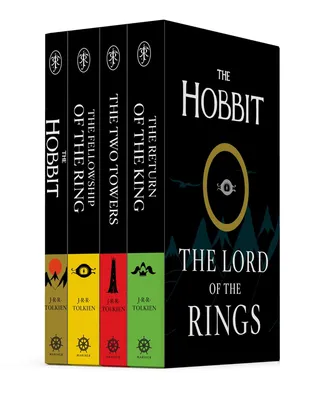
| Publisher | Mariner Books |
| Published | 2001 |
| Pages | 1176 |
| Categories | Fiction |
| Google Rating | 4.5/5 (11 ratings) |
What Readers Say
What comes up again and again with The Lord of the Rings is the word "masterpiece" — used without irony, by people who first read it at ten and are now sixty and still coming back to it. I keep seeing readers describe it as a lifelong relationship more than a book. The characters feel like old friends. The world feels like a place that actually exists somewhere. That's not something you can fake with craft alone, and readers know it.
The most consistent praise is for Tolkien's world-building — not as a technical feat but as an emotional one. People aren't impressed by the appendices; they're moved by the fact that Middle-earth feels inhabited, ancient, and fully real. The prose rhythm comes up too: multiple readers describe it as made for reading aloud, with a voice-by-firelight quality that makes it feel oral even on the page. More than one couple has read the whole thing together at bedtime, songs included.
The criticism, when it appears, is almost always about the pacing — specifically the early stretch before the story accelerates, and the appendices-heavy back matter. But notably, the same readers who mention the slow start often say it stops being a problem around a third of the way in and then becomes part of what they love. One person called it "lyrical and unhurried" as a compliment. The ratio of people who warn about the pacing versus people who say "take your time, it's worth it" runs heavily in favor of the latter.
Who It's For
If you're a reader who wants to understand what fantasy is actually doing at its best — what it means when people say a book "shaped who I am" — this is the primary source. Not because it invented the genre trappings, but because no one has matched the combination of emotional depth, world-building totality, and genuine moral seriousness that Tolkien put into this trilogy.
It's also for readers who are willing to be patient with something that doesn't front-load its pleasures. This is not a book that hooks you in chapter one with a twist. It's a book that, by the time you're deep into it, makes you not want it to end.
Reading Context
The natural entry point is The Hobbit first — almost everyone recommends this, and the mentions here reflect it. The two books share a world but The Hobbit is lighter and shorter, and reading it prepares you for the scope of what comes next. The Peter Jackson film adaptations are everywhere in the culture, and worth separating out: the movies are their own thing, and the book has significant material — Tom Bombadil, the Scouring of the Shire — that the films cut entirely.
Readers who love The Lord of the Rings tend to pair it with Ursula K. Le Guin's Earthsea books, Tolkien's own The Silmarillion for those who want more of the mythology, and Patrick Rothfuss's The Name of the Wind for modern epic fantasy with a similar commitment to prose quality.