Book recommendations, reviews, and reading lists.

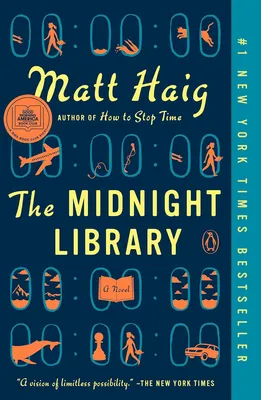
The Midnight Library
by Matt Haig
| Published | 2020 |
What Readers Say
The Midnight Library has a narrower sweet spot than its Goodreads-bestseller status suggests, and readers are unusually honest about that. On one side: people who read it during their lowest moments — a psych ward stay, quarantine depression, a terminal diagnosis in the family, the aftermath of a death — and describe it as a lifeline. The phrase "made me want to live again" comes up more than once, and not casually. On the other side: readers who went in expecting real psychological depth and came out feeling like the book dodged its own premise. The criticism is specific: Nora's regrets are mostly neutral life choices — paths not taken — rather than the actual mistakes that haunt people. The book never grapples with genuine culpability, which is either beside the point or the whole problem, depending on what you needed from it.
What surprises people is how dark the opening is. Readers who expected something cozy get a proper portrayal of suicidal depression before the magical-realism premise kicks in. Haig writes from personal experience, and it shows — Nora's distorted thinking in her early alternate lives is something readers with depression recognize immediately as accurate. The audiobook version, read by Carey Mulligan, gets consistent praise and is often cited as the preferred format. The most cutting dismissal I saw called it "disgustingly saccharine," and several readers who struggle with severe or treatment-resistant depression note that the book's implicit message — that you can choose to want to live — felt hollow or even alienating for their situation. It's not a flaw exactly, but it's worth knowing going in.
Who It's For
This is for readers in their 20s, 30s, or 40s who are stuck in a life that feels like the wrong one — the kind of quiet crisis where nothing catastrophic has happened but everything feels slightly off from where it was supposed to go. If you connected with Eleanor Oliphant is Completely Fine or Anxious People, you'll likely find the same emotional register here. It pairs well with Matt Haig's own Reasons to Stay Alive if you want to move between his fiction and nonfiction takes on the same subject matter. Readers who liked The Night Circus or The Book Thief for their sense of wonder and emotional weight also tend to land on The Midnight Library — the recommendations appear together often enough that there's a real pattern there.
It's less suited to readers who want genuine moral complexity or who are dealing with trauma, poverty, or depression that doesn't respond to perspective shifts. If you've already made peace with your regrets or your mental health challenges are severe, the book may feel like it's written for someone else's version of the problem.
Reading Context
The Midnight Library sits in a loose category of emotionally serious magical realism alongside Life After Life by Kate Atkinson — readers who loved one frequently seek out the other, though Atkinson's book is structurally much more demanding. Within Haig's own work, it's the most popular entry point, but Reasons to Stay Alive and How to Stop Time get mentioned as natural companions. The premise — alternate lives, roads not taken — has antecedents going back decades, and some readers will flag that immediately. Whether that bothers you depends on what you're reading it for.
One thing worth knowing before you start: the book opens with a suicide attempt and stays in a genuinely dark place for a while before the library appears. That's not a spoiler, it's necessary context. Readers who go in expecting lightness from page one are sometimes caught off guard. Go in knowing it earns its warmth the hard way, and the payoff lands differently.