Book recommendations, reviews, and reading lists.

The Monk
by Matthew Lewis
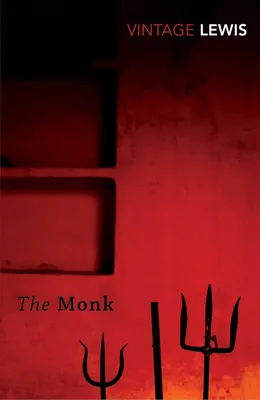
| Publisher | Lebooks Editora |
| Published | 2025-05-19 |
| Pages | 519 |
| ISBN | 9786558949718 |
| Categories | Fiction |
What Readers Say
The Monk carries a specific kind of word-of-mouth: it's the book that opens a door. Readers describe it as their first Gothic novel — the one that sent them reaching for Dracula and then deeper into an entire reading year built around the genre. That's not the praise you give a solid book you'd recommend to a friend; that's the praise you give something that rewired your reading appetite.
It also surfaces in horror circles when someone asks for titles that haven't been worn smooth by constant recommendation. After more than two centuries, Lewis's novel still registers as a discovery rather than a syllabus assignment. Gothic lit enthusiasts flag the absence of The Monk on a shelf the same way they'd flag a missing Mysteries of Udolpho — as a gap in the foundational tier that's worth addressing. The underground reputation is real, and it's built on the book's willingness to go places that still feel transgressive today.
Who It's For
This one is for readers who want Gothic fiction that actually earns its reputation for darkness — not just atmosphere and dread, but a narrative willing to follow its worst instincts all the way down. If you've read through the more restrained end of the Gothic shelf and found yourself wanting something that explains why the genre made people genuinely uncomfortable, The Monk is the answer. It belongs on the reading list of anyone who takes 18th-century horror seriously and wants the novel that Lewis reportedly wrote at nineteen and that scandalized London on publication.
It's also the right pick for horror readers who feel like classic literature tends to flinch. Lewis doesn't flinch. The shock is built into the architecture of the story, not grafted onto it — which is why it still gets recommended in threads asking for horror that readers haven't already seen a dozen times.
Reading Context
The Monk is most naturally paired with The Mysteries of Udolpho — the two represent opposite ends of what 18th-century Gothic fiction could be. Radcliffe built her horror on suspense and suggestion; Lewis built his on corruption and confrontation. Reading them back to back gives you the full picture of what the genre was doing in the 1790s and why it split into such different directions afterward.
There's no major film or TV adaptation that's achieved cultural traction, which is a significant part of why the book retains its underground quality. Most readers come to it cold, without the scaffolding of a famous screen version to frame expectations. What they find is a 519-page novel that moves faster than its age suggests and earns every bit of its scandalous reputation by the final pages.