Book recommendations, reviews, and reading lists.

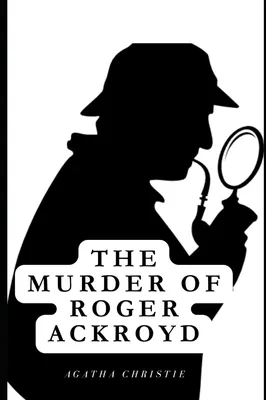
The Murder of Roger Ackroyd
by Agatha Christie
| Publisher | W. Clement Stone |
| Published | 1986 |
| Pages | 296 |
| Categories | Fiction |
What Readers Say
Reddit is unusually united on this one: the twist is the real thing. Thread after thread asking for "books with plot twists so crazy you never saw them coming" produces the same first or second comment — The Murder of Roger Ackroyd. What surprises people isn't just that they didn't guess it, it's that they go back and reread the opening pages afterward and find everything was technically, precisely true the whole time. That realization is what converts casual readers into Christie devotees. One commenter put it simply: "Made me absolutely fall in love with the mind of Agatha Christie." That's a sentiment I've seen echoed in dozens of variations.
The one recurring criticism is that the middle section drags. After the murder and before the solution, readers describe a stretch that's more procedural than gripping — lots of Poirot interviewing the same suspects, not a lot of momentum. The near-universal exception to that complaint is Caroline Sheppard, the narrator's gossipy sister, who people mention by name as a genuine delight. She saves the midsection. It's also worth noting that because the twist is so famous now, some readers come in already half-spoiled, which changes the experience considerably. The people who go in blind and figure it out on instinct describe it as a particular kind of triumph.
What surprises newer readers most is how readable it is. Several people mention picking it up expecting something stiff and dated, then blazing through it in a couple of sittings because Christie's chapter structure keeps pulling you forward. The chapters are short and punchy, designed to make you think "just one more."
Who It's For
This is the book for readers who want a plot twist that holds up to scrutiny — not a cheap surprise, but one that's been built into the architecture of the story from page one. If you've been burned by twists that feel like the author made something up at the last minute (Gone Girl fans know the difference between a fair twist and a cheap one), this is the antidote. I'd also put it in front of anyone who loves locked-room mysteries, unreliable narrators, or the puzzle-box structure of films like Knives Out. The DNA is here.
Good companion reads include And Then There Were None if you want the isolated-setting version of Christie at her most ruthless, or A Murder is Announced if you want something that's arguably more enjoyable to reread — it trades a little technical brilliance for richer character work and a cozier setting. For readers who loved the structural audacity here and want something modern, Atonement by Ian McEwan uses a similar trick with a narrator's perspective, though it's a very different emotional register.
Reading Context
One piece of advice I'd give first-time Christie readers: don't start here. The twist lands harder if you've read two or three other Poirot novels first — The Mysterious Affair at Styles, Murder on the Links, or Peril at End House — because you'll have internalized the conventions Christie is subverting. Going in cold still works, but you lose some of the structural joke. Christie built this book to play against your expectations of the form, and those expectations are stronger if you've built them up.
As for format: read the physical book or an ebook, not a film or TV adaptation. The adaptations change the ending. The whole point of the original is that it exists in prose — the trick only works on the page, in the narrator's voice, with the punctuation Christie chose. Watch whatever adaptation you want afterward, but read the source first.