Book recommendations, reviews, and reading lists.

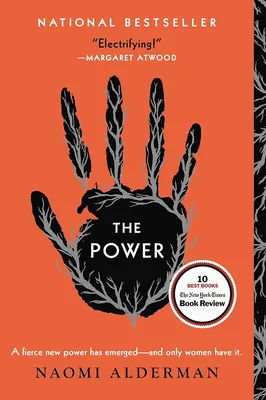
The Power
by Naomi Alderman
| Publisher | Little, Brown |
| Published | 2017-10-10 |
| Pages | 409 |
| ISBN | 9780316547659 |
| Categories | Fiction |
| Google Rating | 5/5 (2 ratings) |
What Readers Say
The comments that stick with me aren't the glowing blurbs — they're the ones that get at what the book actually does to you. One reader described it as a book that "split my life in half," and the replies kept agreeing: "this book was electric," "I could not stop reading it," "I think about it often." That last one is understated in a way that feels right. The Power isn't a book you forget.
The most honest reaction I've seen came from someone who wrote that it "basically made me realize that people suck, no matter what gender." That's the uncomfortable thesis Alderman is working toward, and a lot of readers land there — half-relieved the book went there, half-unsettled that it did. The role reversal isn't wish fulfillment; it's a mirror held up sideways. Readers expecting a straightforward feminist revenge fantasy tend to be surprised by how dark and morally unglamorous the power dynamics become once women hold them.
What people consistently praise: the pacing (it moves), the world-building (specific and grounded), and the way it recontextualizes ordinary things — violence, fear, who crosses the street at night. Margaret Atwood's endorsement gets mentioned as a trust signal by readers who came in unsure, and they tend to feel the comparison holds up. The framing device — presented as a historical novel written by a man looking back — is either something readers find clever or something they don't fully register until they think about it later.
Who It's For
This is for readers who liked The Handmaid's Tale but wanted something that pushes the critique further — not just what happens when women are oppressed, but what happens when they're not. Reddit consistently pairs these two books, and I think that's exactly right. If you've read Atwood and wanted more speculative feminist fiction that takes the premise seriously without softening the edges, The Power is the next book.
It also comes up in the same breath as Nightbitch when readers are looking for fiction that takes women's anger seriously — though The Power is the more political, sweeping version of that impulse, where Nightbitch is interior and raw. They're companion reads rather than substitutes.
Best for readers who are willing to sit with an ending that doesn't offer easy resolution.
Reading Context
The Power was published in 2016 in the UK and 2017 in the US. Alderman wrote it under the mentorship of Margaret Atwood, which explains some of the structural similarities to The Handmaid's Tale — the framing device especially. Worth knowing going in.
There's a TV adaptation (Amazon Prime, 2023) starring Toni Collette — at least one reader came to the book through the show and is eager to compare. From what I've seen discussed, the show is decent but the book's framing conceit is harder to translate, so I'd read first if you can.
Content warnings: sexual violence, torture, and war violence are depicted, including violence committed by women. The book is deliberately uncomfortable on this front — that discomfort is the point, but it's worth going in with eyes open.
No translation concerns — this is originally written in English. No reading order issues; it's a standalone.