Book recommendations, reviews, and reading lists.

The Shining
by Stephen King
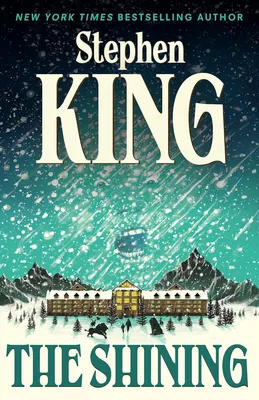
| Published | 1977 |
What Readers Say
The thing that surprises people most about The Shining is how much better it is than the movie. Readers who picked it up expecting to just revisit a familiar story end up losing sleep over it. One reader described it as costing them "more than one sleepless night." That's not hyperbole — the book earns it.
What consistently gets praised is the slow-burn structure. The descent is the whole point. Readers love watching Jack's unraveling happen incrementally, and they especially love following Wendy's dawning realization that something is wrong — that creeping domestic horror is more unsettling than any jump scare the story could pull. One reader called Wendy's slow recognition "so delicious," which is exactly the right word for it.
The specific moments that stick: the topiaries, the snow, and "Redrum." Readers mention these things unprompted, years later. They live rent free.
There's a minority view worth mentioning — a few readers find the book "depressing" rather than scary, and at least one person argued the Kubrick film edges it out. I disagree, but it's a real reaction and usually comes from readers who expected a different kind of horror. The Shining is less about monsters and more about a man amplified into his worst self by something that knows exactly which buttons to push.
The literary case gets made passionately on horror forums. One comment simply said "The Shining is literature. Probably his finest work." Another called it "his scariest book for sure" and said putting other King titles ahead of it was "criminal." I'm inclined to agree — it's the one where King's character work and his horror instincts locked together perfectly.
Who It's For
This is the book for readers who want psychological horror over gore — readers who prefer watching a mind unravel to watching a body get destroyed. If you love the slow accumulation of dread and the moment when you realize something has been wrong for a long time, The Shining is built for you.
It's also a great entry point for readers who think they don't like Stephen King. The excess that shows up in some of his longer work is mostly absent here. It's lean and purposeful.
Companion reads that come up consistently alongside it: The Haunting of Hill House by Shirley Jackson is the most natural pairing — both books use an isolated, malevolent space to push characters toward psychological collapse, and readers who love one almost always love the other. Annihilation by Jeff VanderMeer gets recommended for readers drawn to the unreliable-reality angle. Doctor Sleep, King's own sequel, is the obvious next step if you want more of the Overlook's world — readers call it "a decent sequel, not too scary," which is accurate; it's warmer and more about recovery than dread.
For readers who want to stay in the King catalog after this one, Salem's Lot and It are the consistent recommendations. One reader compared The Shining to It and called both great — which tracks, though The Shining is tighter.
Reading Context
No translation concerns here — this is originally in English and widely available in every format.
The audiobook question is worth addressing: King's work tends to play well in audio because of his conversational prose, but The Shining is one where I'd lean toward the physical book. The slow creep of the hotel works better when you control the pace.
On reading order: you don't need to have read anything else by King first. The Shining is completely standalone. If you want to read Doctor Sleep afterward, it helps to have the original fresh in your mind, but it's not required.
The Kubrick film: watch it after, not before, and keep in mind they're genuinely different things. King famously disliked the adaptation because it strips Wendy of agency and flattens Jack's arc — he's already unhinged at the start of the film, which removes everything the book earns slowly. Both are worth your time, but the book is the fuller experience.
Content to be aware of: alcoholism and domestic tension are central to the story, not background noise. There's also child endangerment that gets intense toward the end. Readers who've had difficult experiences with addiction or volatile family dynamics have noted the book hits differently because of it — harder in some ways, but also more meaningful.