Book recommendations, reviews, and reading lists.

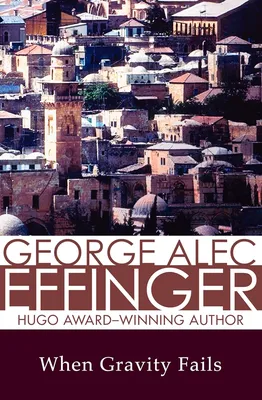
When Gravity Fails
by George Alec Effinger
| Publisher | Spectra |
| Published | 1988 |
| Pages | 292 |
| Categories | Fiction |
| Google Rating | 0.0/5 (0 ratings) |
What Readers Say
Readers consistently reach for When Gravity Fails when someone asks for cyberpunk that isn't Gibson, Stephenson, or Richard Morgan — and that positioning tells you something. The praise clusters around one thing: the setting. Effinger drops his noir murder plot into a future Middle Eastern city, the Budayeen, a walled district of bars, brothels, and black-market brain implants. That cultural lens is what separates it from the rest of the genre. Most Western-centric sci-fi locates its gritty underworld in a future Tokyo or Los Angeles; Effinger builds his from a completely different foundation, and readers notice.
The protagonist, Marid Audran, is a hustler who has always refused neural modifications — which makes the central pressure of the plot feel personal. When a serial killer starts working through his neighborhood, he's forced to accept the very thing he's been holding out against. Readers find that resistance compelling. It grounds the cyberpunk hardware in character rather than spectacle.
The one honest caveat that comes up: the crime noir structure isn't for everyone. At least one reader who recommends it freely also admits they generally hate the genre. The book earns its recommendation anyway — the prose is clean, the world-building is distinctive, and Effinger clearly knew what he was doing.
Who It's For
This is for readers who've already burned through the Gibson–Stephenson–Morgan trifecta and want cyberpunk that feels genuinely foreign — not a genre reskin, but a book built from a different cultural imagination entirely.
Reading Context
When Gravity Fails gets shelved alongside Neuromancer, Altered Carbon, and Snow Crash in nearly every cyberpunk recommendation thread, which is accurate company but also undersells how different it feels. Where Gibson is all cold abstraction and Morgan is action-forward, Effinger is more interested in the street-level texture of a place. It reads closer to noir than hard sci-fi.
It's the first in a trilogy — A Fire in the Sun and The Exile Kiss follow — and readers who love it tend to wish there were more. Effinger died young, and the series ends before it should have. That's worth knowing going in: the Budayeen is a world you'll want more of, and there's a hard limit on how much exists.