Book recommendations, reviews, and reading lists.

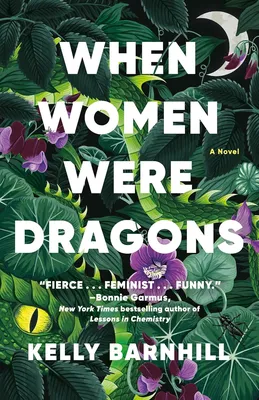
When Women Were Dragons
by Kelly Regan Barnhill
| Published | 2022 |
| Google Rating | 0.0/5 (0 ratings) |
What Readers Say
Readers keep coming back to the same word: changed. One reader said it changed how they thought about the women in their life — mothers, aunts, grandmothers — and the invisible constraints that shaped them. That's the emotional register this book operates in: not the fantasy spectacle of women turning into dragons, but what the transformation stands in for. The 1950s setting does a lot of work here. The government suppression of the "dragoning" events, the collective amnesia society enforces around women's power — readers recognize that as a metaphor that doesn't feel like a metaphor at all.
What surprises people is how unputdownable it is. It shows up in threads asking for books that make you think and feel deeply, not as a literary recommendation but as a genuine page-turner. The emotional pull catches readers off guard. People who went in expecting quiet allegory came out calling it one of the best books they'd read in a long time.
The title itself is part of the appeal — one reader bought it cold from a bookstore shelf purely because the title stopped them in their tracks. That's rare, and it says something about how confident the premise is.
Who It's For
This is for readers who want feminist rage wrapped in a premise so specific and strange that it bypasses every defense — people who respond to books that reframe the familiar past as something darker and more honest than the version we were handed.
Reading Context
The book clusters consistently with Circe, Nightbitch, and The Once and Future Witches — stories where women's power is treated as monstrous by the world around them and reclaimed by the women themselves. It also shows up alongside White Oleander and Come Closer in healing-from-family-secrets territory, which points to a secondary current in the book that's less about political allegory and more about one woman reconstructing the truth her family buried.
Thematically it occupies the intersection of mid-century domestic fiction and speculative feminism — a space The Power and The Handmaid's Tale also inhabit, but When Women Were Dragons is warmer and more personal in scale. Alex's story is intimate even when the stakes are societal.