Book recommendations, reviews, and reading lists.

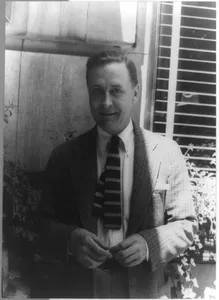
F. Scott Fitzgerald
1 book on Read & Recommend
What Readers Say
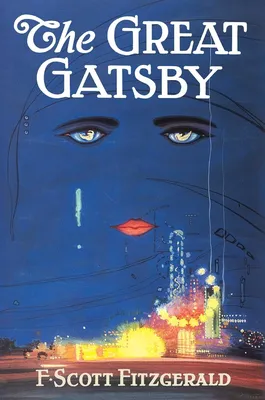
Readers describe Fitzgerald's prose as deceptively easy to get through — The Great Gatsby comes up repeatedly in lists of classics that don't feel like homework, which is no small compliment for a book that's been on school syllabi for decades. The emotional punch is what sticks. That closing line — "boats against the current, borne back ceaselessly into the past" — keeps getting cited as one of those quotes that genuinely wrecks you, the kind that lingers after the book is long finished. Nobody in these conversations is treating Gatsby as a chore; they're recommending it the same way they'd recommend Rebecca or East of Eden — as something worth your time.
Where to Start
The Great Gatsby is the obvious and almost universal starting point, and I think it earns that reputation honestly. It's short, it moves fast, and it delivers on the promise of great American fiction without demanding months of your life. Readers who want something in the obsession-and-unraveling vein tend to pair it with Melville or Hemingway, which tells you something about the company Fitzgerald keeps — this isn't easy reading in the emotional sense, even if it's easy reading in the page-count sense.
Reading Context
Fitzgerald sits comfortably alongside Hemingway, Steinbeck, and Orwell in the canon of 20th-century American literature that readers actually return to voluntarily. He tends to come up in conversations about literary quotes that land hard, or about classic novels that don't require a study guide — which is its own kind of legacy. The obsession-and-spiral theme readers associate with Gatsby puts him in strange but fitting company: Melville's Ahab, Hemingway's Santiago, characters who are consumed by something just out of reach.