Book recommendations, reviews, and reading lists.

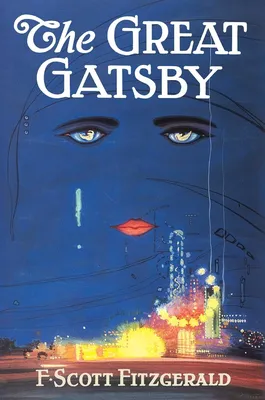
The Great Gatsby
by F. Scott Fitzgerald
| Publisher | Simon and Schuster |
| Published | 2003-05-27 |
| Pages | 196 |
| ISBN | 9780743246392 |
| Categories | Fiction |
| Google Rating | 3.5/5 (87 ratings) |
What Readers Say
I see a book that splits readers right down the middle, and the dividing line often comes down to when you first met it. A lot of people tell me they were force-fed Gatsby in high school and walked away calling it boring—nothing but lavish parties and a guy staring at a green light across the bay. u/Chip_Marlow put it bluntly: “shoved down every young person’s throat,” and it turns so many off reading entirely. Even an English lit PhD candidate admits she hates it, and that’s okay. But then there’s the other half, the ones who came back years later and found the book transformed. u/Lingonberry_Physical described a first read at 18 that felt like “overly detailed, seemingly mundane experiences,” only to return five years later and have the book hit like a freight train. That shift seems crucial: the boredom often gives way to an ache once you’ve lived enough to recognize longing, regret, and the way people build entire identities around a fantasy.
What people consistently praise, often grudgingly, is the prose. u/Promised_Amontillado calls it “nearly poetic in places,” and I think that’s the glue. Even when the plot feels slight—rich people, bad driving, a doomed affair—Fitzgerald’s sentences can stop you cold. Readers point to the heavily telegraphed symbolism as both a flaw and a feature. The green light, the eyes of Doctor T.J. Eckleburg, the valley of ashes: this is, as one commenter says, “baby’s first symbolism,” so deliberate it’s impossible to miss. That makes it a safe target for eye-rolling, but also a masterclass in economy. Everything means something. The real surprise for many is that the book demands rereading to truly feel the ending. u/fireflypoet needed multiple tries just to understand it, and I think that’s common: the tragedy isn’t Gatsby’s death alone but the hollow aftermath, which on first pass can feel anticlimactic until you absorb the moral rot underneath all that glamour.
Who It's For
If you’re the kind of reader who wants a book to grab you by the throat with action, this probably isn’t it. I’d hand Gatsby to someone who appreciates watching a writer carve perfect little diamonds of language, even when the characters themselves are shallow by design. It’s for readers who loved The Beautiful and Damned but want that same moral reckoning distilled into a tighter, more iconic punch. One comparison that surfaces from the mentions is Wolf of Wall Street—not for the debauchery exactly, but for the way it dissects American excess and the rot under the grin. Others pair it with Victorian novels like The Forsyte Saga or even Pride and Prejudice for shared themes of class, hypocrisy, and the ugliness behind manners. If you’re drawn to stories where the setting is a metaphor and the dialogue shimmers, this is your book. But if you need a protagonist to root for, you might join the camp that finds Nick’s passivity a dealbreaker.
Reading Context
Gatsby is a classic that lives in constant dialogue with other works. In class settings, it frequently appears alongside The Catcher in the Rye, To Kill a Mockingbird, or 1984—the high school canon that either sparks a lifelong reading habit or buries it. One commenter studied it three times across high school and university and only grew to hate it more, so maybe don’t do that unless it’s truly calling you. On the flip side, the 1974 film adaptation with Robert Redford has its fans (u/scarIetm loves an old movie tie-in copy just for that cover), and the Baz Luhrmann version tried to inject some visual frenzy, though the book’s restraint is the opposite of that. If you’re heading in, I’d suggest reading it slowly and letting the language do its work, then setting it aside for a few years. The payoff often comes on the revisit, when those “mundane experiences” suddenly feel awfully close to home.