Book recommendations, reviews, and reading lists.

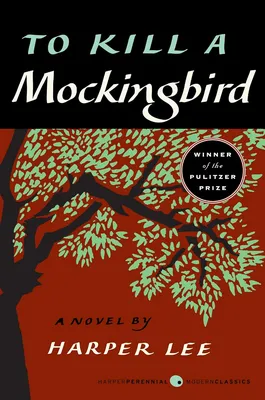
To Kill a Mockingbird
by Harper Lee
| Publisher | Harper Collins |
| Published | 2006-10-17 |
| Pages | 338 |
| ISBN | 9780061205699 |
| Categories | Fiction |
| Google Rating | 3.5/5 (5 ratings) |
What Readers Say
I notice readers return to this book across decades — people who first picked it up at ten years old and still count it among their favorites forty years later. There's something about Scout's voice that sticks, the way she reports the cruelty and kindness of Maycomb without fully understanding it herself, leaving you to feel the weight she can't yet name. Readers consistently mention the novel's central lesson about climbing into someone else's skin and walking around in it, and for many that idea genuinely reshaped how they move through the world.
The courtroom scenes get singled out as the emotional anchor, but I see just as many people moved by the smaller moments — Atticus sitting outside the jail with a lamp and a newspaper, Scout diffusing a mob by talking about a classmate's entailment. Readers say the book quietly rewires something in them about standing up for people who can't stand up for themselves. One reader put it plainly: it drove home the importance of seeing things from another person's point of view before judging, and even when they don't always succeed at doing that, the book made the attempt feel essential.
Some readers mention encountering it as assigned reading and finding it one of the only school books they genuinely loved. That forced introduction doesn't seem to dampen the book's impact — if anything, the re-reads deepen it. People who revisit it in adulthood talk about catching things they missed, about the prose feeling warmer and sharper than they remembered.
Who It's For
This is for readers who want moral clarity delivered through a child's unfiltered gaze rather than through philosophical argument. If you loved A Separate Peace for how it captures the moment innocence starts cracking, or if The Book Thief worked on you by locating decency in impossible circumstances, this operates in similar territory. I'd also point readers who connected with A Man Called Ove toward this one — both books understand that people carry invisible grief, and both argue for patience as a form of grace.
It's not for readers who need plot velocity or twist-driven narratives. Someone in the mentions dragged Where the Crawdads Sing for attempting a Mockingbird-style courtroom revelation and failing, which tells me this book's particular magic — the way the trial matters because of everything built around it, not because of a gotcha ending — is harder to replicate than it looks.
Reading Context
People frequently pair this with The Hobbit as the two books that made them lifelong readers, which feels right — both are about leaving the familiar and returning changed. It also gets grouped with Of Mice and Men, Flowers for Algernon, and A Tree Grows in Brooklyn as accessible classics for readers returning to books after a long absence. If you're working through a classics list, expect this to be one of the smoother reads alongside The Great Gatsby or Fahrenheit 451.
The 1962 film adaptation with Gregory Peck is beloved and I see it mentioned as a faithful companion, though readers tend to say the book earns its emotional weight through Scout's narration in ways the movie can't replicate. Before starting, know that the racial violence is present and unflinching, but filtered through a child's partial understanding — that filter is what makes the book work, and also what makes some readers need to sit with it afterward. One practical note: several readers mentioned this works well for read-aloud or book-club settings, including with groups where literacy levels vary, because the chapter-by-chapter structure and clear moral stakes keep people engaged.