Book recommendations, reviews, and reading lists.

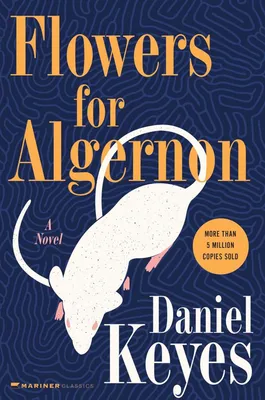
Flowers for Algernon
by Daniel Keyes
| Publisher | Houghton Mifflin Harcourt |
| Published | 2004 |
| Pages | 324 |
| ISBN | 9780156030083 |
| Categories | Fiction |
| Google Rating | 4.5/5 (12 ratings) |
What Readers Say
I've read through countless Reddit threads where this book comes up, and the message is unanimous: Flowers for Algernon is an emotional wrecking ball. Readers don't just cry—they report having to excuse themselves to airplane toilets to compose themselves, they see classrooms of fourteen-year-olds weeping silently, and they still tear up years later just thinking about that final line: "P.S. please if you get a chanse put some flowrs on Algernons grave in the bak yard." It's the kind of book that people say "wounded" them, exactly what Kafka meant when he talked about books that stab. The consensus is that this isn't just sad—it's transformative. It gets recommended over and over to new readers as a must-read, to people seeking something that will make them feel deeply, and to anyone looking for a short, powerful classic that "hits different than anything else you'll read."
What surprises people is how a book that technically counts as science fiction—a man's intelligence is artificially heightened, then fades—ends up being one of the most deeply human stories they've ever encountered. Readers consistently point out that the sci-fi premise is just a vehicle for exploring loneliness, self-awareness, and what it means to be treated as a full person. The progression of Charlie's writing, from misspelled progress reports to brilliant introspection and back again, is what makes it so gutting. A few readers mention the short-story version is excellent, but the novel-length expansion lets you sit with Charlie's ascent and decline in a way that feels almost unbearably intimate.
Who It's For
If you've ever finished Never Let Me Go or The Road and felt that hollow ache you couldn't shake, this is your next book. It lands with the same quiet devastation as those, and readers who list The Kite Runner or A Thousand Splendid Suns as life-changers often say this one did the same for them. It's also for anyone who appreciates classic dystopian or speculative fiction that's less about world-building and more about the inner world—fans of Brave New World or The Giver will find that same thread of tragedy running through. And despite its weight, it's consistently recommended to people just getting back into reading because the prose is direct and the emotional pull keeps you turning pages. One commenter called it "the first book anyone should read when they're just starting," and I think that's because it proves how much a short novel can do.
Reading Context
This book shows up on lists alongside The Book Thief, A Tree Grows in Brooklyn, and Stoner—stories that capture a full human life in miniature with heartbreaking clarity. While it's shelved as sci-fi, don't go in expecting anything like Project Hail Mary; the science is quiet and the real journey is internal. I'd note that it was originally a short story, and the expanded novel is the one most people mean when they rave about it, though both versions carry the same gut-punch ending. If you're reading it cold, just know it's the kind of book people finish in one sitting and then sit staring at a wall. No prior knowledge needed, but maybe keep some tissues nearby and don't plan anything too social right after.